fresh decoded.
Read, understand, choose

All guides

Practical guides to quality, taste, labels, and storage.

Explore by food topic

Latest guides

Shopping tips2 min read

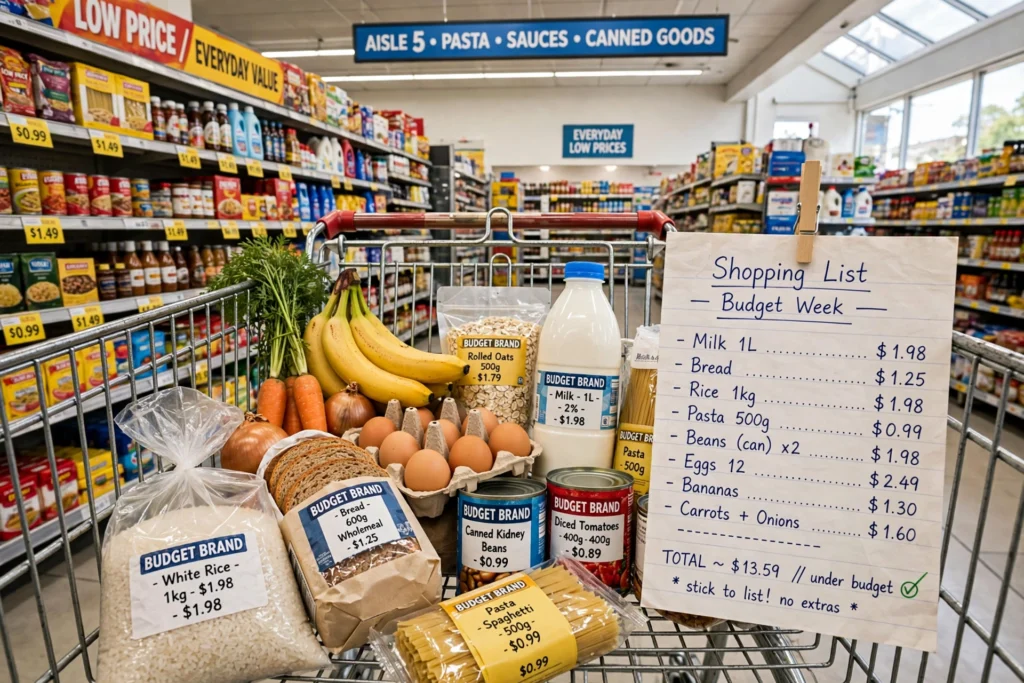
How to Save Money on Groceries: Planning and Smart Swaps

To save money on groceries, plan before you shop — a weekly meal plan and a list cut impulse buys, which are the biggest budget leak. Swap store brands for name brands on staples, compare unit prices instead of package prices, and treat food waste as money in the trash: the average household wastes a […]

Read the guide
Shopping tips2 min read

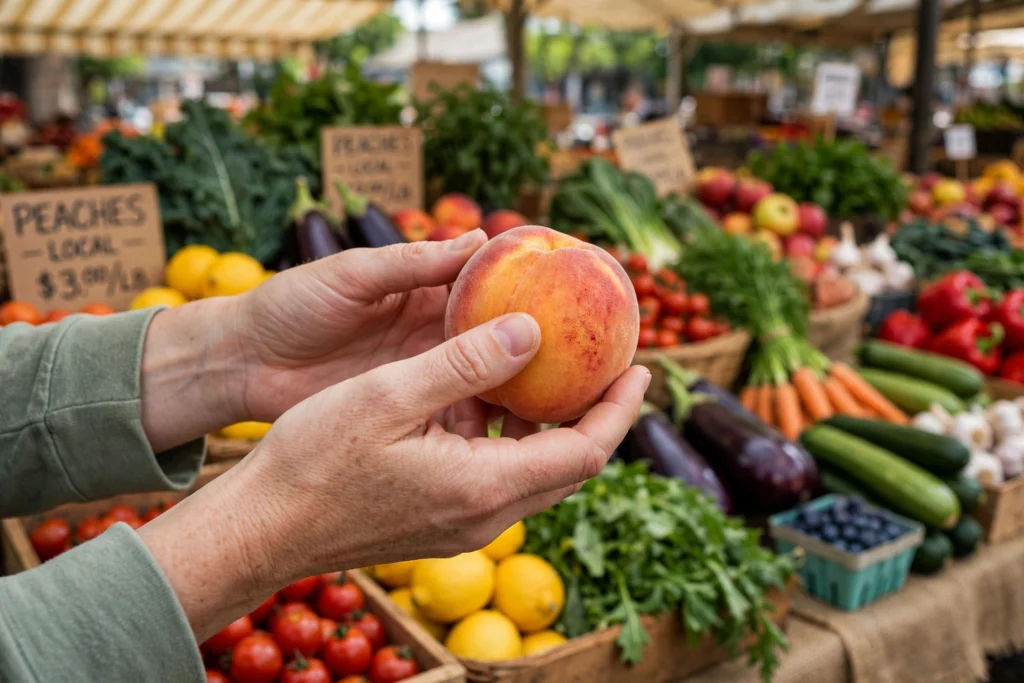
How to Spot Ripe Produce: Touch, Smell, and Sight

To spot ripe produce, use all three senses: look for full, even color; feel for gentle give without mushiness; and smell for the fruit’s characteristic aroma at the stem end. Most fruits ripen from the inside out, so color alone can mislead — the touch and smell tests are more reliable. Practice on one fruit […]

Read the guide
Grains & pantry2 min read

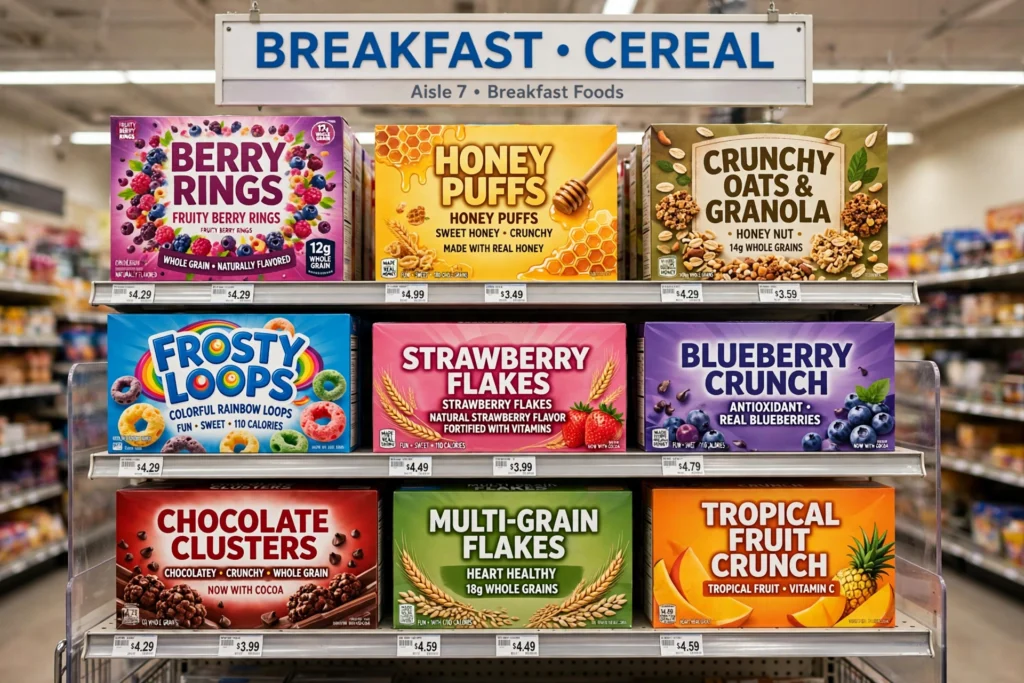
How to Choose Cereal: Labels, Sugar, and Whole Grains

To choose better cereal, flip the box and read the nutrition panel first — compare sugar per serving across brands, not the front-of-box claims. Whole grain should be the first ingredient, and fiber of at least 3 grams per serving is a good sign. Serving sizes are often smaller than what people pour, so scale […]

Read the guide
Grains & pantry2 min read

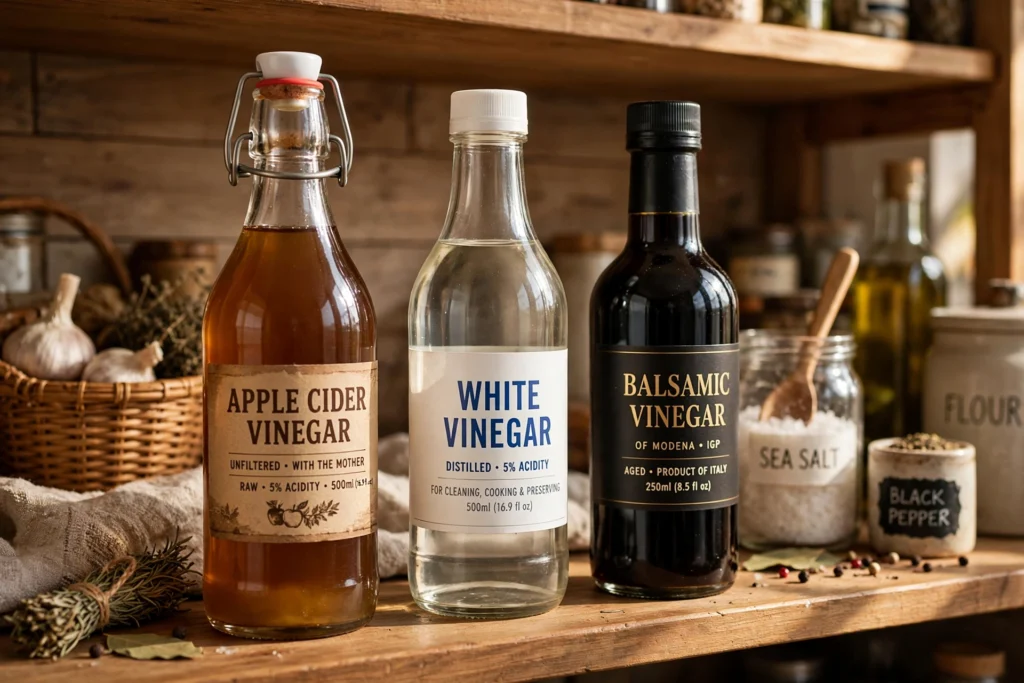
How to Choose Vinegar: Types, Labels, and Quality

To choose good vinegar, match the type to the job — distilled white for cleaning and pickling, apple cider and wine vinegars for dressings, balsamic for finishing. Check the acidity percentage on the label (usually 5% for table vinegar) and look for clear, honest ingredient lists. Good vinegar smells bright and clean; dull or musty […]

Read the guide
Grains & pantry2 min read

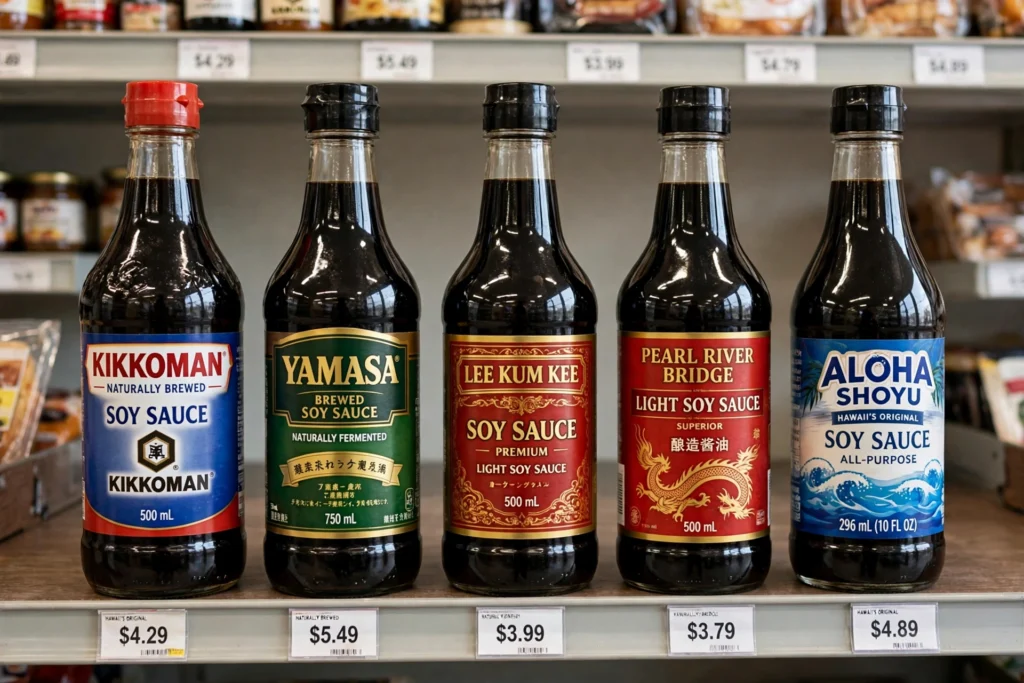
How to Choose Soy Sauce: Labels and Ingredients

To choose good soy sauce, look for “naturally brewed” or “traditionally brewed” on the label — it means real fermentation, not quick chemical hydrolysis. The ingredient list should be short: soybeans, wheat, salt, and water. Dark, rich color and a complex savory aroma signal quality; harsh saltiness with little depth suggests a cheaper quick-brewed product. […]

Read the guide
Grains & pantry2 min read

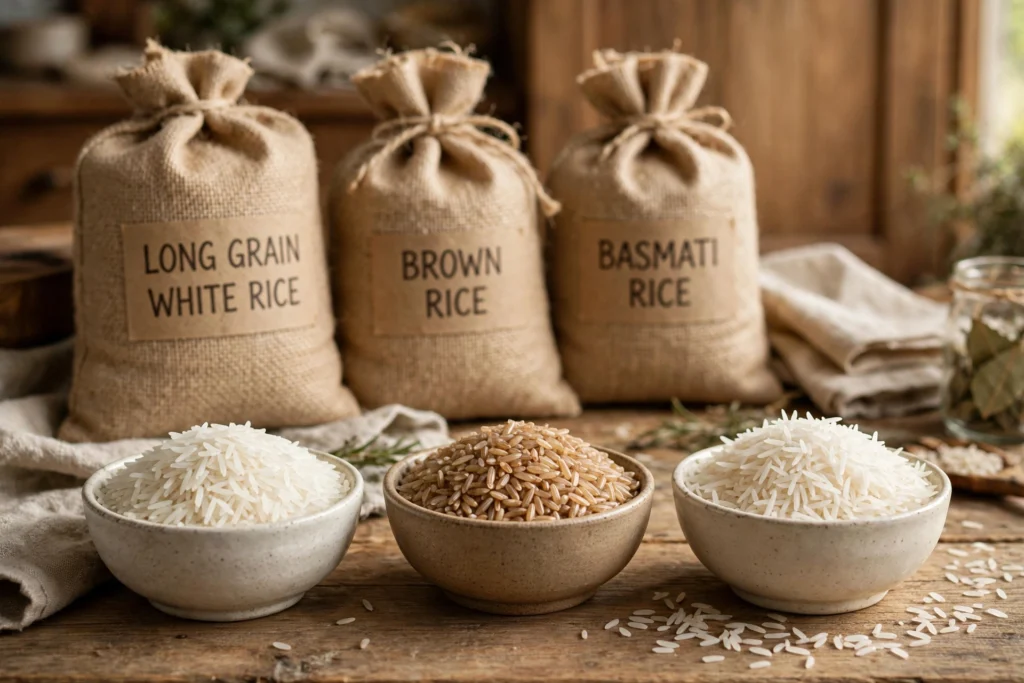
How to Choose Rice: Types, Labels, and Freshness

To choose good rice, match the grain to the dish — long-grain for fluffy pilafs, medium-grain for everyday bowls, short-grain for sticky sushi and risotto. Check the bag for intact packaging, clear variety labeling, and no dust, broken grains, or off smells. White rice keeps for years; brown rice has a shorter pantry life because […]

Read the guide
Dairy & eggs2 min read

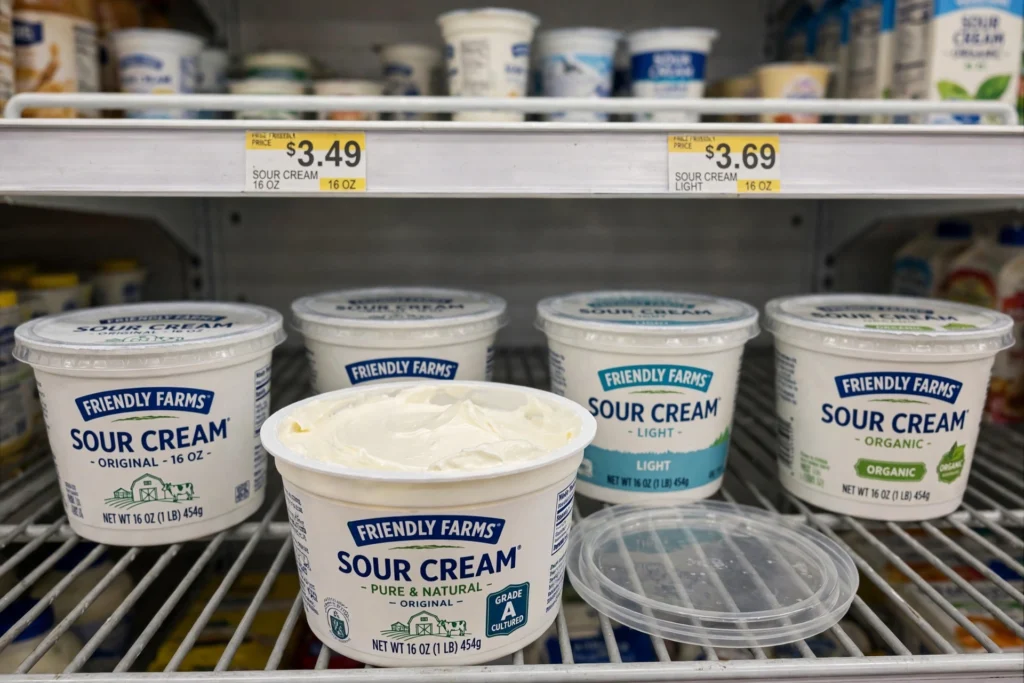
How to Choose Sour Cream: Labels and Freshness

To choose good sour cream, read the ingredient list first — the best versions list just cream, cultures, and maybe enzymes. Pick the latest date in the case, and check the container is sealed, undamaged, and well chilled. When opened, good sour cream looks smooth and thick, with a clean tangy smell. AI-generated image • […]

Read the guide
Dairy & eggs2 min read

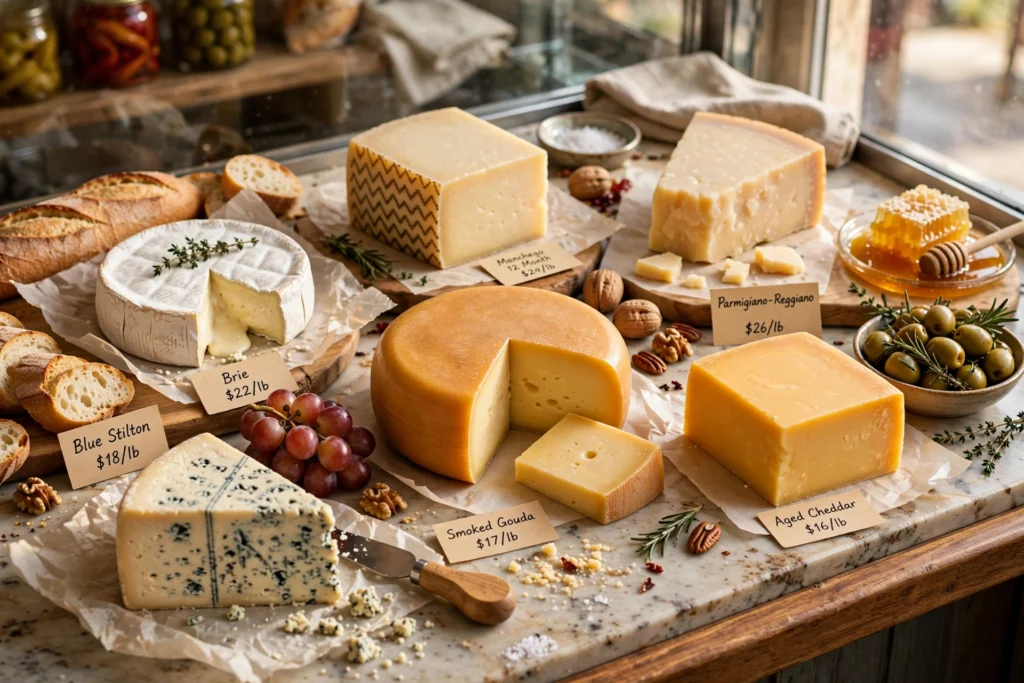
How to Choose Cheese: Labels, Texture, and Freshness

To choose good cheese, match the type to your use — fresh cheeses for spreading, aged cheeses for grating and flavor. Check the date, look at the texture through the package, and give it a sniff if the counter allows: good cheese smells clean and characteristic, never sour or ammoniated. Buy from cases that are […]

Read the guide
Dairy & eggs3 min read

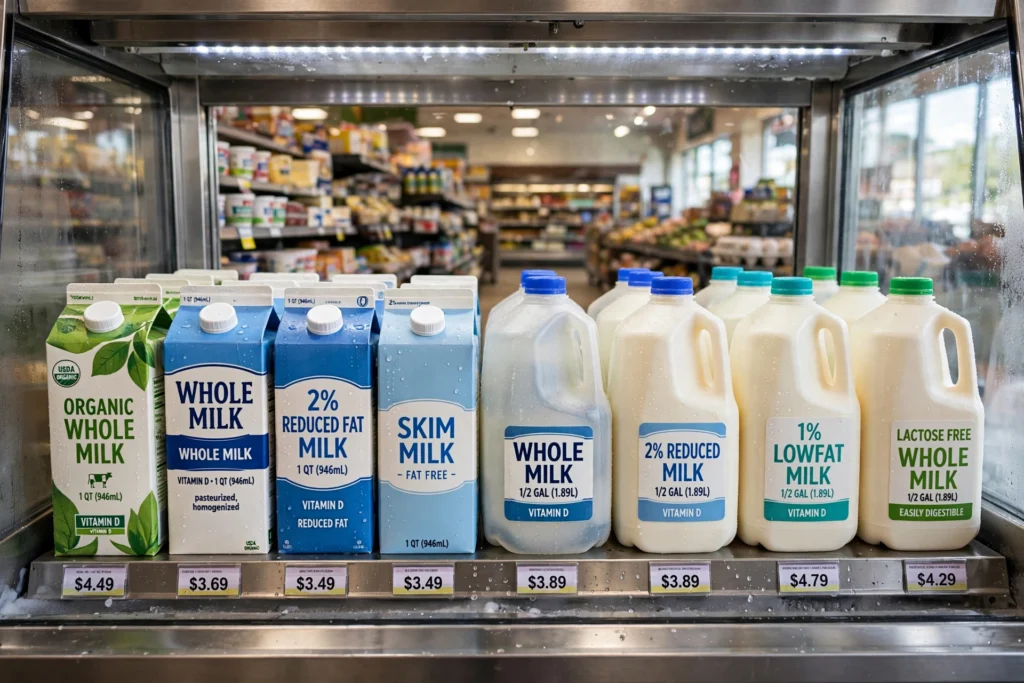
How to Choose Milk: Labels, Dates, and Types

To choose good milk, start with the date — pick the carton or jug with the latest sell-by date and check it is cold all the way through the store’s case. Whole, reduced-fat, and skim differ mainly in fat content and calories, not in basic quality, so pick by taste and nutrition goals. Give the […]

Read the guide
Fish & seafood2 min read

How to Choose Fresh Octopus: Color, Smell, and Texture

To choose fresh octopus, look for natural reddish-brown to purplish-gray skin with a moist sheen — the color should look alive, not faded or blotchy. It should smell clean like the sea, never fishy or sour. The flesh should feel firm and springy, and the suckers on the arms should look intact and well-defined. Buy […]

Read the guide
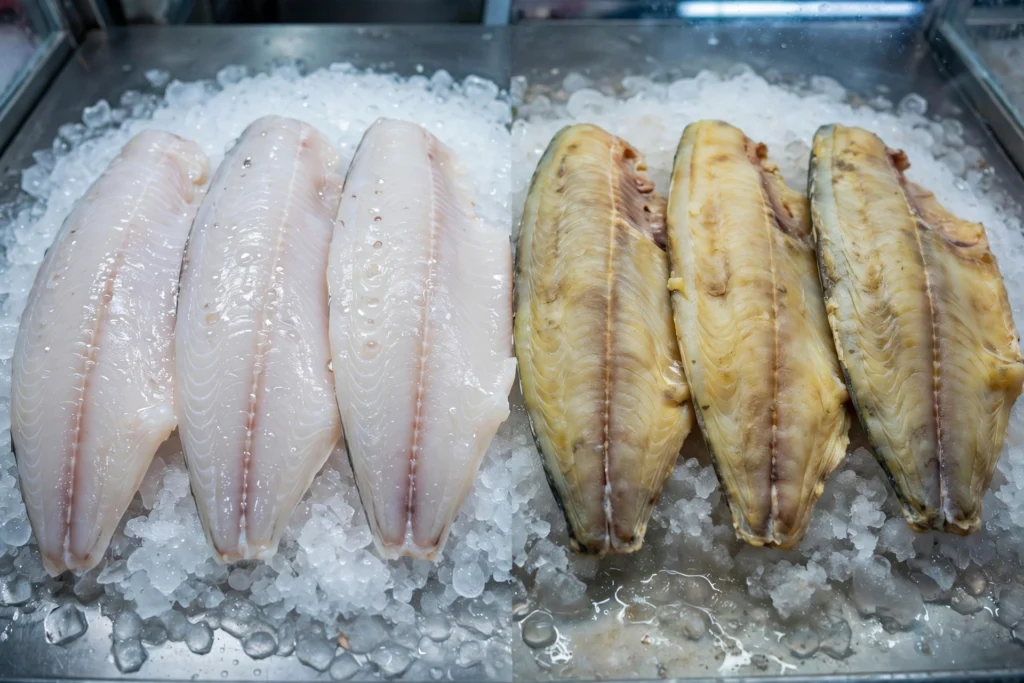
AI-generated illustration of tilapia fillets with contrasting surface appearances on ice; appearance cannot confirm safety
Fish & seafood3 min read

How to Choose Fresh Tilapia: Color, Smell, and Fillets

For tilapia fillets, check refrigeration, the package, and the product's handling instructions before judging color. Look for intact fillets without dried edges, but do not treat a pearly color or mild smell as proof of safety. FDA explicitly warns that fish color alone does not establish freshness.

Read the guide
Fish & seafood2 min read

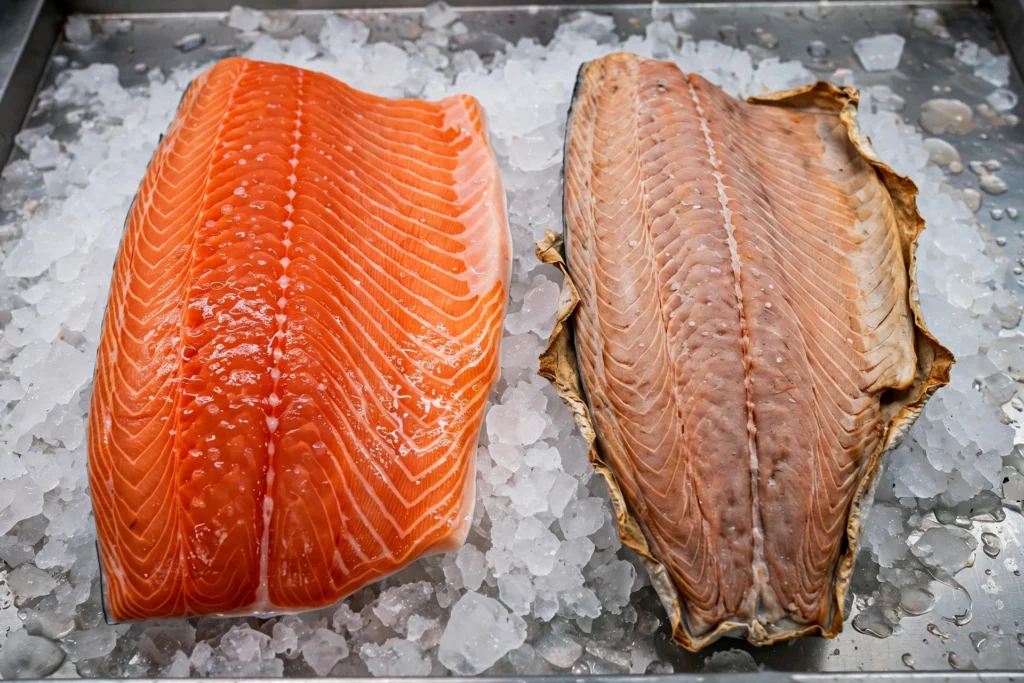
How to Choose Fresh Salmon: Color, Smell, and Firmness

To choose fresh salmon, look for vibrant, even color — rich orange-red for most varieties — with visible white marbling lines and a moist, almost glossy surface. It should smell clean like the ocean, never fishy or sour. Press the flesh gently: it should feel firm and spring back, not stay dented. For whole fish, […]

Read the guide
1 … 10 11 12 13 14 … 22
🌐 Language
Read in your language Open Google translation ↗ Opens this public page in Google Translate. Automatic translations may contain errors. Google processes the page URL and translation requests. Privacy & cookies