fresh decoded.
Read, understand, choose

All guides

Practical guides to quality, taste, labels, and storage.

Explore by food topic

Latest guides

Meat & fresh food2 min read

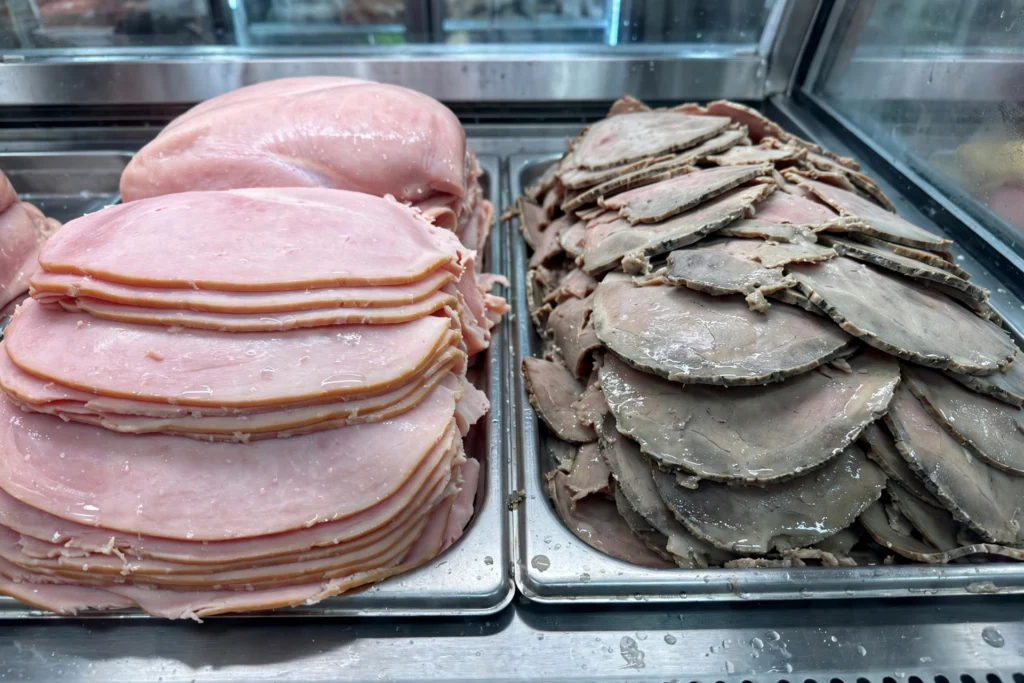
How to Choose Deli Meat: Labels, Freshness, and Storage

To choose good deli meat, decide between deli-counter (sliced fresh, shorter life) and pre-packaged (longer dated, sealed). Read the label for sodium per serving and the ingredient list — shorter is generally better. The slices should look moist and fresh-colored, never slimy, dried out, or iridescent with an off smell. Buy only what you will […]

Read the guide
Meat & fresh food2 min read

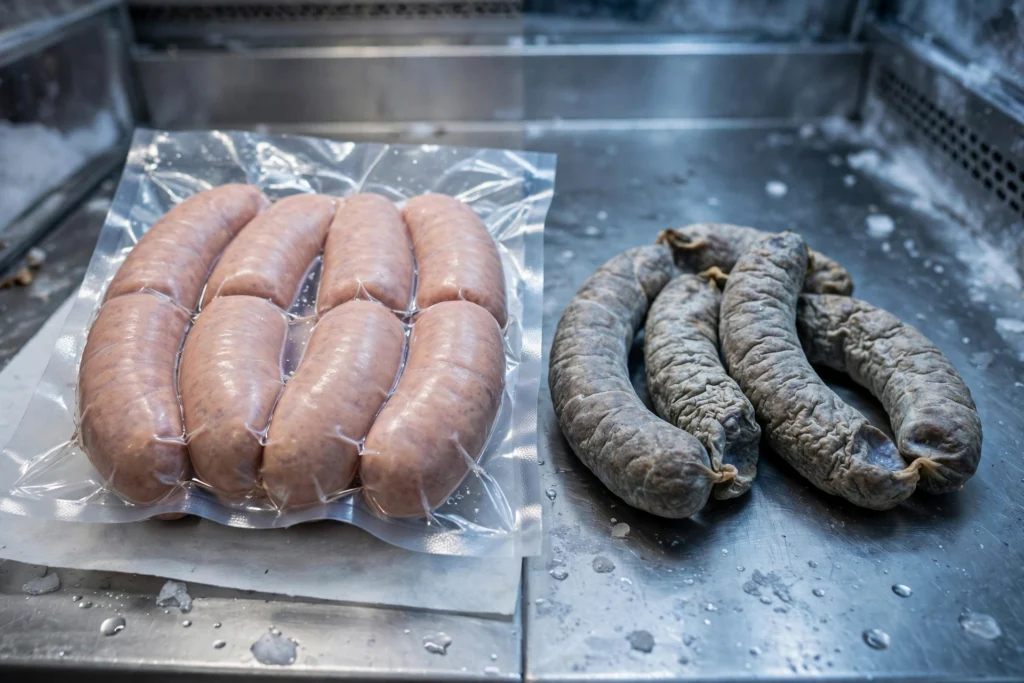
How to Choose Sausages: Labels, Ingredients, and Freshness

To choose good sausages, read the ingredient list first — the best ones lead with meat and list short, recognizable ingredients. Check whether they are fresh (raw, needs cooking) or pre-cooked, since that changes everything about handling and storage. The links should look plump and evenly filled with no air pockets, and the package should […]

Read the guide
Meat & fresh food2 min read

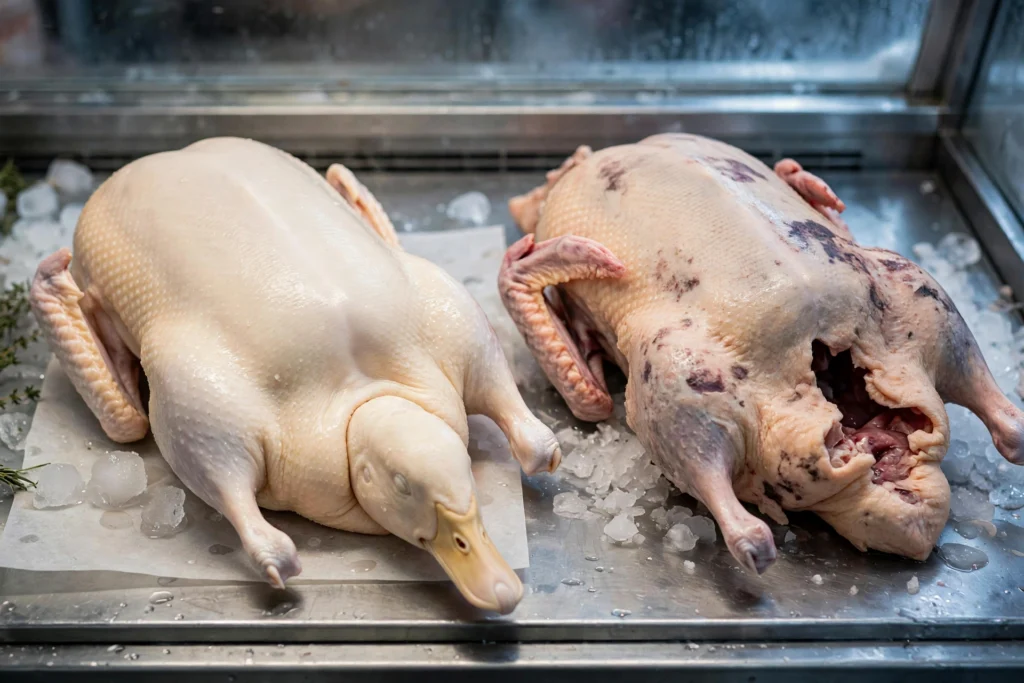
How to Choose Duck: Skin, Weight, and Freshness

To choose a good duck, look for smooth, intact, pale skin with no tears, bruises, or dark patches — the skin should look creamy, not blotchy. The bird should feel heavy for its size with a plump breast, and smell clean and mild, never sour or gamey-strong. Check the label for the weight and whether […]

Read the guide
Meat & fresh food2 min read

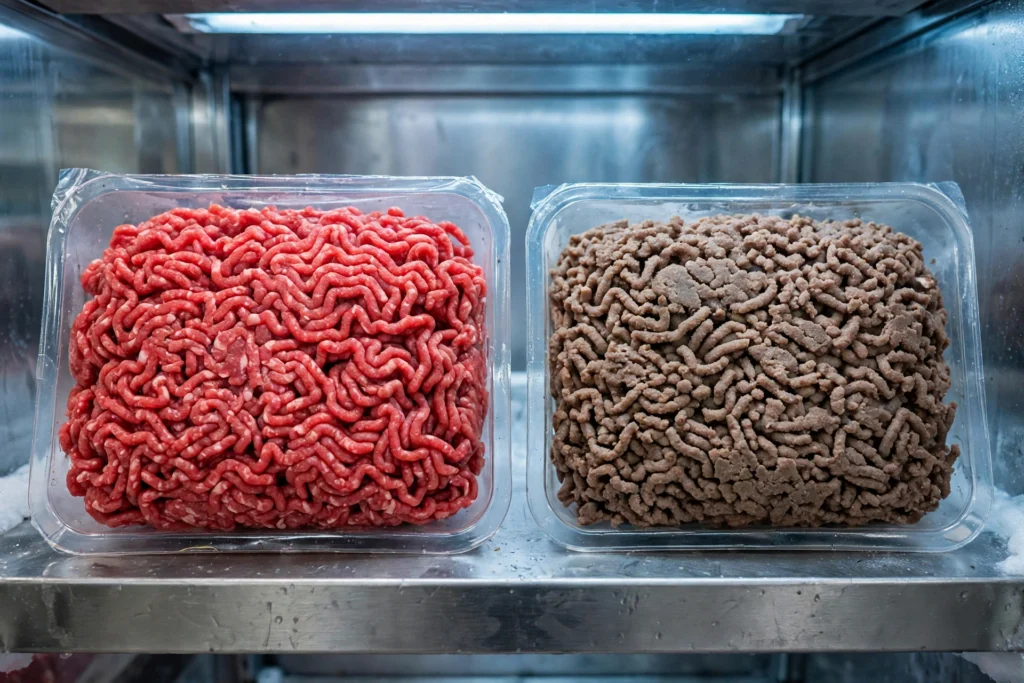
How to Choose Ground Beef: Color, Fat Ratio, and Freshness

To choose good ground beef, look for a bright cherry-red color on the surface with no gray or brown patches, and check the sell-by date — buy the freshest-dated package. Pick the fat ratio for your cooking: 80/20 for juicy burgers, 90/10 or leaner for crumbly dishes where you drain the fat. The package should […]

Read the guide
Vegetables2 min read

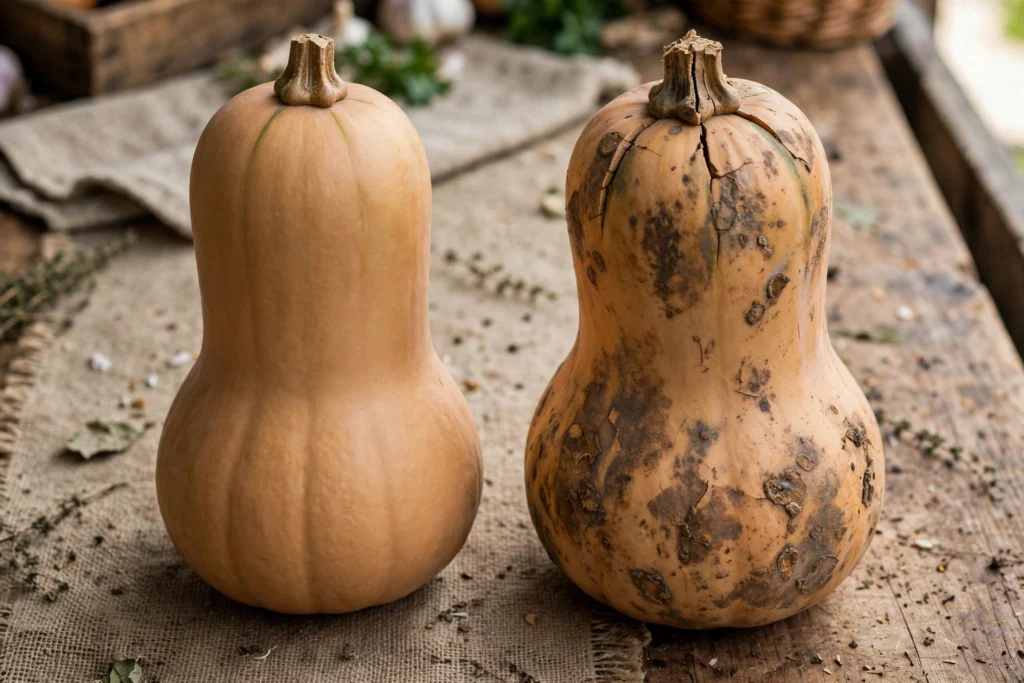
How to Choose Butternut Squash: Weight, Skin, and Stem

To choose a good butternut squash, pick one that feels heavy for its size with smooth, matte tan skin and no soft spots or cracks. The stem should be intact, dry, and firmly attached — a missing or moldy stem means the squash may be drying out or decaying inside. A deep, even tan color […]

Read the guide
Vegetables2 min read

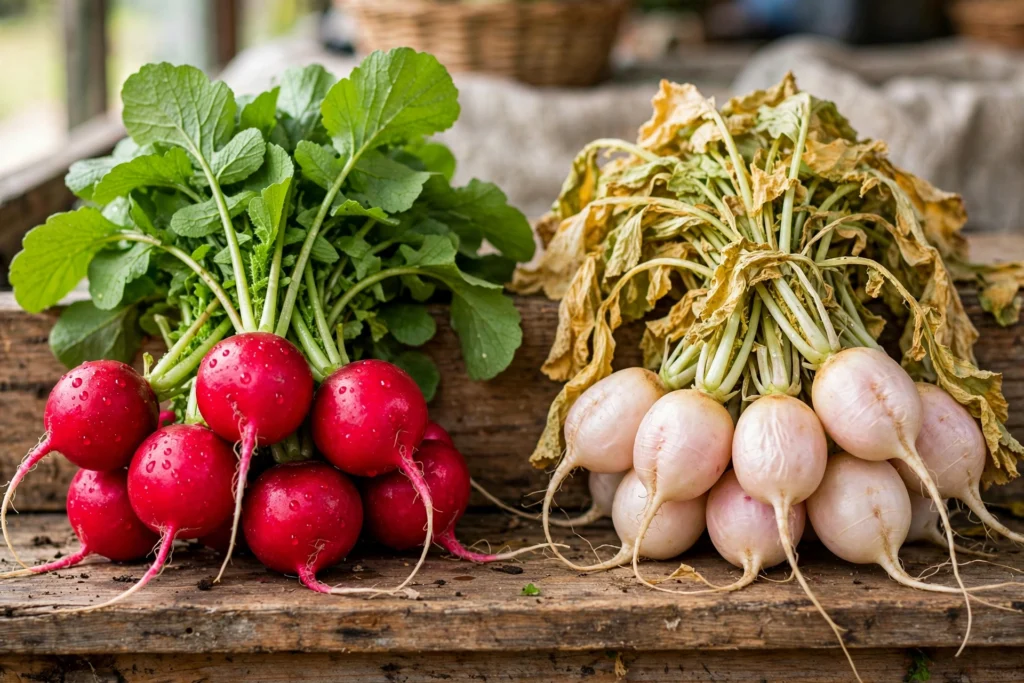
How to Choose Fresh Radishes: Firmness, Color, and Greens

To choose fresh radishes, pick roots that feel firm and heavy with smooth, bright skin — red radishes should look vivid red, not dull or pale. The greens on top are a freshness calendar: crisp and green means recent harvest, while wilted or yellowing tops mean the roots have been sitting. Squeeze gently; any give […]

Read the guide
Vegetables2 min read

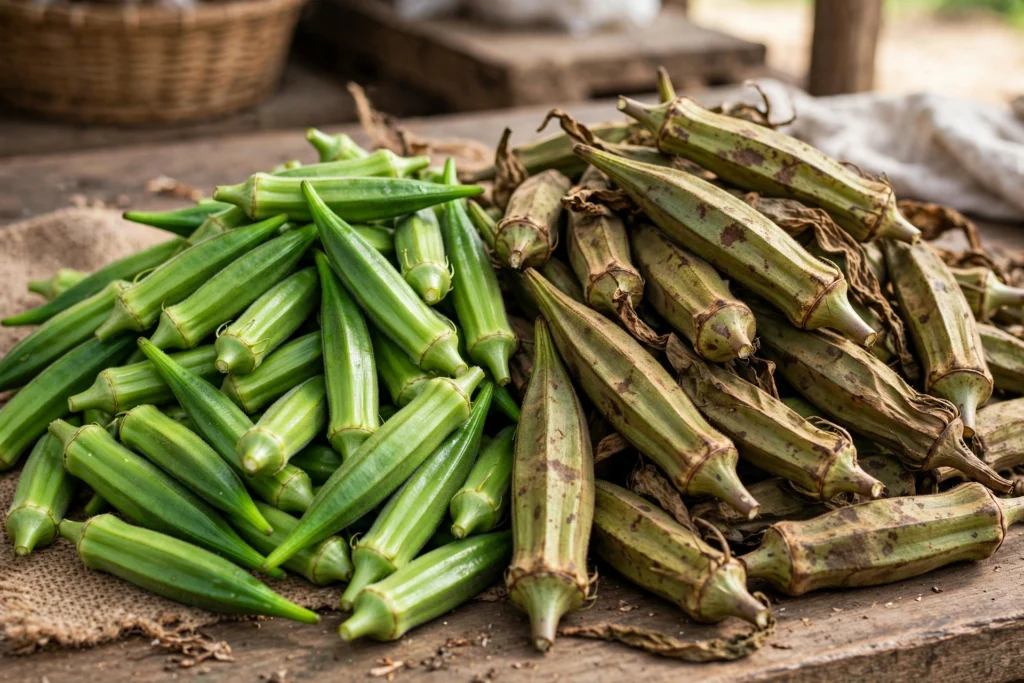
How to Choose Fresh Okra: Size, Firmness, and Color

To choose fresh okra, pick small to medium pods — two to four inches — that snap cleanly when bent and feel firm and dry. The pods should look bright green with no brown spots or soft tips. Large, fibrous pods are tough and woody no matter how you cook them, so size matters more […]

Read the guide
Vegetables2 min read

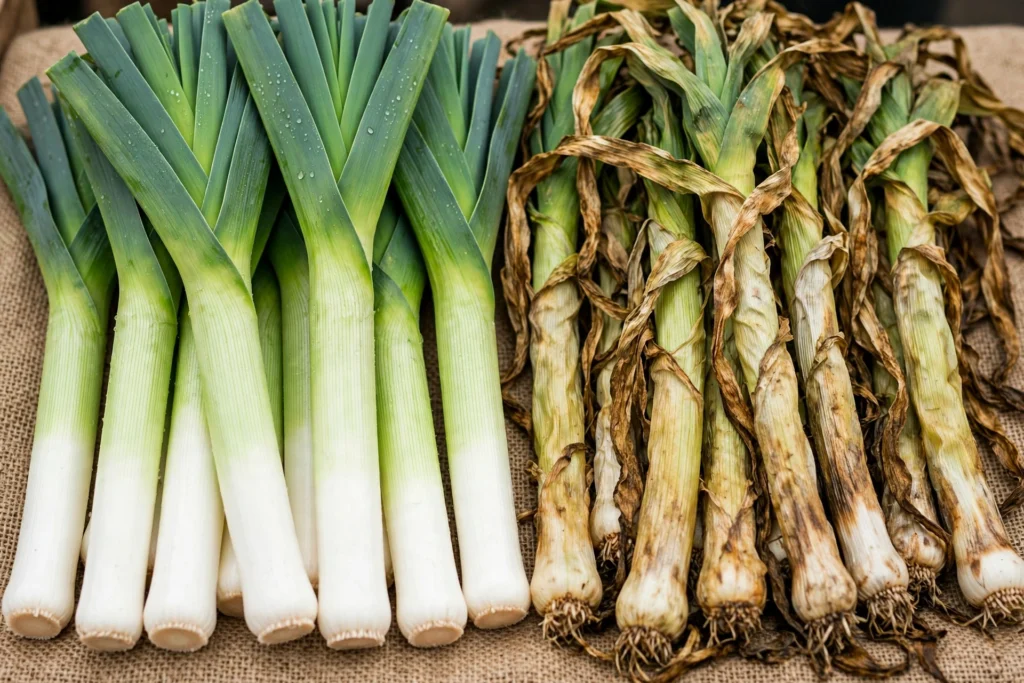
How to Choose Leeks: Firmness, Color, and Size

To choose good leeks, pick firm, straight stalks with a clean white-to-green gradient — the white base should look fresh, not yellowed or slimy. The green tops should stand upright and look vibrant, not wilted or dried. Medium-sized leeks are the sweet spot: pencil-thin ones lack flavor, and giant ones can be tough. AI-generated image […]

Read the guide
Vegetables2 min read

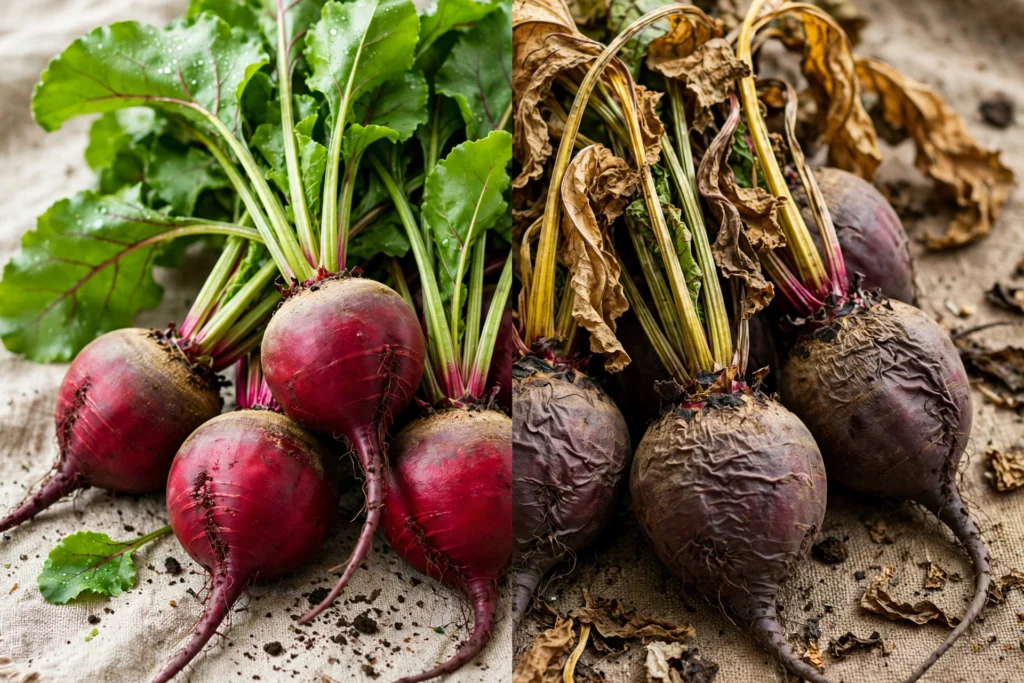
How to Choose Fresh Beets: Firmness, Skin, and Greens

To choose fresh beets, pick small to medium roots that feel firm and heavy with smooth, unbroken skin. The best bonus: fresh, vibrant greens still attached — they are the clearest freshness signal. Avoid soft, wrinkled beets, cracked skins, or wilted, yellowing tops. AI-generated image • Not a tested sample. Appearance cannot confirm safety. Prefer […]

Read the guide
Vegetables2 min read

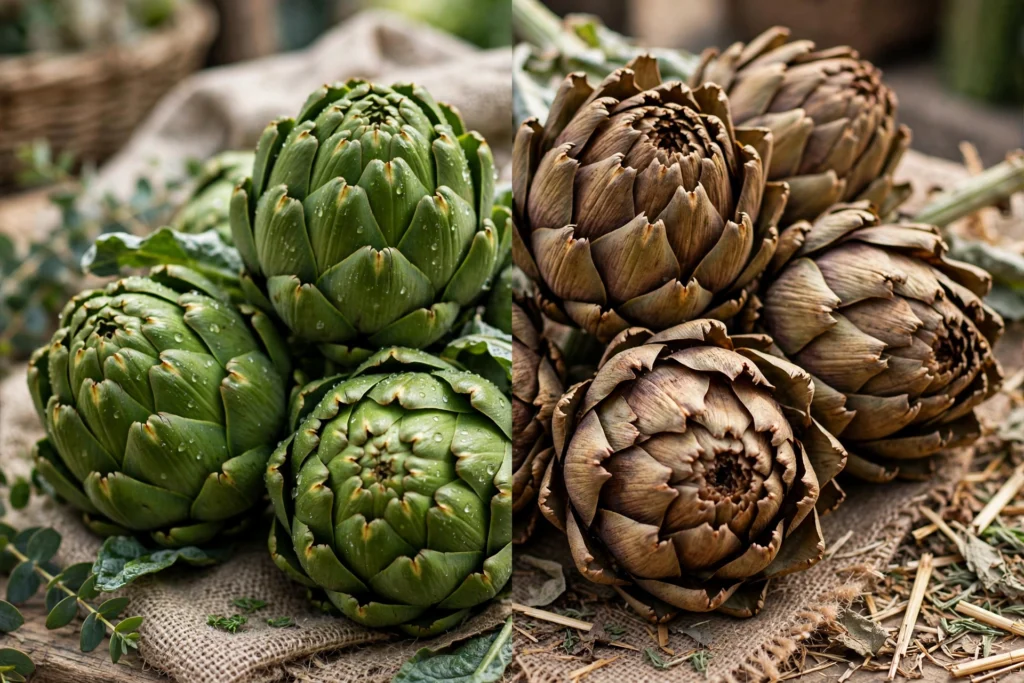
How to Choose Fresh Artichokes: Weight, Leaves, and Squeak

To choose fresh artichokes, pick ones that feel heavy for their size with tightly closed, squeaky leaves — squeeze one gently; fresh leaves squeak against each other. The color should be deep green with maybe a little purple blush. Avoid artichokes with spreading leaves, brown dry edges, or light, hollow-feeling heads. AI-generated image • Not […]

Read the guide
Vegetables2 min read

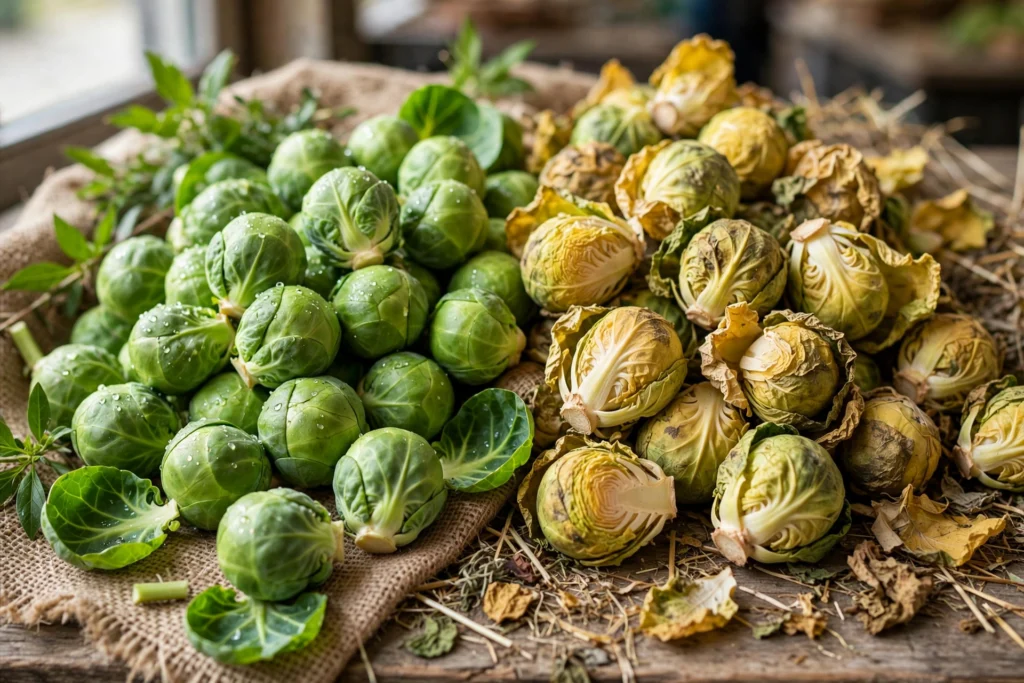
How to Choose Brussels Sprouts: Tightness, Color, and Size

To choose good Brussels sprouts, pick small, firm heads with tightly packed leaves and bright green color. They should feel dense and heavy, with fresh-looking stem ends. Avoid yellowing outer leaves, loose puffy heads, or any with black spots and soft patches. AI-generated image • Not a tested sample. Appearance cannot confirm safety. Prefer Small, […]

Read the guide
Vegetables2 min read

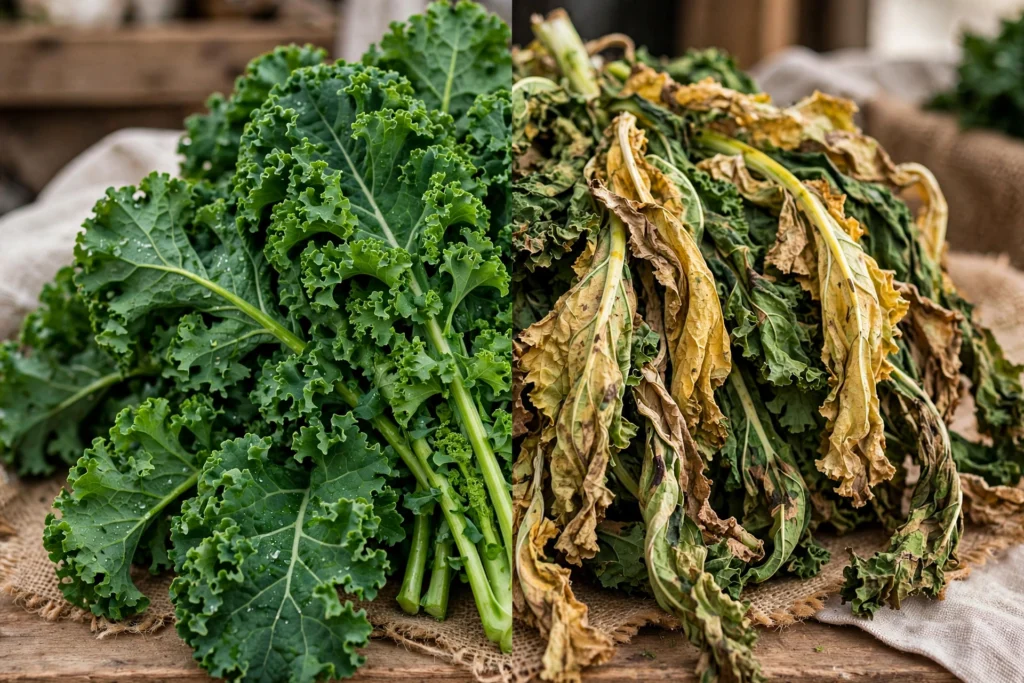
How to Choose Fresh Kale: Color, Leaves, and Stems

To choose fresh kale, look for deep green, sturdy leaves with no yellowing, wilting, or brown edges. The leaves should feel crisp and firm, not limp or rubbery, and the stems should look moist and freshly cut. Smaller leaves tend to be more tender; huge, thick leaves can be tough. AI-generated image • Not a […]

Read the guide
1 … 11 12 13 14 15 … 22
🌐 Language
Read in your language Open Google translation ↗ Opens this public page in Google Translate. Automatic translations may contain errors. Google processes the page URL and translation requests. Privacy & cookies