fresh decoded.
Read, understand, choose

All guides

Practical guides to quality, taste, labels, and storage.

Explore by food topic

Latest guides

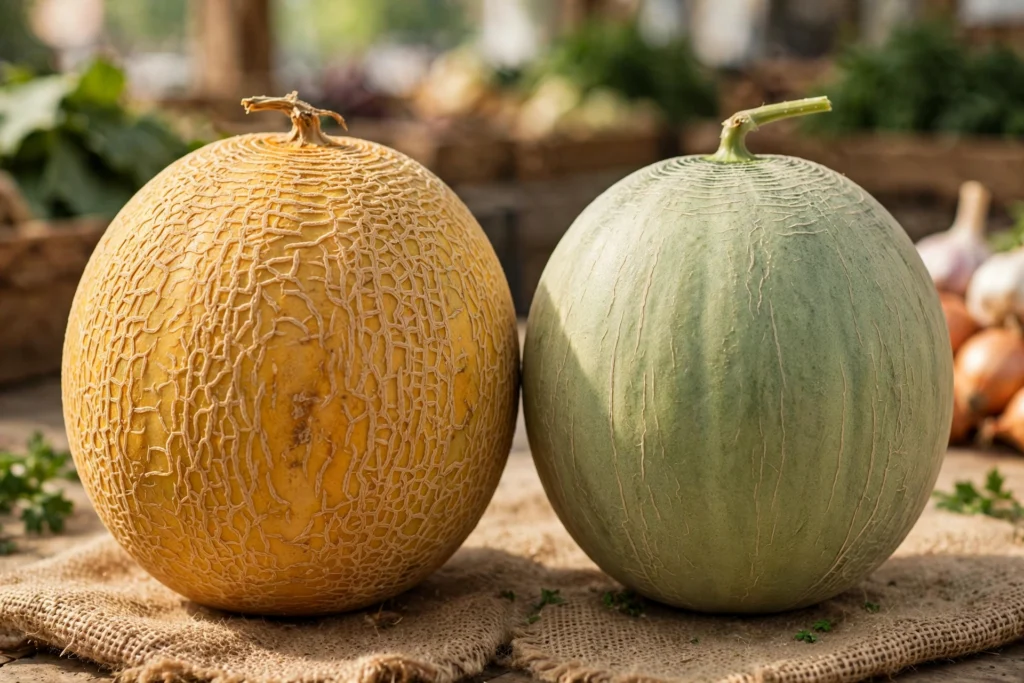
AI-generated illustration of a ripe cantaloupe on the left and an unripe green-skinned cantaloupe on the right
Fruit2 min read

How to Choose a Ripe Cantaloupe: Netting, Weight, and Smell

To choose a ripe cantaloupe, look for thick, even netting over the rind with golden-tan skin showing between the lines — green skin means unripe. The melon should feel heavy for its size, and the stem end should smell sweet and musky when sniffed. Avoid melons with soft spots, cracks, or no smell at all. […]

Read the guide
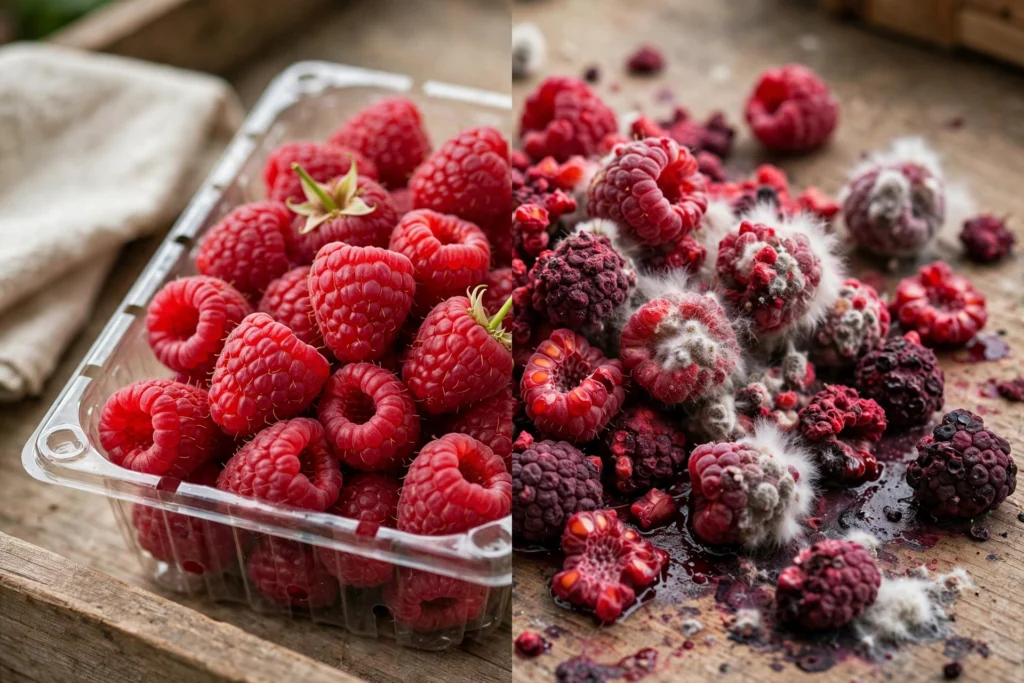
AI-generated illustration of fresh raspberries on the left and moldy, crushed raspberries on the right
Fruit2 min read

How to Choose Fresh Raspberries: Color, Firmness, and Mold

To choose fresh raspberries, look for deep, even color and plump, dry berries that hold their shape. Check the bottom of the container for crushed berries, juice stains, or mold — the clearest signs of a bad batch. The berries should smell sweet and fresh, never fermented. AI-generated image • Not a tested sample. Appearance […]

Read the guide
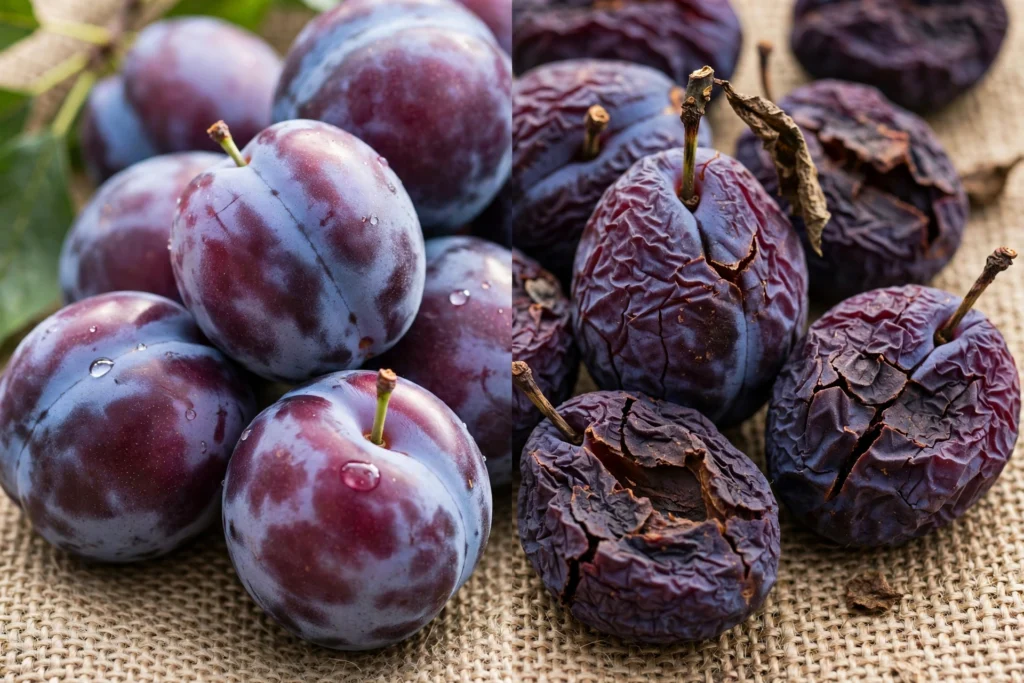
AI-generated illustration of ripe plums on the left and shriveled, damaged plums on the right
Fruit2 min read

How to Choose Ripe Plums: Color, Give, and Bloom

To choose ripe plums, look for even, deep color for the variety and skin with a soft whitish “bloom” — that powdery coating is natural and a good sign. The plum should yield gently to palm pressure, not feel rock-hard or mushy. Avoid plums with shriveled skin, cracks, or fermented smells. AI-generated image • Not […]

Read the guide
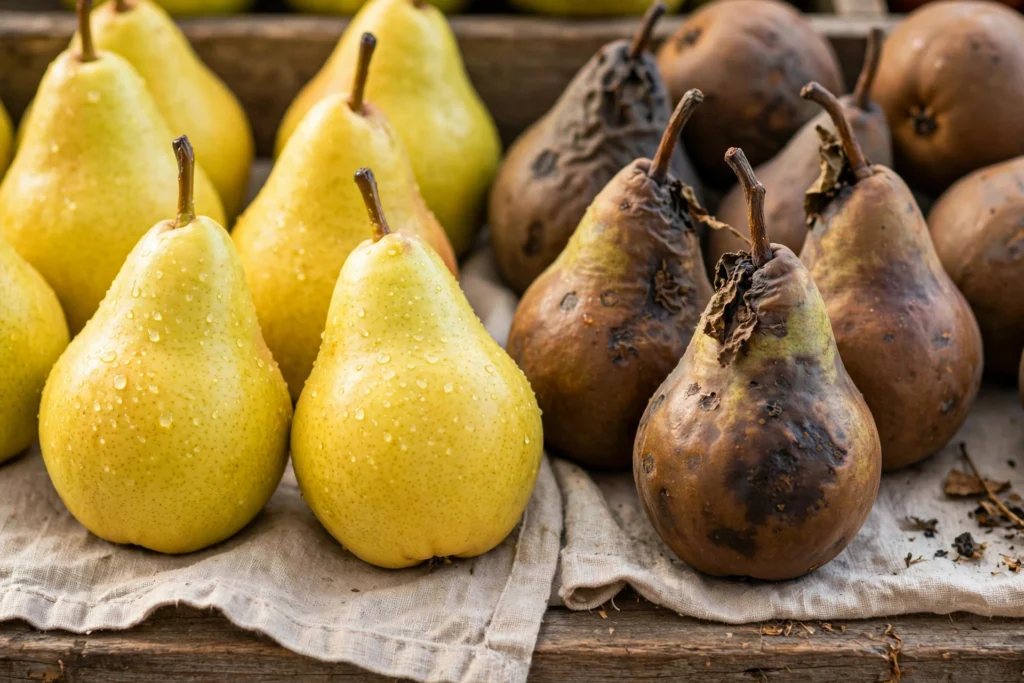
AI-generated illustration of ripe pears on the left and bruised, overripe pears on the right
Fruit2 min read

How to Choose Ripe Pears: Neck, Skin, and Smell

To choose ripe pears, gently press near the neck (the narrow top) — it should give slightly when the pear is ready to eat. The skin should look smooth and unblemished, and a ripe pear smells sweetly fragrant at the stem end. Pears ripen from the inside out, so buy firm ones and ripen them […]

Read the guide
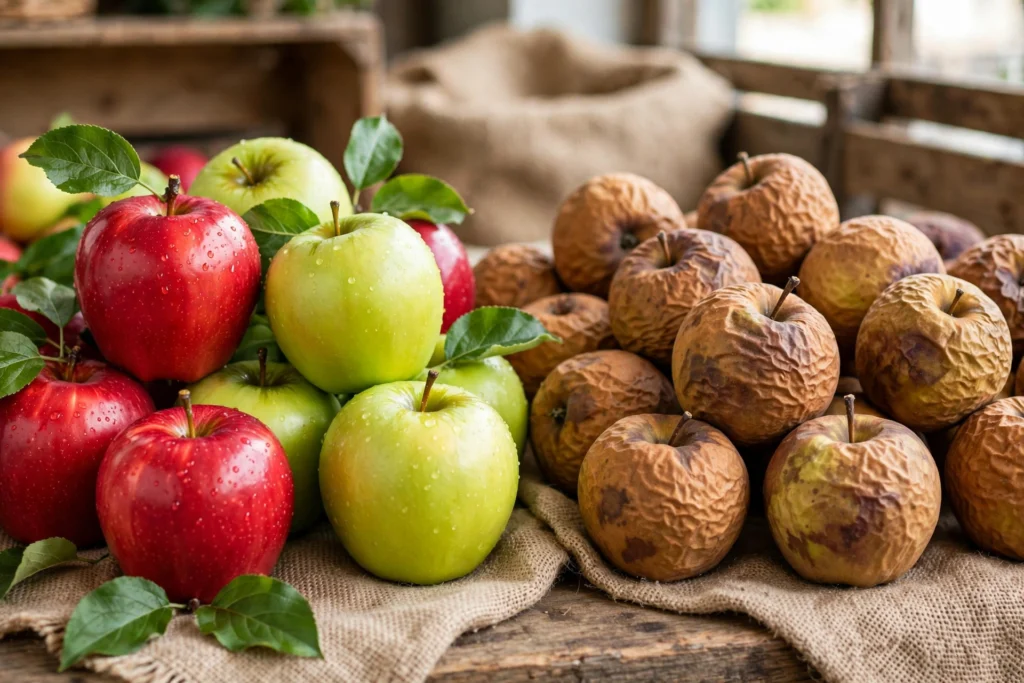
AI-generated illustration of crisp fresh apples on the left and bruised, soft apples on the right
Fruit2 min read

How to Choose Apples: Color, Firmness, and Smell

To choose crisp apples, pick ones that feel firm and heavy with no soft spots — press gently; the flesh should not give. Look for vibrant, even color for the variety, and give the apple a sniff near the stem: fresh apples smell sweet and clean. Avoid apples with wrinkled skin, bruises, or a fermented […]

Read the guide
Storage2 min read

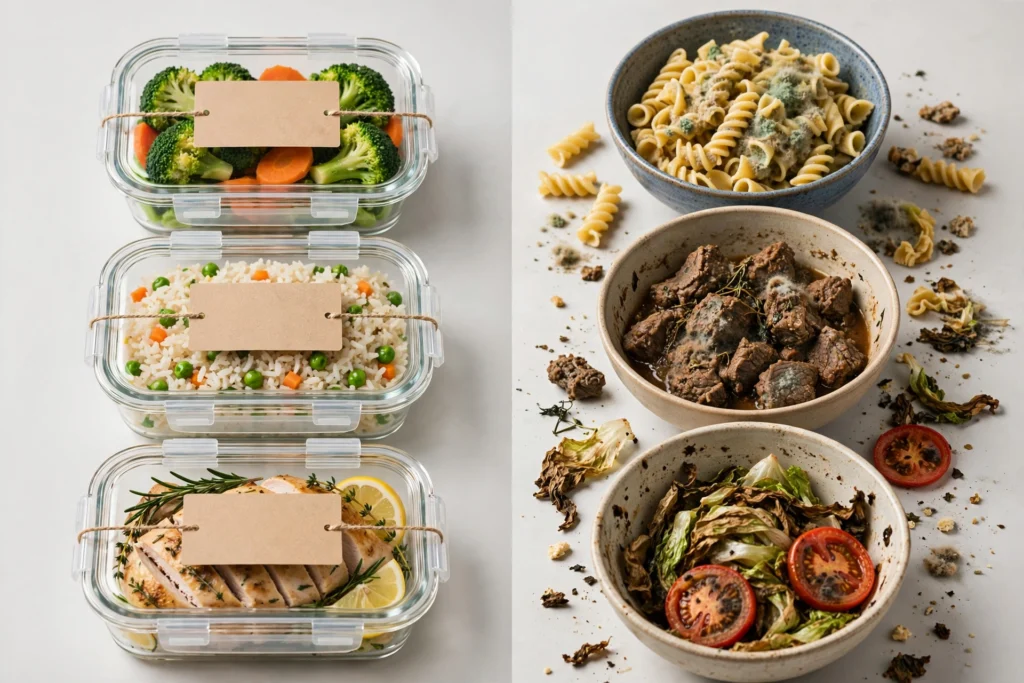
How to Store Leftovers Safely: Cooling, Containers, and Timing

To store leftovers safely, cool them quickly — get food into the refrigerator within two hours of cooking (one hour if it is hot out). Use shallow, airtight containers so food chills fast and evenly. Eat refrigerated leftovers within three to four days, and reheat them to 165°F (74°C), measured with a food thermometer. AI-generated […]

Read the guide
Shopping tips2 min read

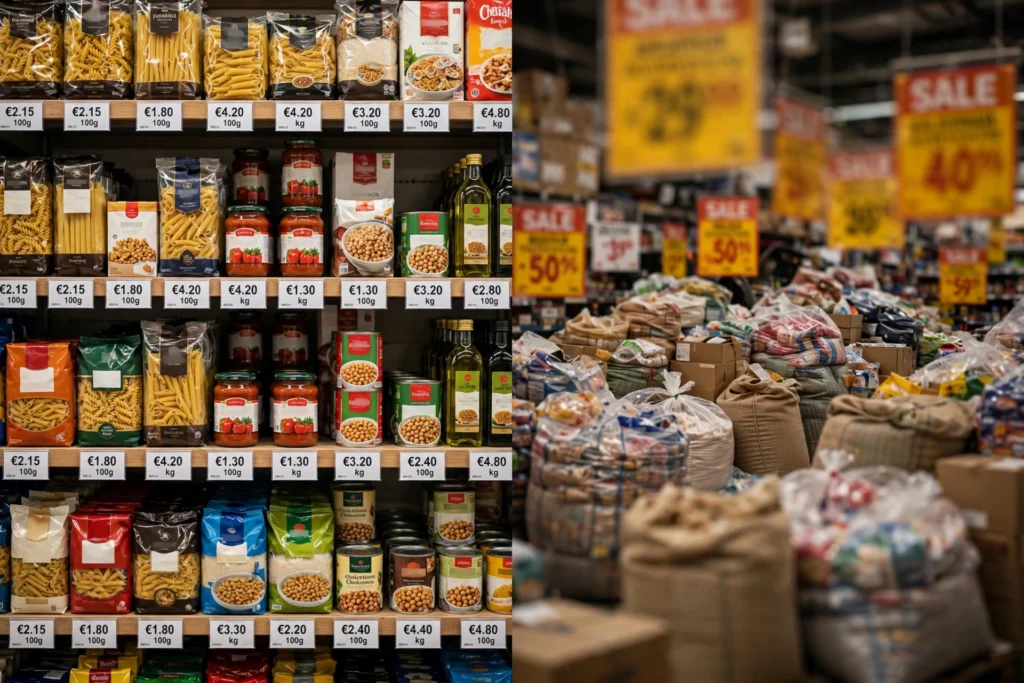
How to Compare Unit Prices: Smarter Grocery Math

To compare unit prices, look at the small print on shelf tags — the price per ounce, per pound, or per 100 count — not the big package price. The biggest box is not always the cheapest per unit, and sale tags can hide worse unit prices than regular items. A phone calculator and thirty […]

Read the guide
Shopping tips2 min read

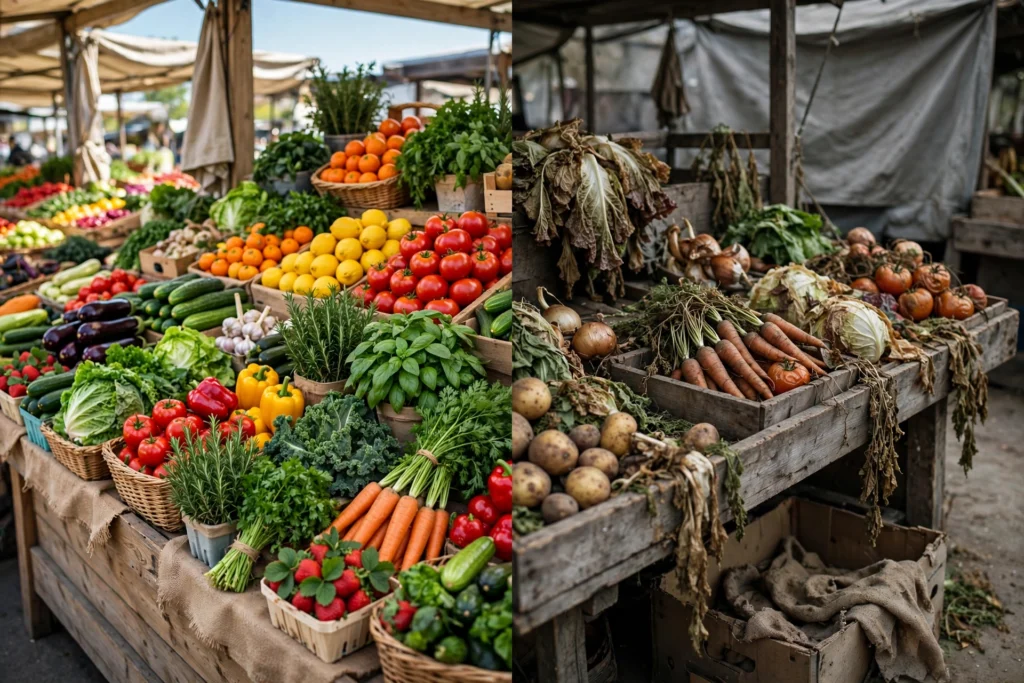
How to Shop at Farmers Markets: Freshness and Value

To shop farmers markets well, arrive with a plan but shop the seasons — buy what is abundant, because abundance means peak flavor and fair prices. Ask growers how to pick and store what they sell; their advice beats any label. Bring cash, reusable bags, and go early for the best selection (or late for […]

Read the guide
Grains & pantry2 min read

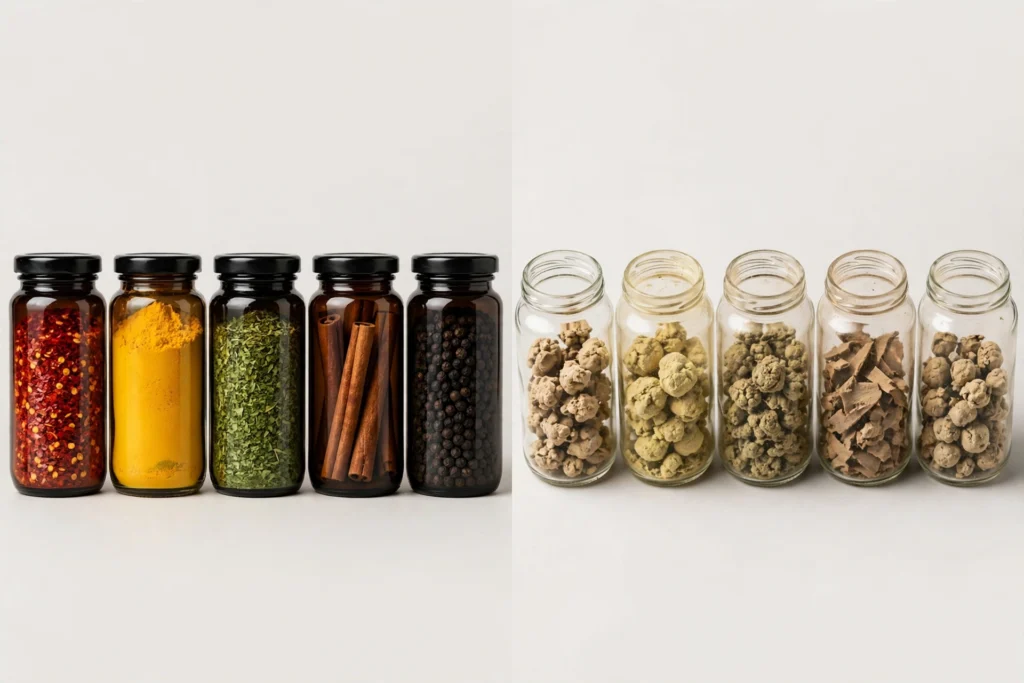
How to Store Spices: Light, Heat, and Freshness

To keep spices potent, store them in a cool, dark place in airtight containers — not above the stove, where heat and steam kill flavor fast. Whole spices last far longer than ground: whole peppercorns and cinnamon sticks keep for years, while ground spices fade in months. Test freshness by smell — if you have […]

Read the guide
Grains & pantry2 min read

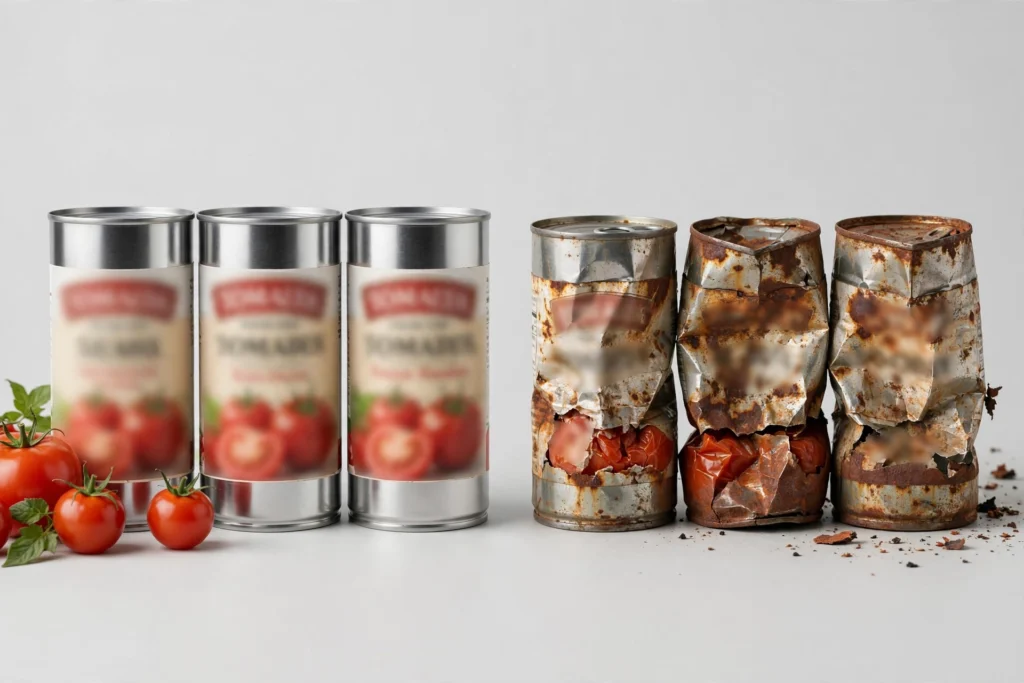
How to Choose Canned Tomatoes: Labels and Types

To choose good canned tomatoes, start with the type: whole peeled tomatoes are the most versatile and usually the best quality, since producers pack their best fruit whole. Read the ingredient list — tomatoes, juice, salt, and maybe basil or citric acid is all you need. Avoid cans with dents on the seams, and prefer […]

Read the guide
Grains & pantry2 min read

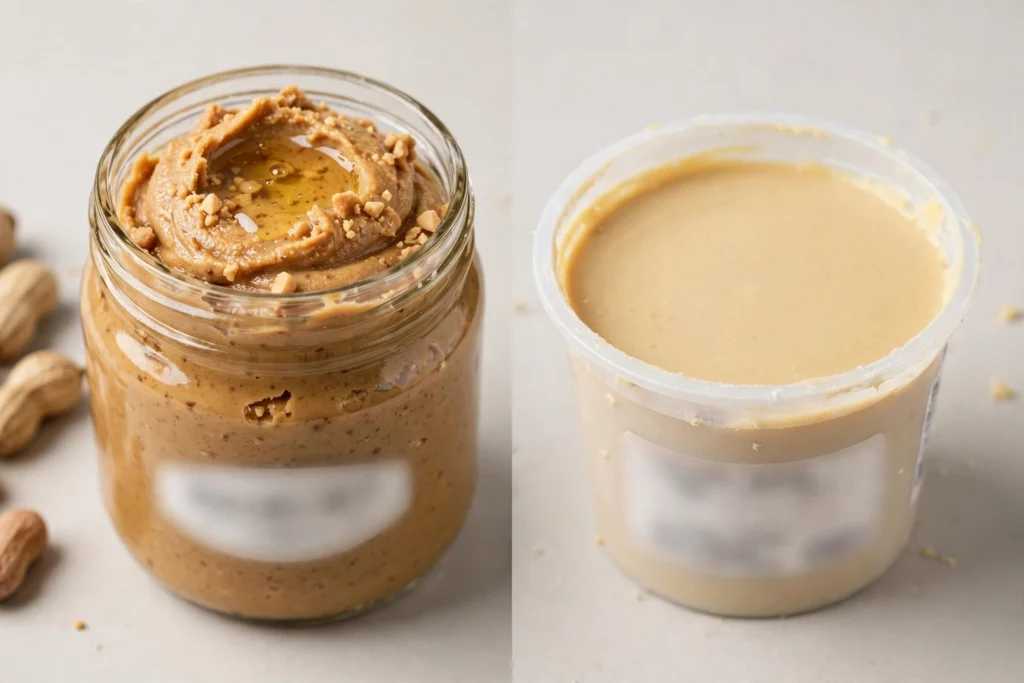
How to Choose Peanut Butter: Labels and Ingredients

To choose good peanut butter, read the ingredient list — the best natural versions list just peanuts and salt. Oil separation on top is normal for natural peanut butter, not a flaw; stir it once and store upside down. “No-stir” versions add palm oil and sugar for convenience — pick by your priority: purity or […]

Read the guide
Grains & pantry2 min read

How to Choose Bread: Labels and Freshness

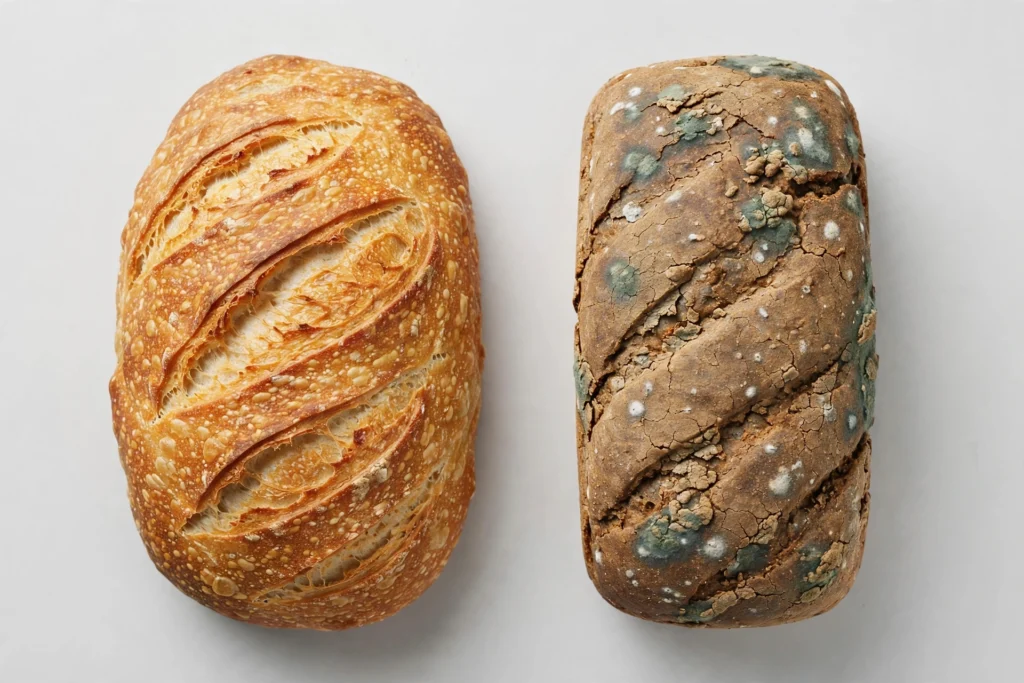
To choose good bread, read the ingredient list — “whole wheat” should mean whole-wheat flour is the first ingredient, not just caramel-colored white bread. Check the date, squeeze gently for softness (without crushing), and look for a well-formed loaf with no mold. For the freshest bread, buy from bakeries with high turnover or bake-day labeling. […]

Read the guide
1 … 12 13 14 15 16 … 22
🌐 Language
Read in your language Open Google translation ↗ Opens this public page in Google Translate. Automatic translations may contain errors. Google processes the page URL and translation requests. Privacy & cookies