
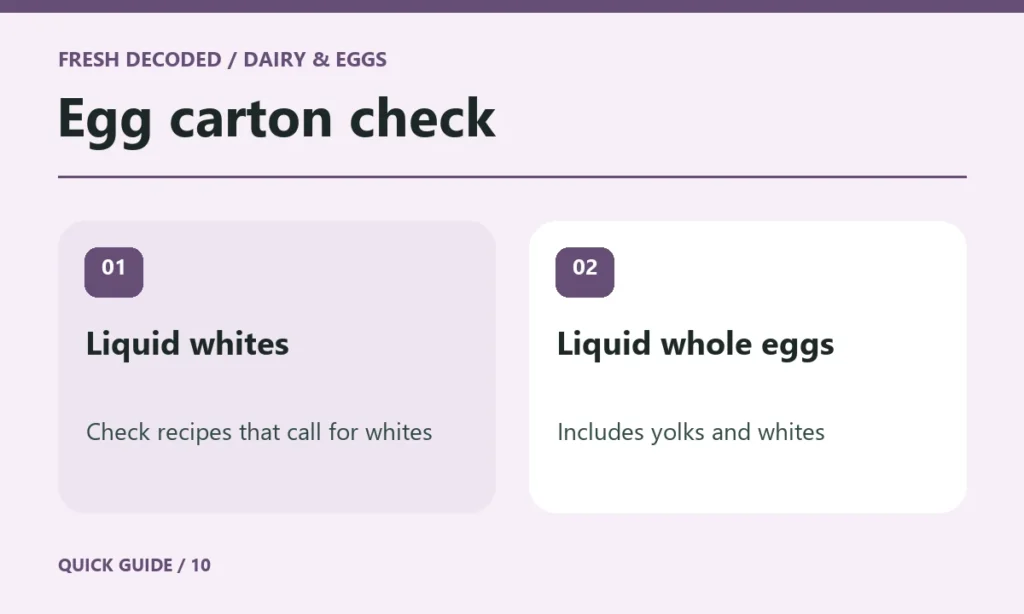
Liquid Egg Whites vs. Liquid Whole Eggs: Read the Carton First
Match a liquid egg carton to recipes that need whites or whole eggs, and check the ingredient list and conversion chart before measuring.
Read the guideLabels, packaging, and everyday choices.
Match a liquid egg carton to recipes that need whites or whole eggs, and check the ingredient list and conversion chart before measuring.
Read the guide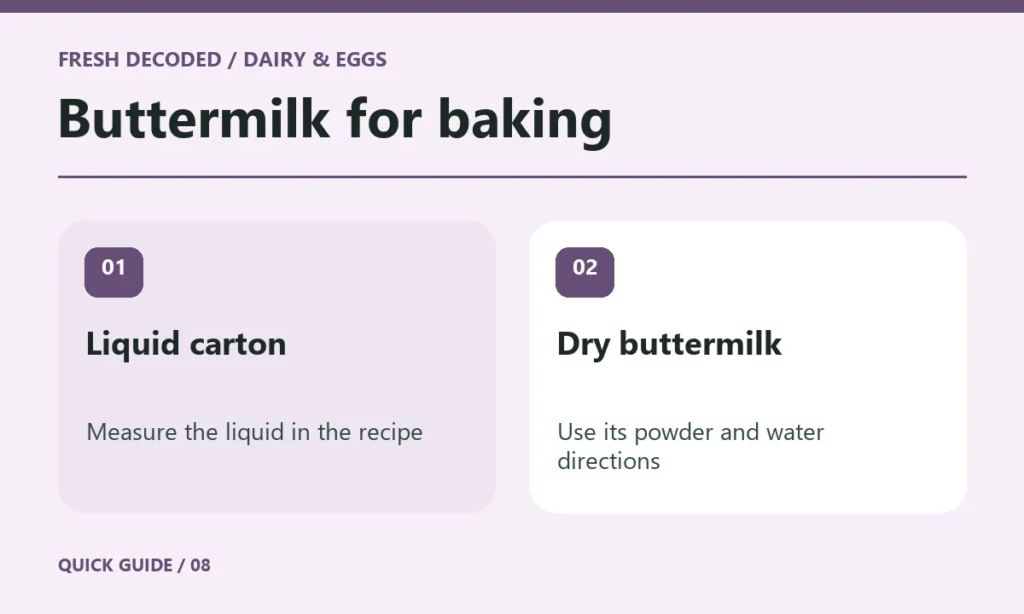
Choose liquid buttermilk or dry buttermilk powder for baking, and see why the added water and mixing order matter to the recipe.
Read the guide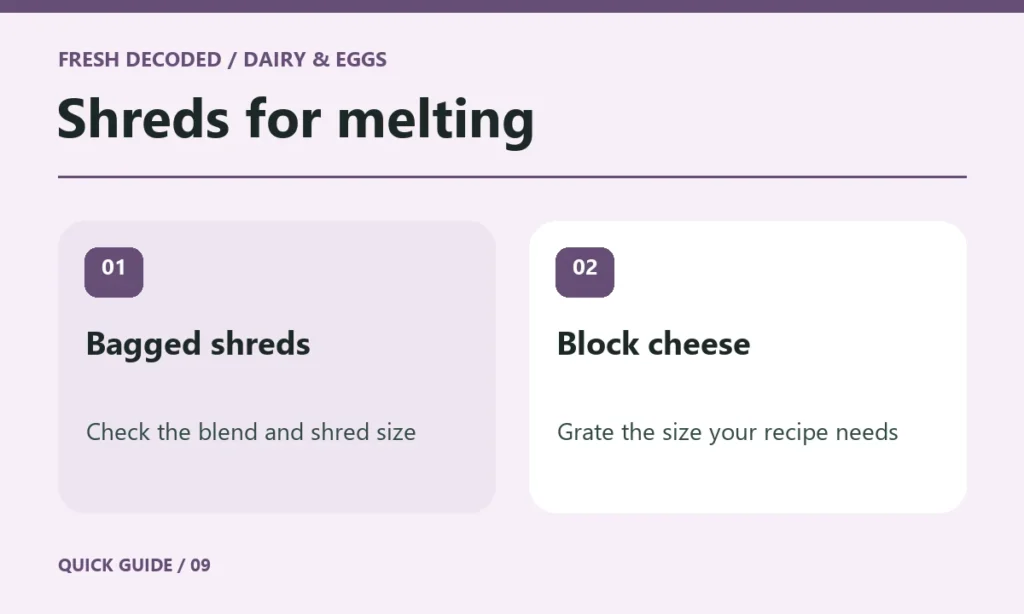
Compare shred size, cheese variety and the ingredient list when choosing between a bag of shreds and a block for melting.
Read the guide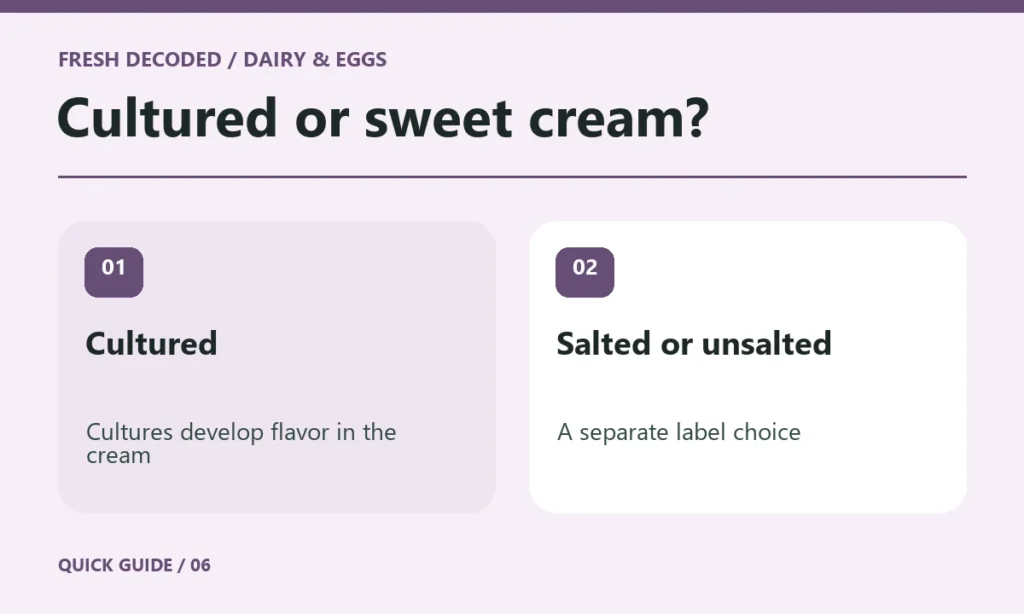
Learn what cultured and sweet cream mean on a butter wrapper, and check salt and butterfat separately before choosing a baking substitute.
Read the guide
Check whether a recipe calls for a firm brick or a spreadable tub of cream cheese, and avoid assuming the same package weight means the same result.
Read the guide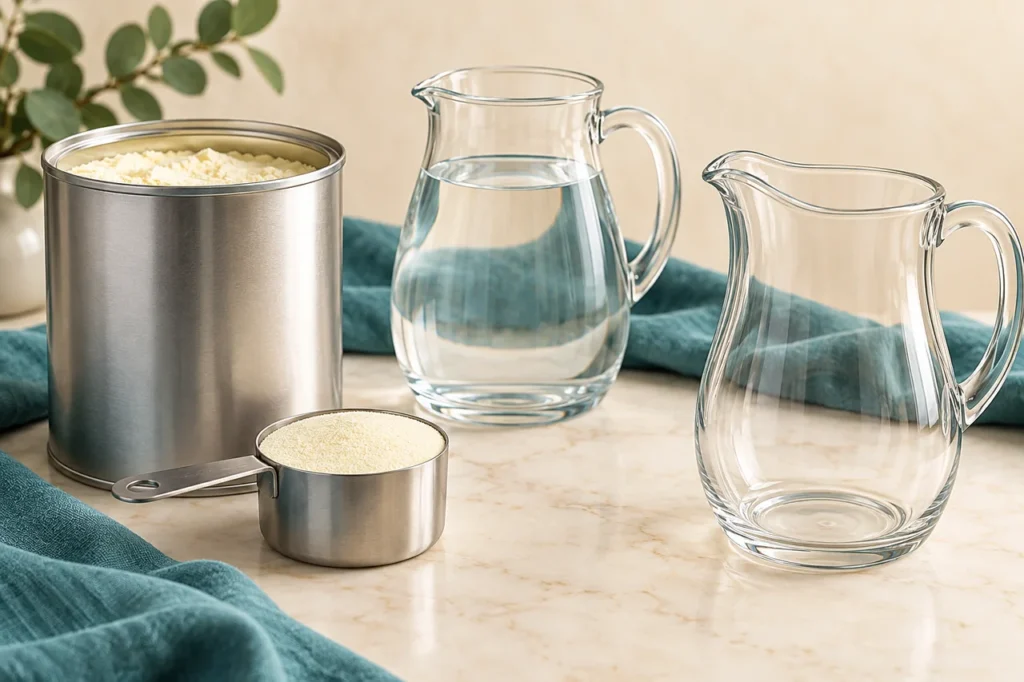
Mix dry milk using the directions on your own package. A scoop from another brand, a heaped spoon or an instruction for a different final volume can change the concentration…
Read the guide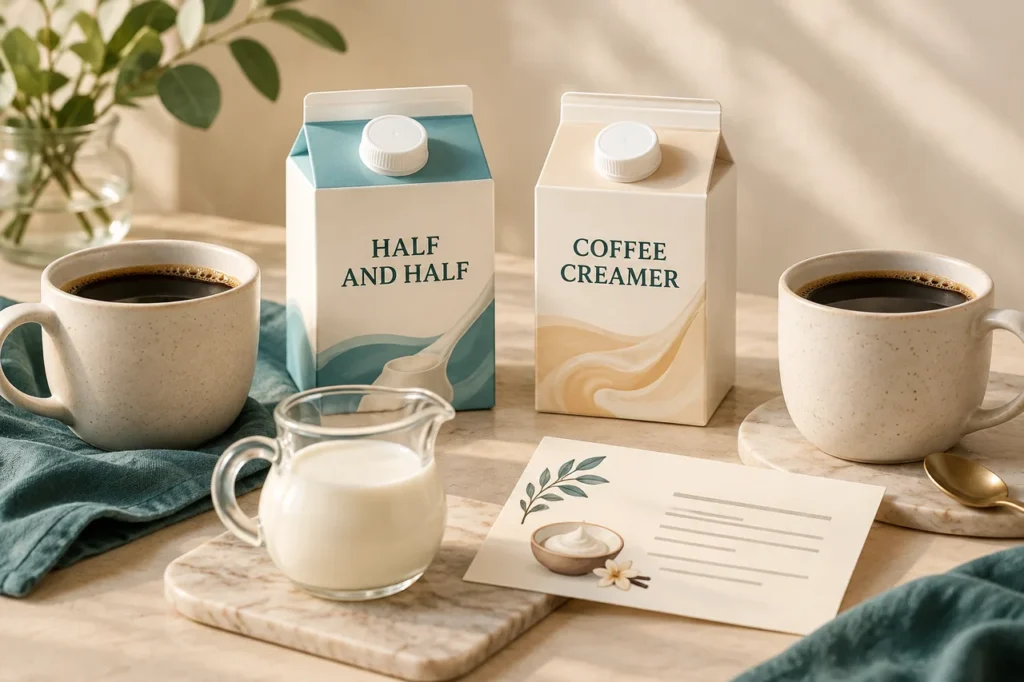
Half-and-half and coffee creamer are not interchangeable product names. Compare the milk ingredients, added flavor or sweetener, serving measure and refrigeration instructions before choosing one for coffee or a recipe.…
Read the guide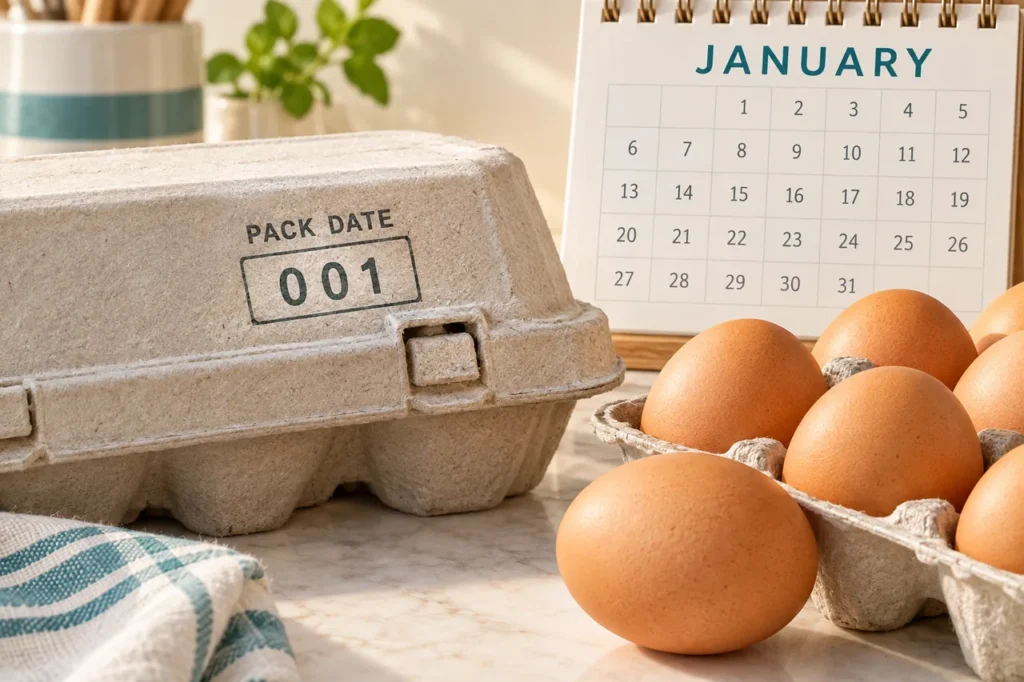
On USDA-graded egg cartons, the three-digit pack-date code identifies the day of the year the eggs were packed. It is different from a plant number, a quality grade and a…
Read the guide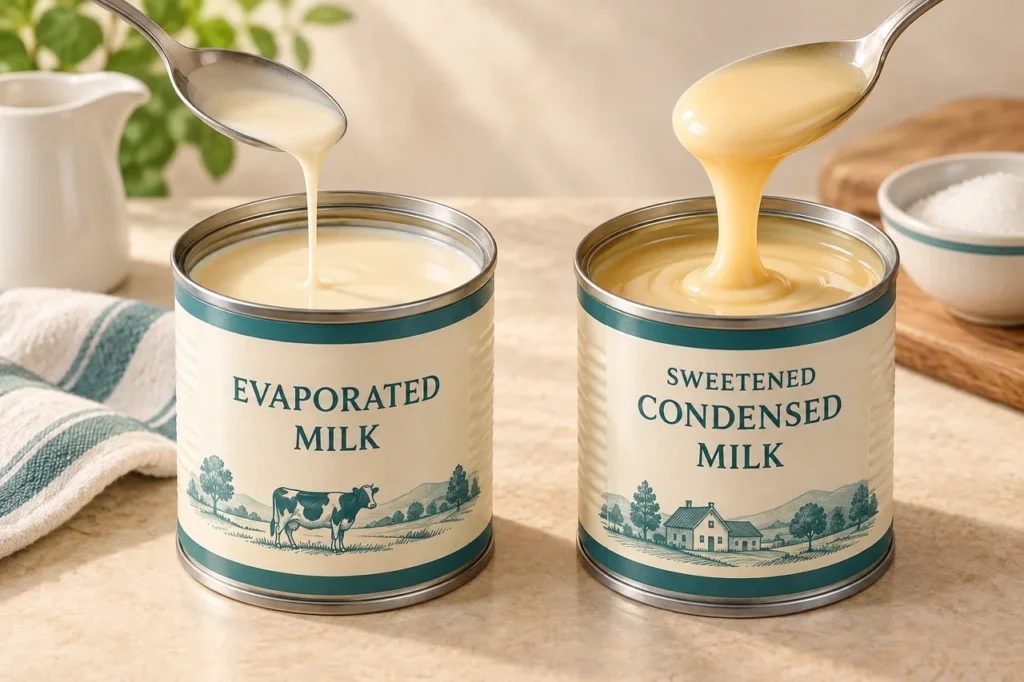
Evaporated milk and sweetened condensed milk are concentrated milk products with different roles. The added sugar in sweetened condensed milk changes a recipe, so do not swap the two solely…
Read the guide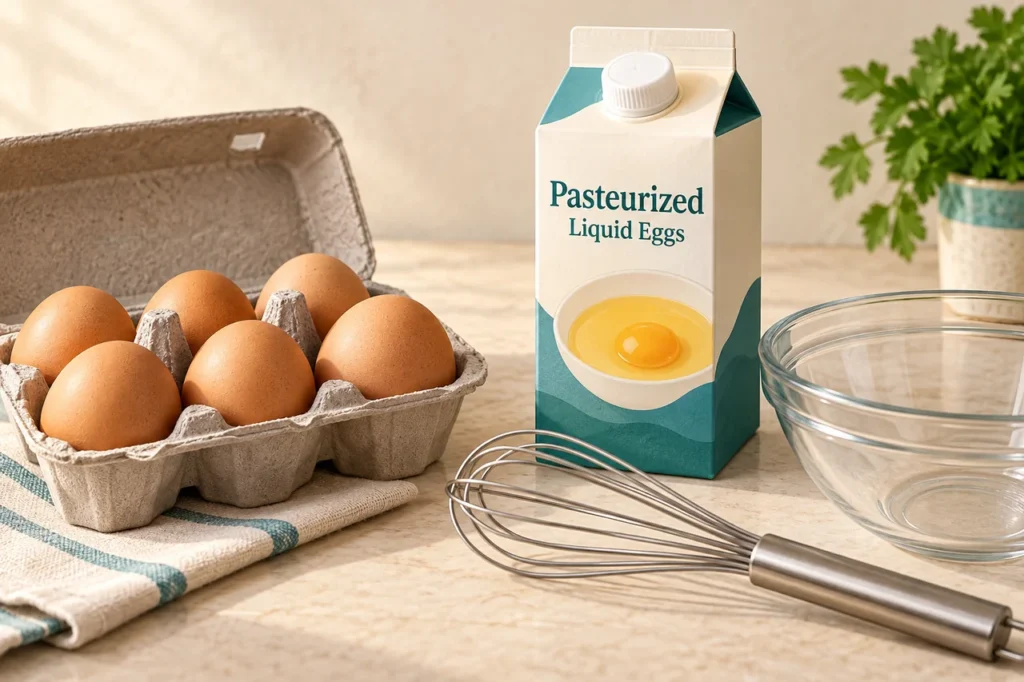
For a recipe that will not thoroughly cook its eggs, look for eggs or egg products explicitly labeled pasteurized. Organic, free-range, brown-shell and a high quality grade do not make…
Read the guide