fresh decoded.
Read, understand, choose

All guides

Practical guides to quality, taste, labels, and storage.

Explore by food topic

Latest guides

Dairy & eggs3 min read

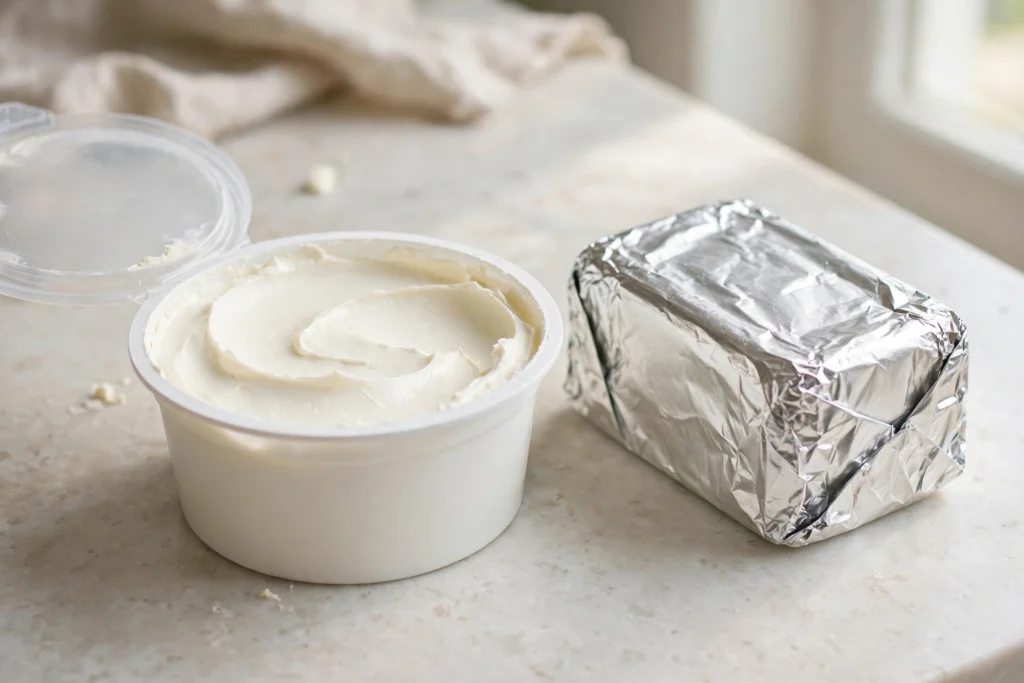
How to Choose Cream Cheese: Texture, Color, and Seal

To choose good cream cheese, look for a bright white color and a smooth, even texture with no cracks or yellowing. The foil seal under the lid should be intact — a broken or puffy seal is a reason to pick another tub. Check the date, and once opened, give it a sniff: fresh cream […]

Read the guide
Dairy & eggs3 min read

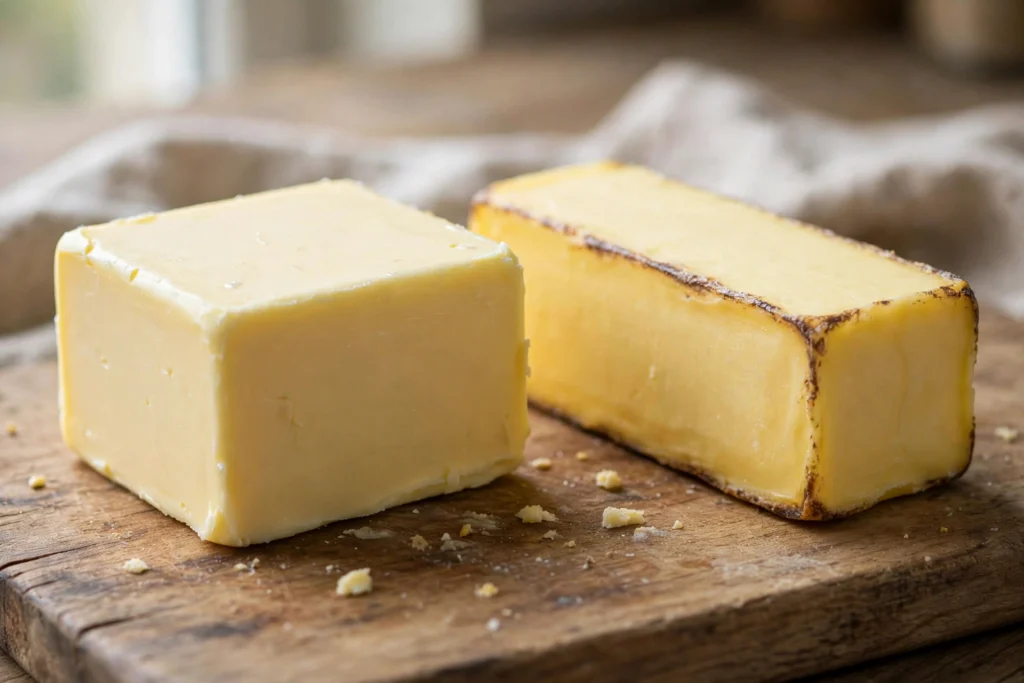
How to Choose Butter: Color, Smell, and Freshness

To choose fresh butter, look for an even pale-yellow color and a clean, sweet-cream smell — no sour or cheesy notes. The block should feel firm and come in intact, undamaged wrapping. Check the date and give the package a sniff if you can: fresh butter smells mildly sweet, while butter turning rancid smells sharp […]

Read the guide
Fish & seafood3 min read

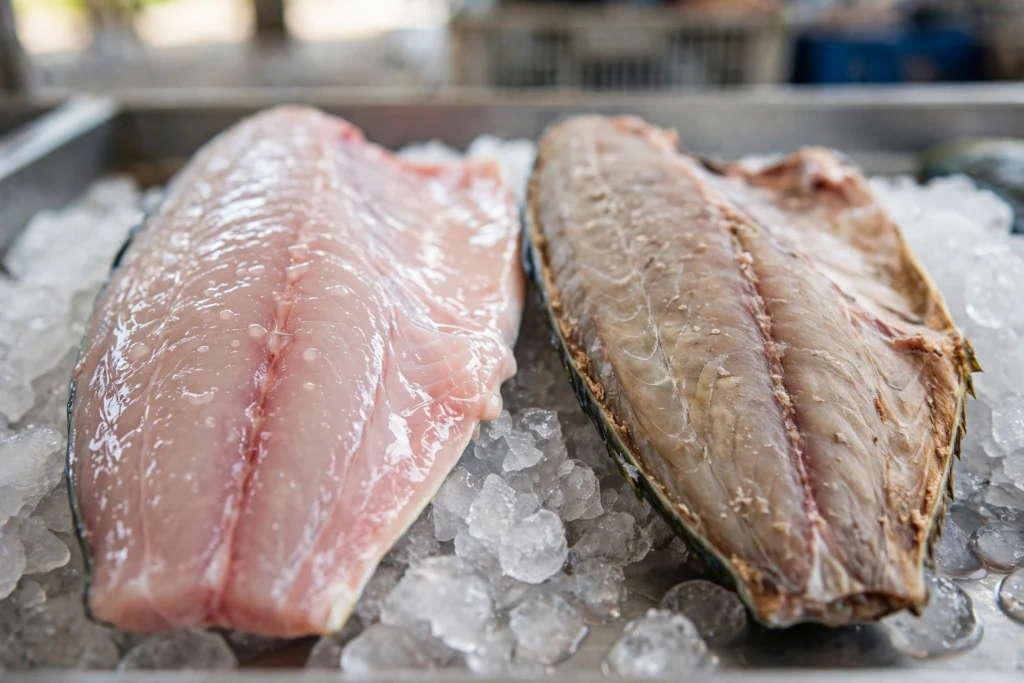
How to Choose Mahi-Mahi: Smell, Color, and Firmness

To choose fresh mahi-mahi, trust your nose first: it should smell mild and sweet like the ocean, never strongly fishy or sour. The flesh should look moist and slightly translucent — typically pinkish-white to light beige — with no browning or drying around the edges. Press a fillet gently; fresh flesh feels firm and springs […]

Read the guide
Fish & seafood4 min read

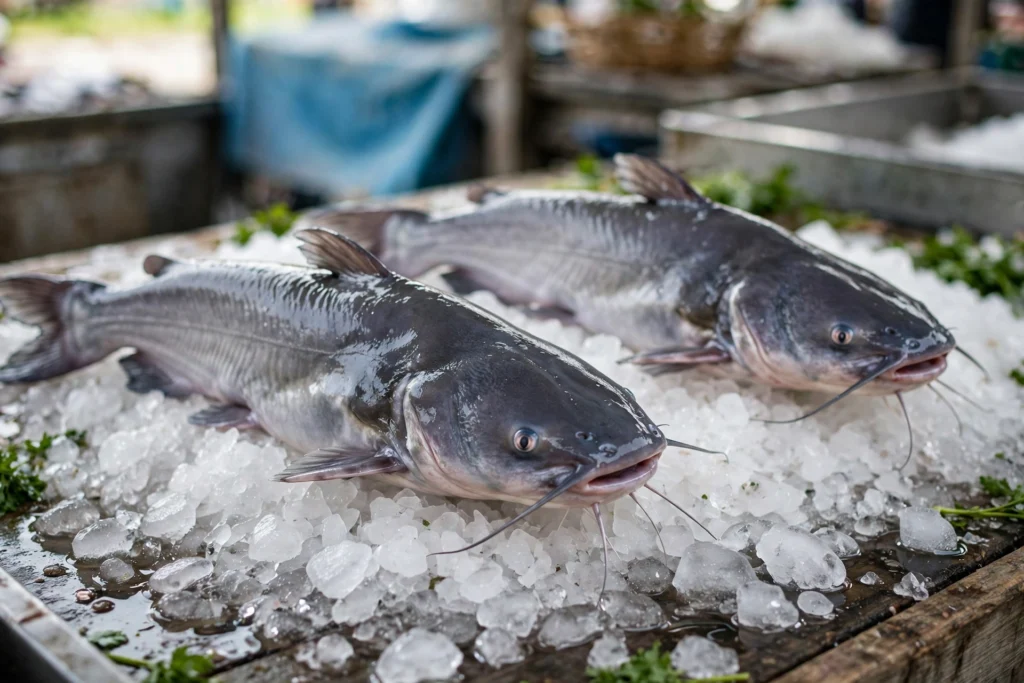
How to Choose Catfish: Eyes, Gills, Smell, and Flesh

Fresh catfish — whole or fillet — should smell mild and clean, never strongly fishy or muddy-sour. For whole fish, look for clear, slightly bulging eyes, bright red gills, and firm flesh that springs back when pressed. For fillets, choose firm, moist pieces with no discoloration or drying around the edges. Whether farmed or wild, […]

Read the guide
Fish & seafood3 min read

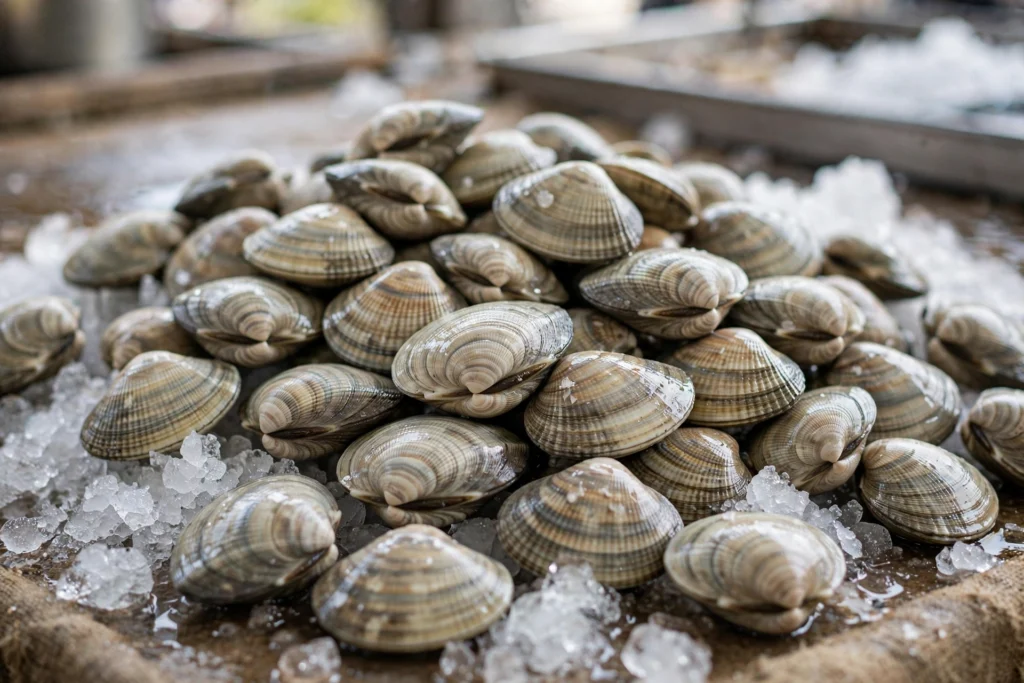
How to Choose Clams: Shells, Smell, and Size

Fresh clams should be alive at purchase, with shells that are closed or that close when tapped. They should smell clean and mildly briny — never strongly fishy or sour. Look for intact shells with no cracks, and pick the size that matches your recipe: littlenecks for eating whole, cherrystones for grilling, and larger chowder […]

Read the guide
Meat & fresh food3 min read

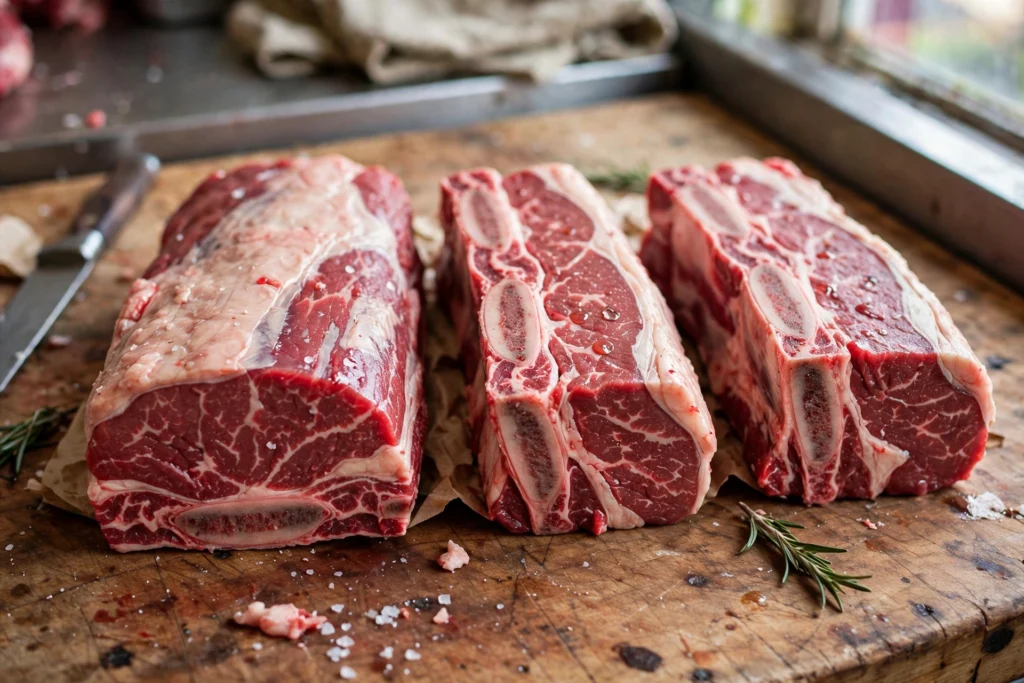
How to Choose Short Ribs: Marbling, Meat-to-Bone, and Color

With short ribs, you are paying by weight — so make meat-to-bone ratio your first check. Look for a thick layer of meat over the bone, good marbling running through it, and a bright red color. The meat should feel firm and the surface should look moist, not dried out. Decide between English-cut (thick, bone-in […]

Read the guide
Meat & fresh food3 min read

How to Choose Pork Chops: Color, Marbling, and Thickness

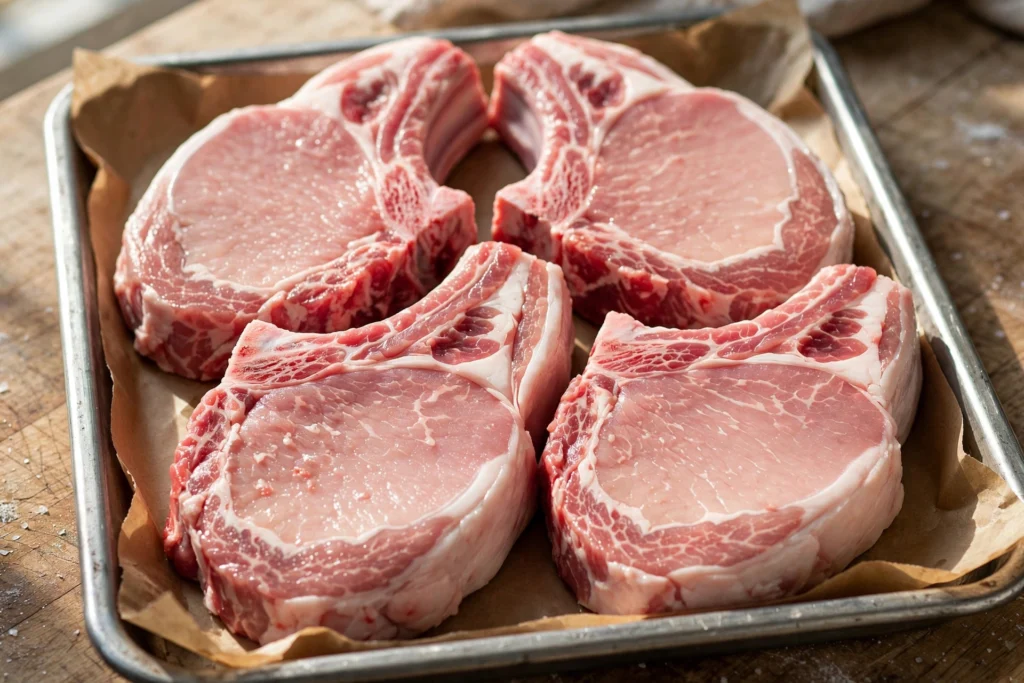
Juicy pork chops start with color: look for a pinkish-red hue, not pale or gray. A little marbling — fine flecks of fat through the meat — helps keep chops moist during cooking. Choose chops at least 1 inch thick; thin chops overcook in moments. The surface should look moist but not wet, the meat […]

Read the guide
Meat & fresh food3 min read

How to Choose Brisket: Flex, Fat Cap, and Marbling

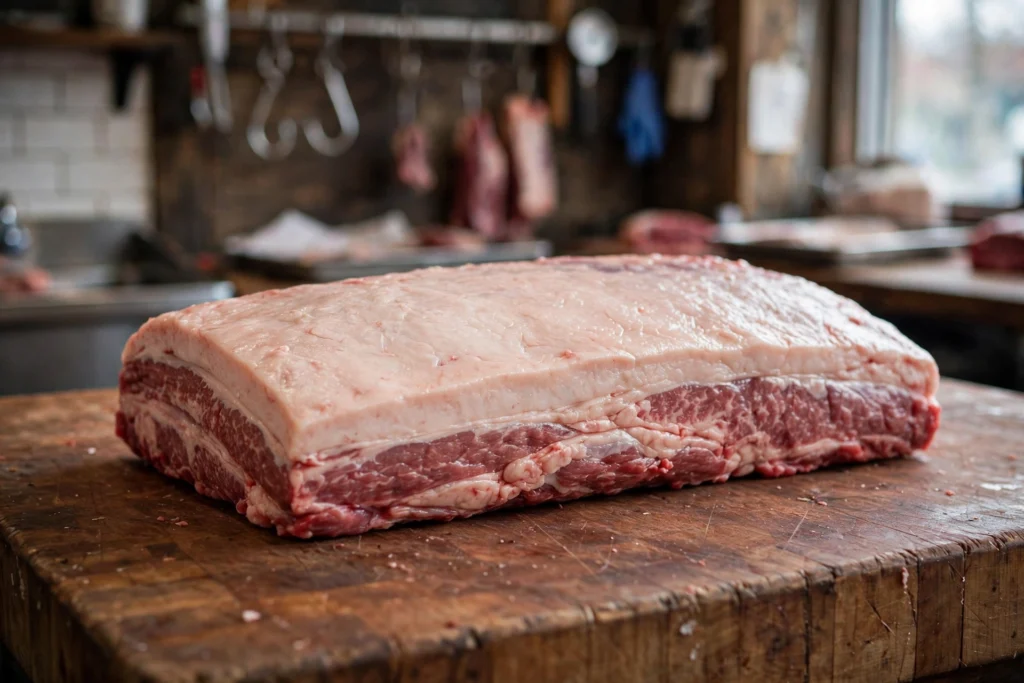
A good brisket bends. Pick up the packaged brisket and flex it — a pliable, bendy brisket usually cooks up more tender than a stiff board-like one. Look for a deep red color, an even fat cap (ideally around 1/4 inch after trimming), and visible marbling in the flat. Decide first whether you want a […]

Read the guide
Meat & fresh food4 min read

How to Choose Ribeye Steaks: Marbling, Thickness, and Color

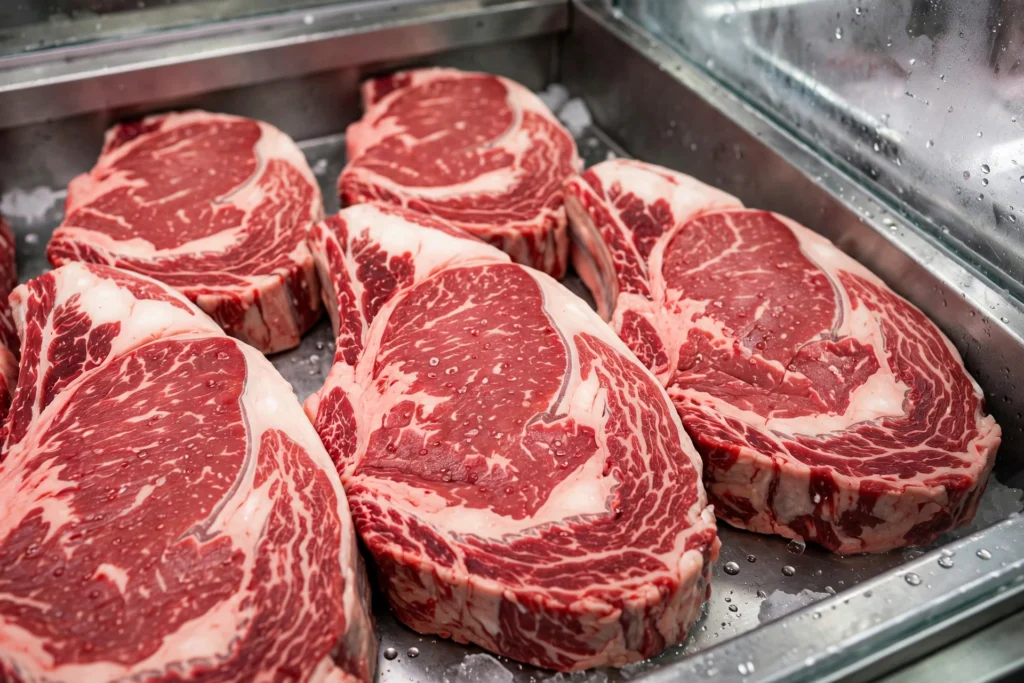
A great ribeye starts with marbling — those fine white flecks of fat running through the meat are what make it juicy and flavorful. Look for bright cherry-red color, a steak at least 1 to 1.5 inches thick, and a dry (not wet) surface. Creamy-white fat is a good sign; yellow, waxy fat suggests an […]

Read the guide
Meat & fresh food3 min read

How to Choose Ham: Labels, Color, and Packaging

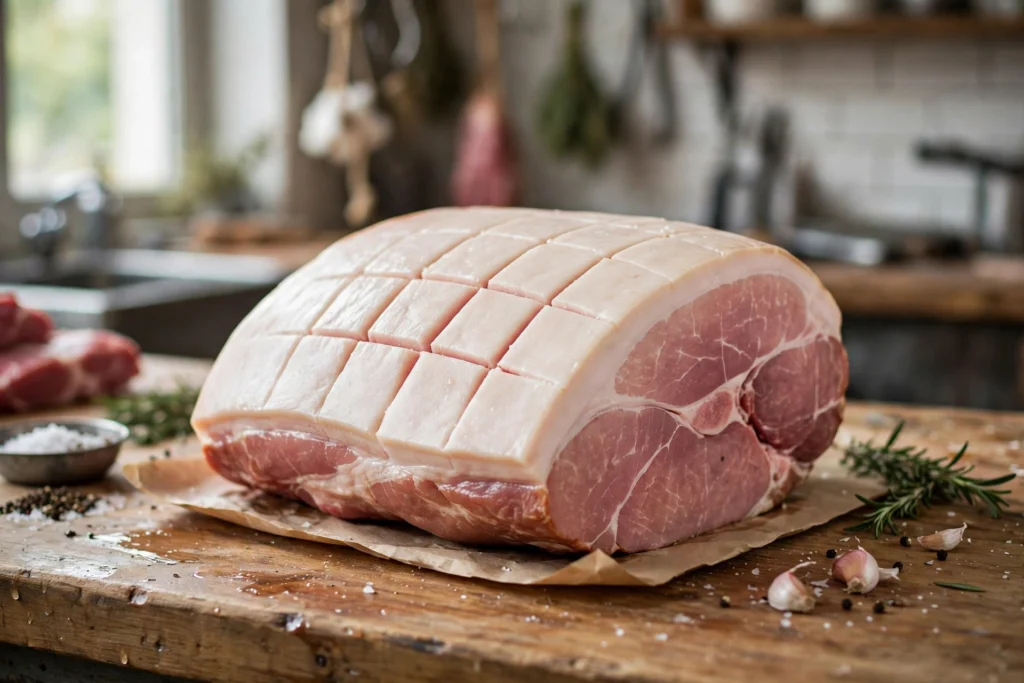
Good ham starts with the label: decide whether you want fully cooked, cook-before-eating, bone-in, or boneless before you shop. Look for firm, rosy-pink meat, intact vacuum packaging with little excess liquid, and a clear sell-by or use-by date. Avoid ham that looks gray or green, feels slimy, has torn packaging, or smells sour — and […]

Read the guide
Vegetables3 min read

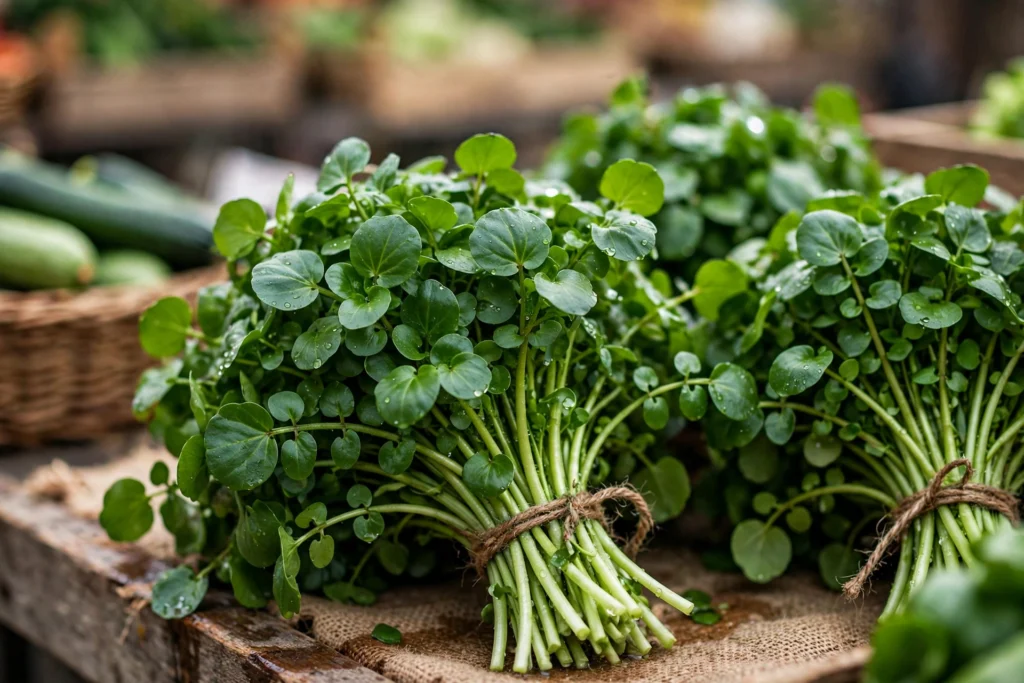
How to Choose Watercress: Crisp Leaves, Fresh Smell, and Deep Color

Fresh watercress has crisp, dark-green leaves, firm stems, and a clean, peppery smell. Look for bunches or bags with vivid color and no yellowing, sliminess, or wilted leaves. The leaves should feel perky and spring back when gently pressed — limp or slimy watercress is past its prime. Avoid any package with a sour or […]

Read the guide
1 … 8 9 10 11 12 … 22
🌐 Language
Read in your language Open Google translation ↗ Opens this public page in Google Translate. Automatic translations may contain errors. Google processes the page URL and translation requests. Privacy & cookies