fresh decoded.
Fresh Decoded guides

Grains & pantry

Rice, beans, grains, and shelf staples.

Grains & pantry4 min read

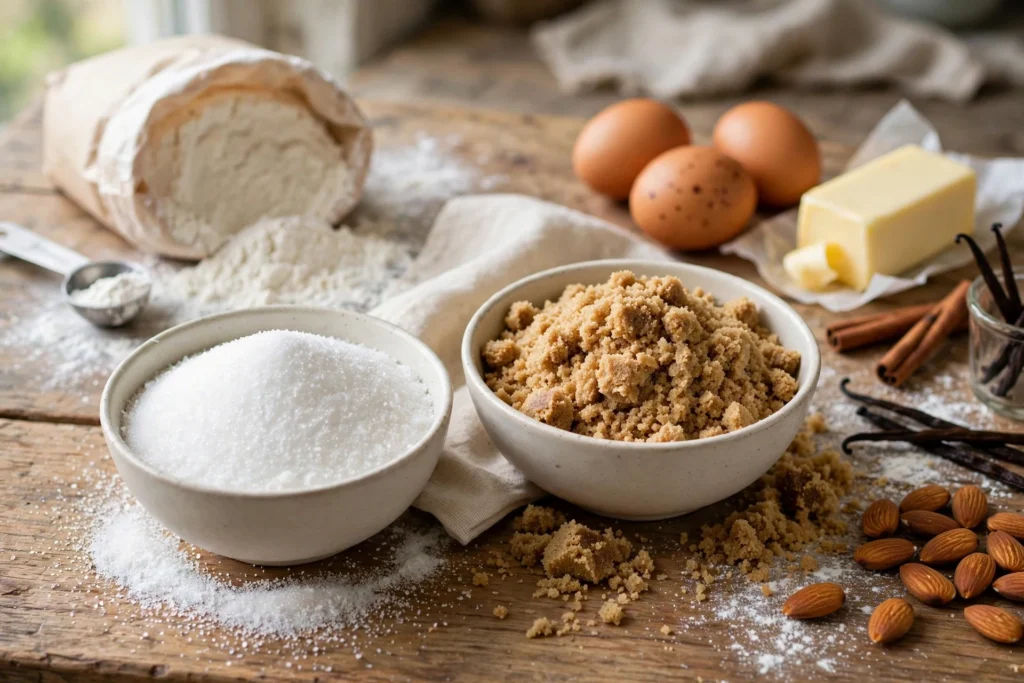
White vs. Brown Sugar: When It Matters in Cooking

The difference between white and brown sugar is molasses. Brown sugar is white sugar with molasses added back, which gives it moisture, a deeper caramel-like flavor, and a soft, packable texture. Swapping them changes chewiness in cookies, color in sauces, and tenderness in baked goods — sometimes a little, sometimes enough to matter. AI-generated image […]

Read the guide
Grains & pantry4 min read

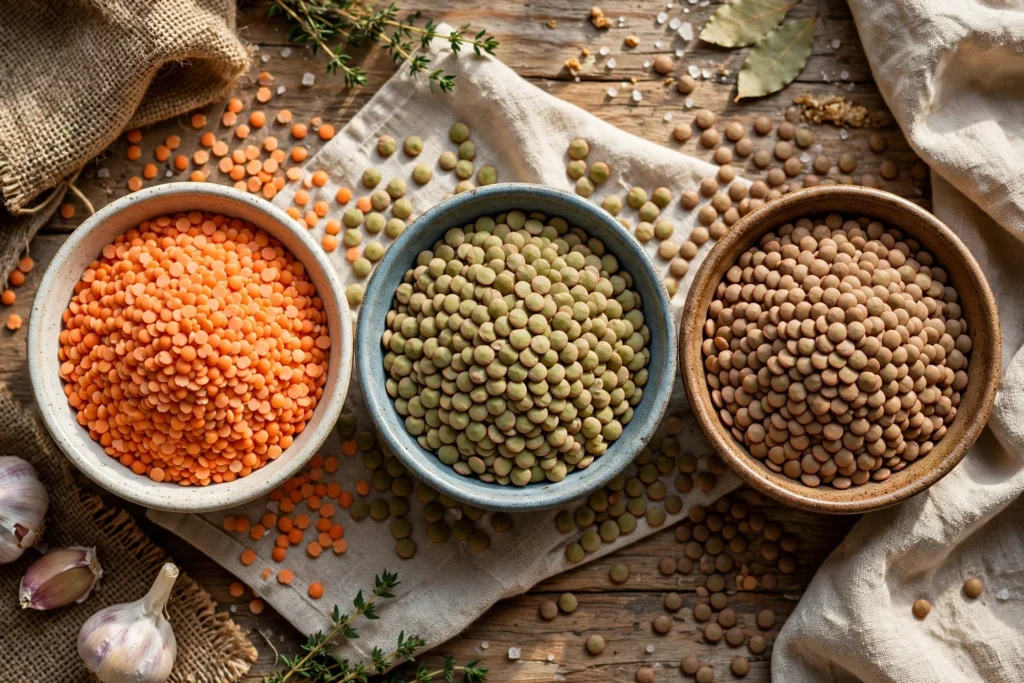
How to Choose Lentils: Red, Green, and Brown

To choose lentils, match the type to the texture you want: red and yellow lentils cook fast and fall apart into a soft puree for soups and dals, while brown and green lentils hold their shape better for salads and side dishes. Look for bags of evenly colored, whole-looking lentils with no dust, shriveled pieces, […]

Read the guide
Grains & pantry4 min read

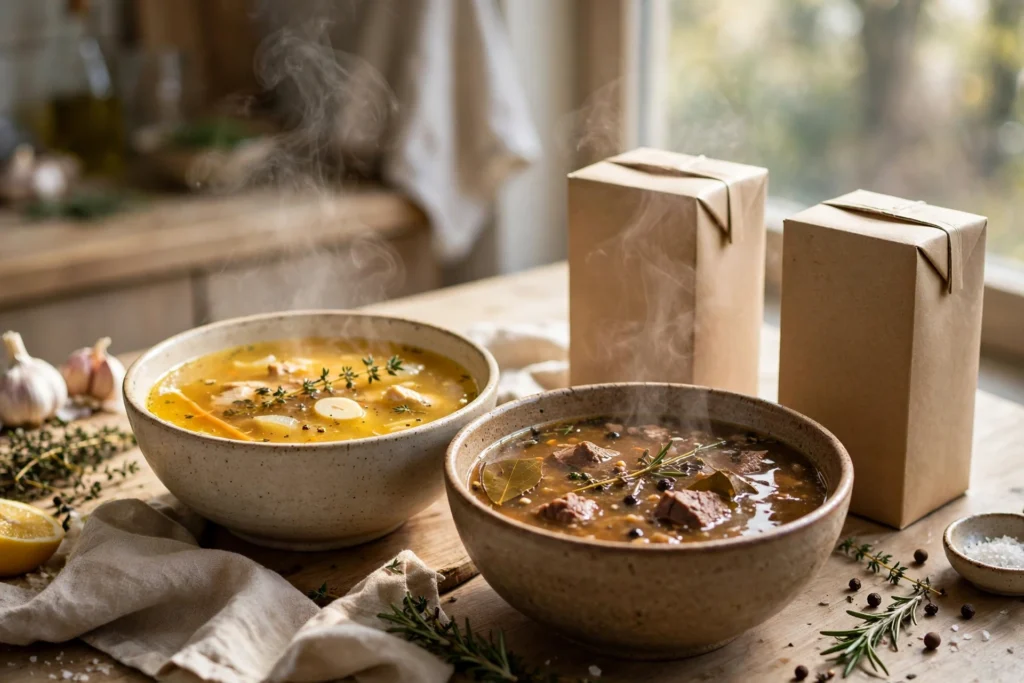
Stock vs. Broth: What’s the Difference and When to Use Each

The classic difference is ingredients and body: stock is traditionally made from bones, giving it a richer, more gelatinous texture, while broth is made mainly from meat and vegetables and is lighter and ready to sip on its own. In today’s supermarkets the words are often used loosely, so the ingredient list and sodium level […]

Read the guide
Grains & pantry3 min read

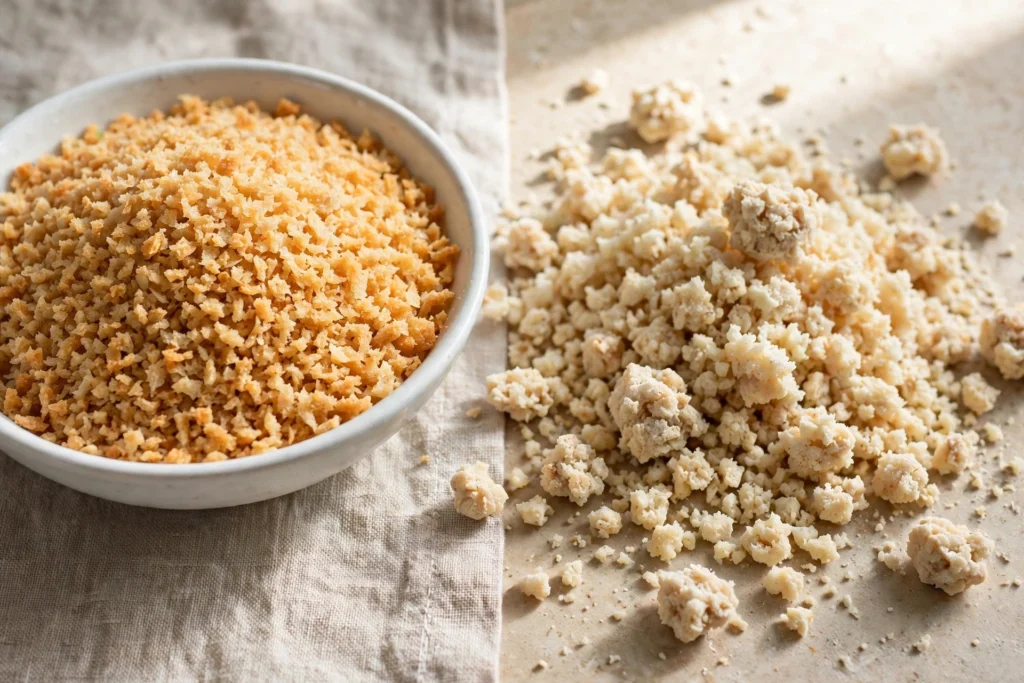
How to Choose Breadcrumbs: Texture, Freshness, and Flavor

To choose good breadcrumbs, pick a package that is sealed and intact with a date well in the future. The crumbs should look dry and feel crisp, not soft or clumpy, and smell neutral or faintly toasty — never stale, musty, or rancid. Match the grind to your dish: fine crumbs for smooth coatings, coarse […]

Read the guide
Grains & pantry3 min read

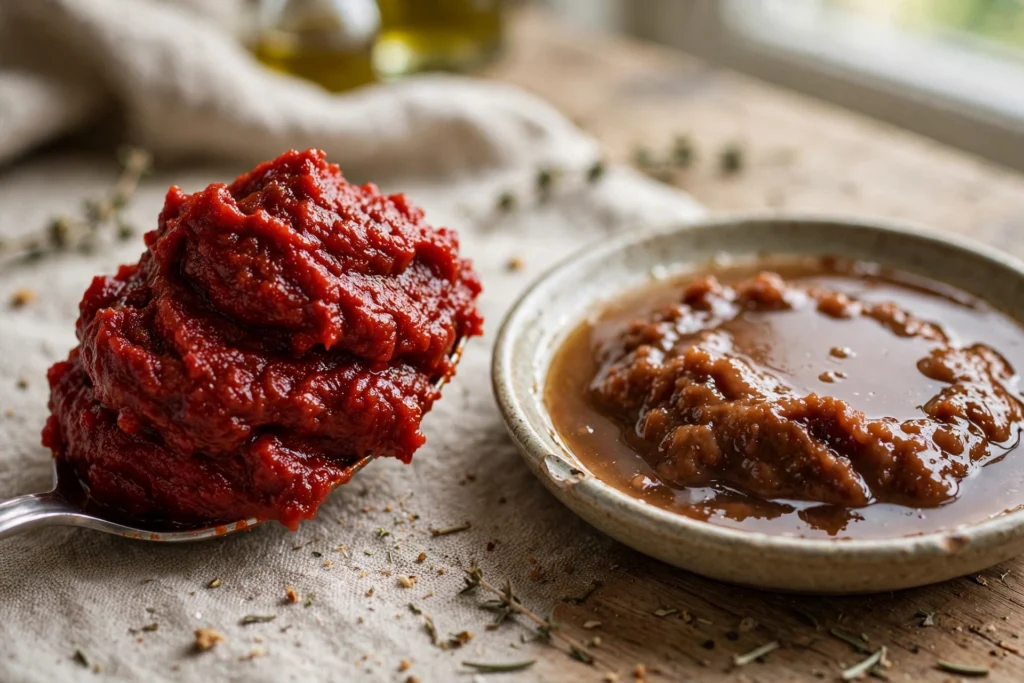
How to Choose Tomato Paste: Deep Color, Thick Texture

To choose good tomato paste, look for a deep, rich red color and a thick texture that holds its shape on a spoon. It should smell cleanly of cooked tomatoes — sweet and concentrated, never sour or fermented. Tubes and small cans both work; tubes are easier to store after opening. Avoid paste that looks […]

Read the guide
Grains & pantry3 min read

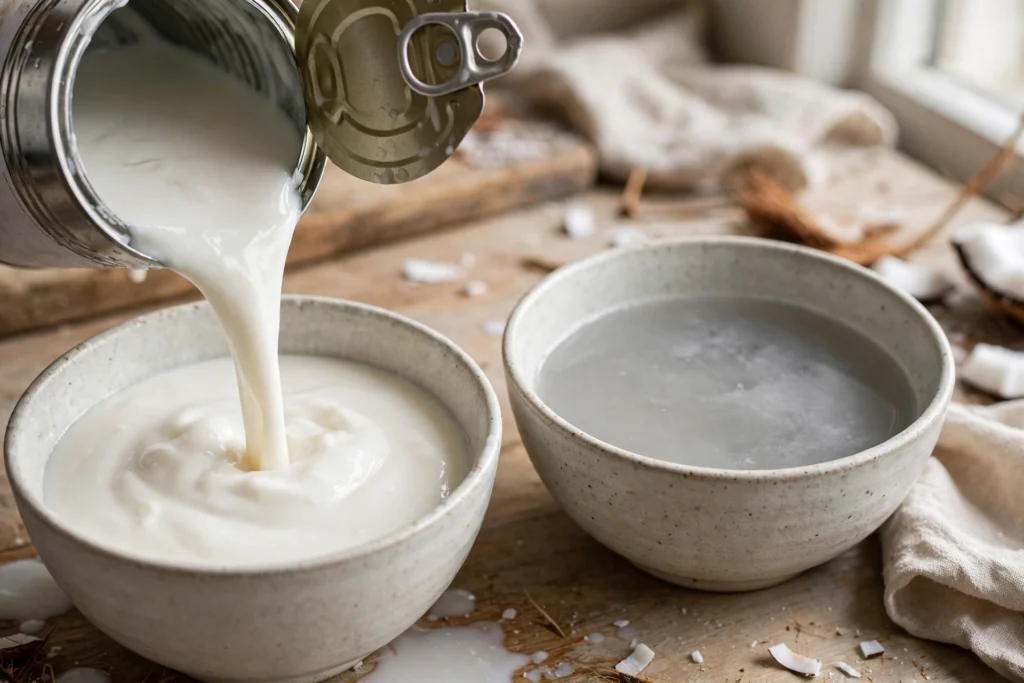
How to Choose Coconut Milk: Rich, Creamy, and Smooth

To choose good coconut milk, pick cans or cartons that are undented and intact, with a date well in the future. Shake the can gently: it should feel full and liquid, not sloshing thin like water. Good coconut milk smells cleanly of coconut and tastes rich and creamy — never sour, metallic, or soapy. Check […]

Read the guide
Grains & pantry3 min read

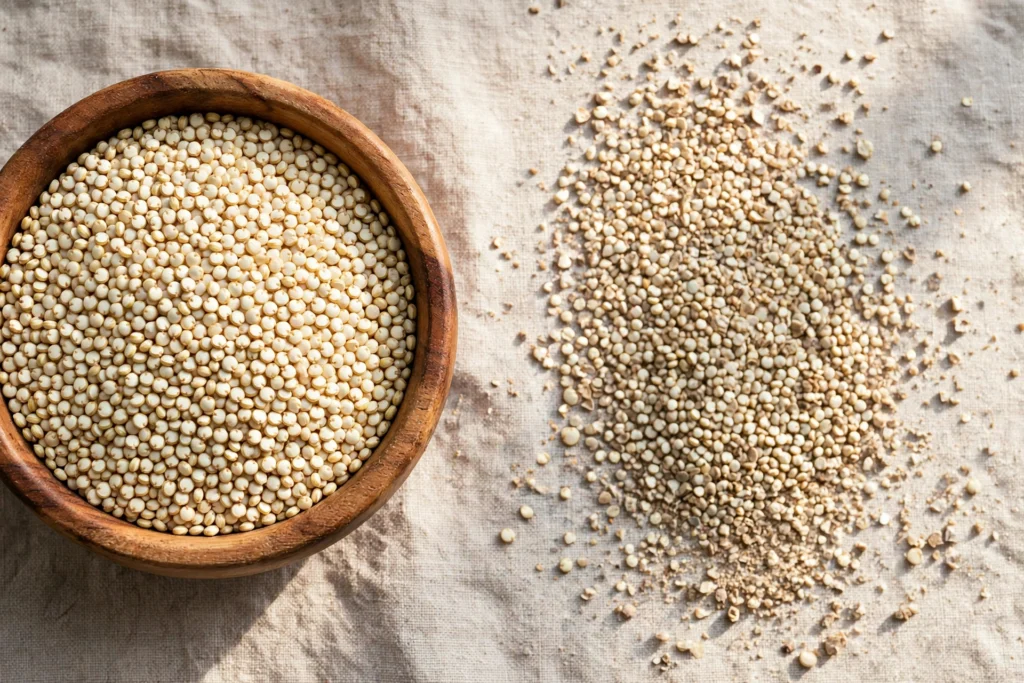
How to Choose Quinoa: Clean, Whole Grains That Cook Evenly

To choose good quinoa, look for grains that are whole and uniform with no broken bits, dust, or debris at the bottom of the bag. The package should be sealed and intact, and the grains should smell neutral or faintly nutty — never musty, stale, or sour. White, red, and black quinoa are all fine […]

Read the guide
Grains & pantry3 min read

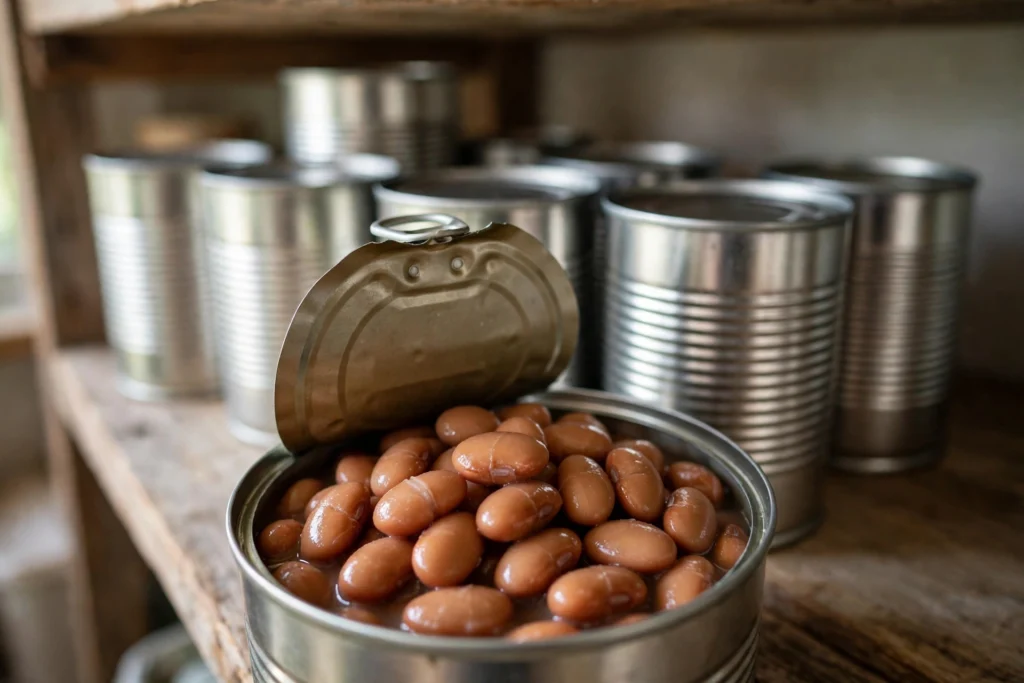
How to Choose Canned Beans: Can Condition and Labels

To choose good canned beans, inspect the can before you read the label: it should be smooth and intact, with no swelling, deep dents, rust, or leaks. Dents along the seams or rims matter more than small dings on the side. Then check the date and the label — look for the bean variety you […]

Read the guide
Grains & pantry3 min read

How to Choose Cooking Oil: Freshness, Smoke Point, and Storage

To choose good cooking oil, smell it first if you can: fresh oil smells neutral or pleasantly nutty, never sharp, paint-like, or like crayons — those are signs of rancidity. The oil should look clear (for refined oils), and bottles of olive oil are best in dark glass that blocks light. Check the date, and […]

Read the guide