fresh decoded.
Fresh Decoded guides

Grains & pantry

Rice, beans, grains, and shelf staples.

Grains & pantry3 min read

How to Choose Maple Syrup: Pure vs. Flavored, and Grades

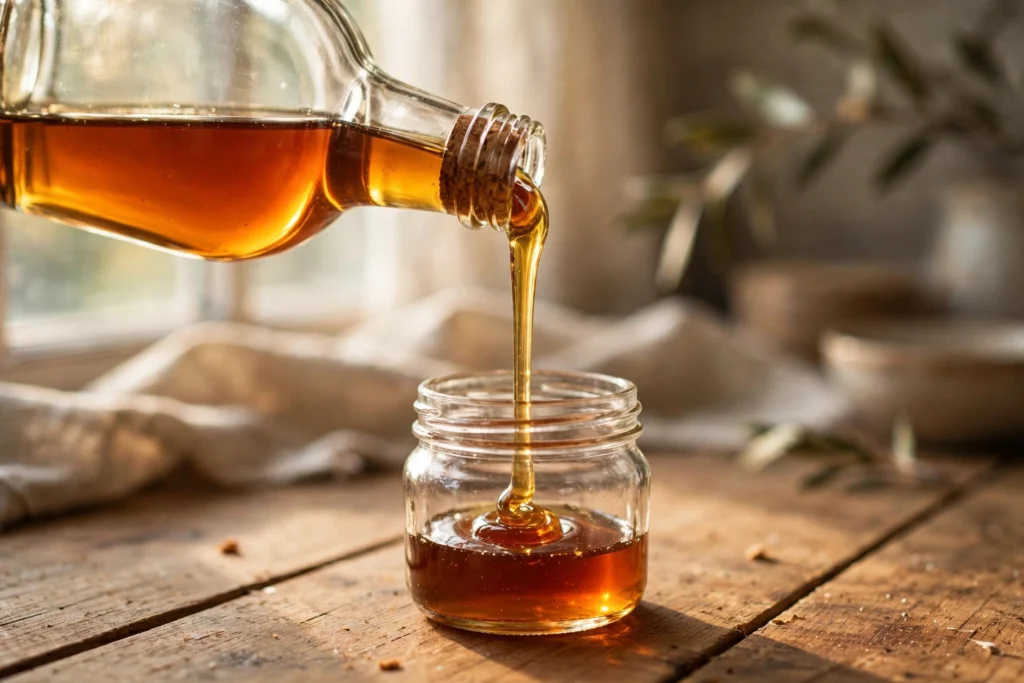
To choose real maple syrup, read the ingredients first: they should list one thing — maple syrup. Anything labeled “maple-flavored,” “pancake syrup,” or “breakfast syrup” is usually corn syrup with flavoring, not the real thing. Real syrup should look clear and consistent in the bottle, with a color that matches its grade, from light golden […]

Read the guide
Grains & pantry2 min read

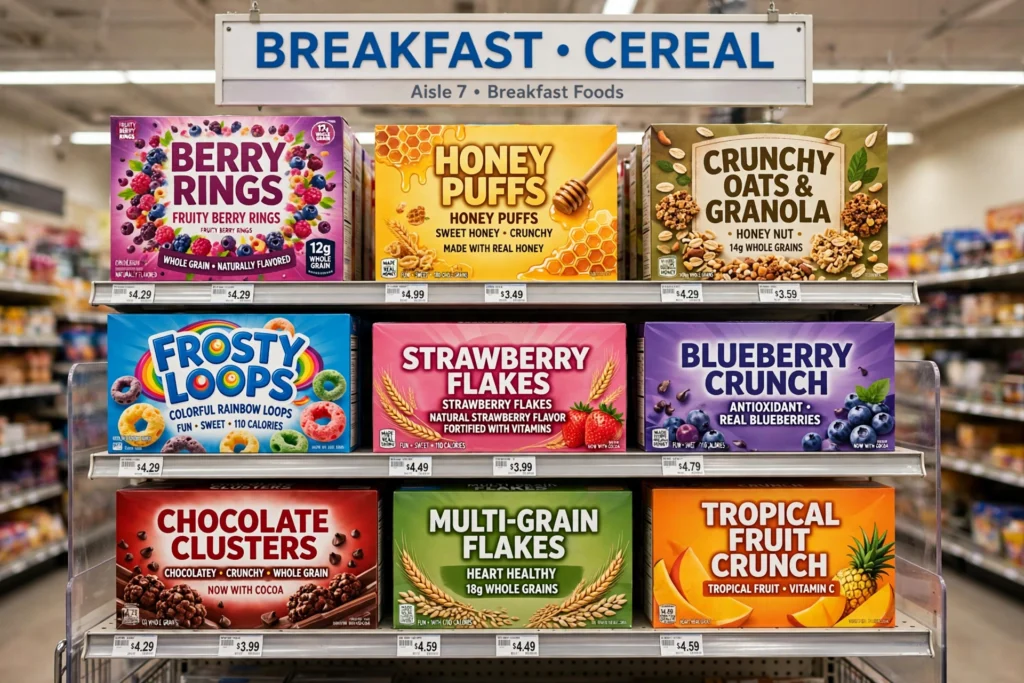
How to Choose Cereal: Labels, Sugar, and Whole Grains

To choose better cereal, flip the box and read the nutrition panel first — compare sugar per serving across brands, not the front-of-box claims. Whole grain should be the first ingredient, and fiber of at least 3 grams per serving is a good sign. Serving sizes are often smaller than what people pour, so scale […]

Read the guide
Grains & pantry2 min read

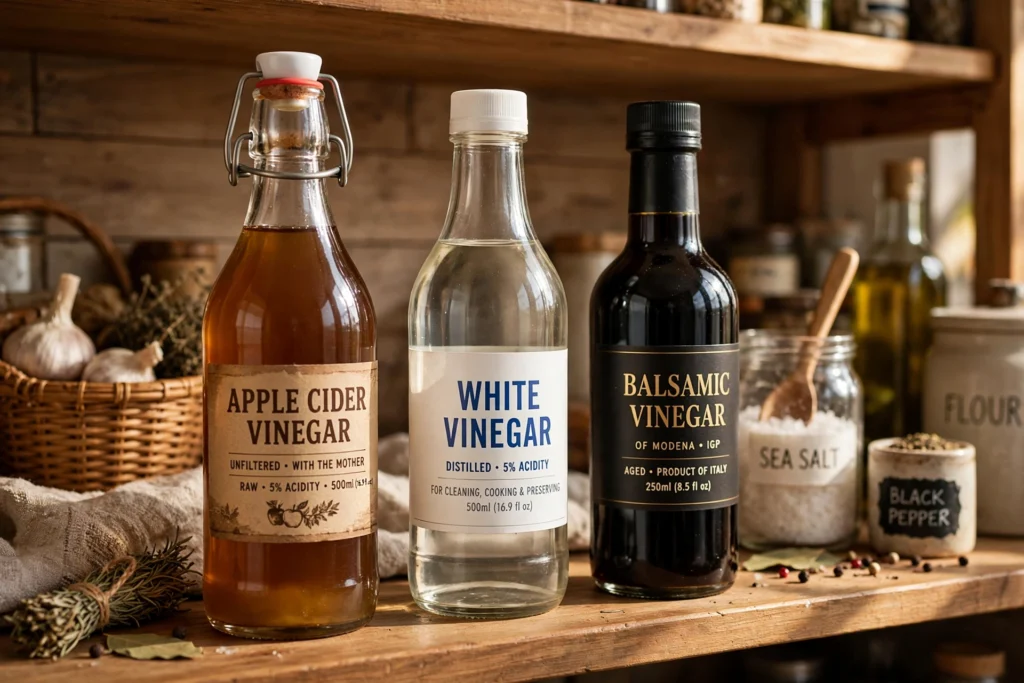
How to Choose Vinegar: Types, Labels, and Quality

To choose good vinegar, match the type to the job — distilled white for cleaning and pickling, apple cider and wine vinegars for dressings, balsamic for finishing. Check the acidity percentage on the label (usually 5% for table vinegar) and look for clear, honest ingredient lists. Good vinegar smells bright and clean; dull or musty […]

Read the guide
Grains & pantry2 min read

How to Choose Soy Sauce: Labels and Ingredients

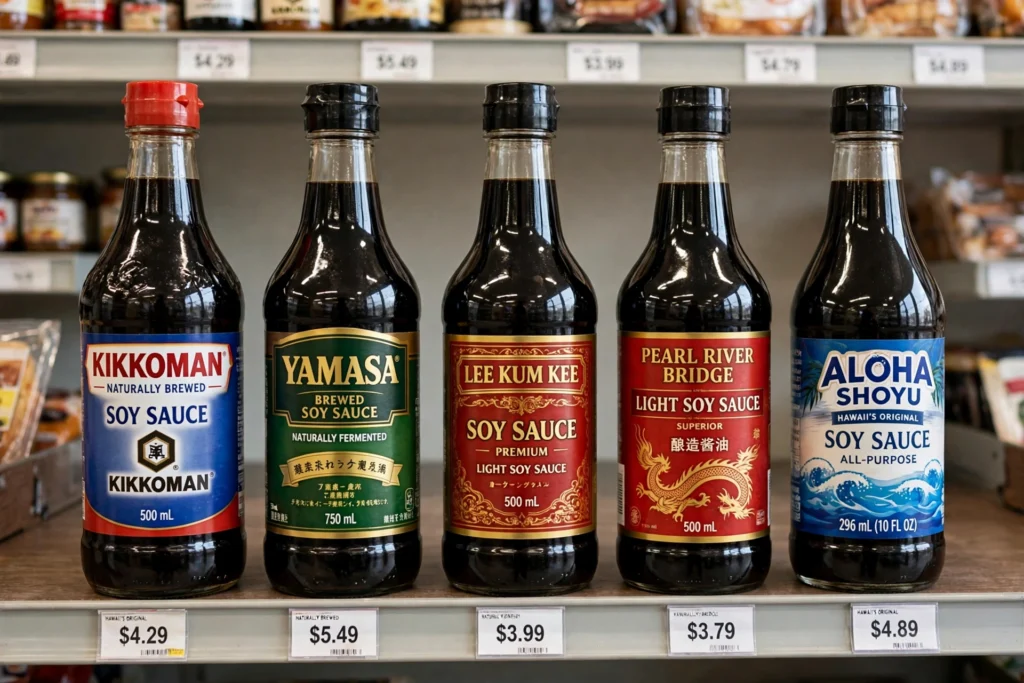
To choose good soy sauce, look for “naturally brewed” or “traditionally brewed” on the label — it means real fermentation, not quick chemical hydrolysis. The ingredient list should be short: soybeans, wheat, salt, and water. Dark, rich color and a complex savory aroma signal quality; harsh saltiness with little depth suggests a cheaper quick-brewed product. […]

Read the guide
Grains & pantry2 min read

How to Choose Rice: Types, Labels, and Freshness

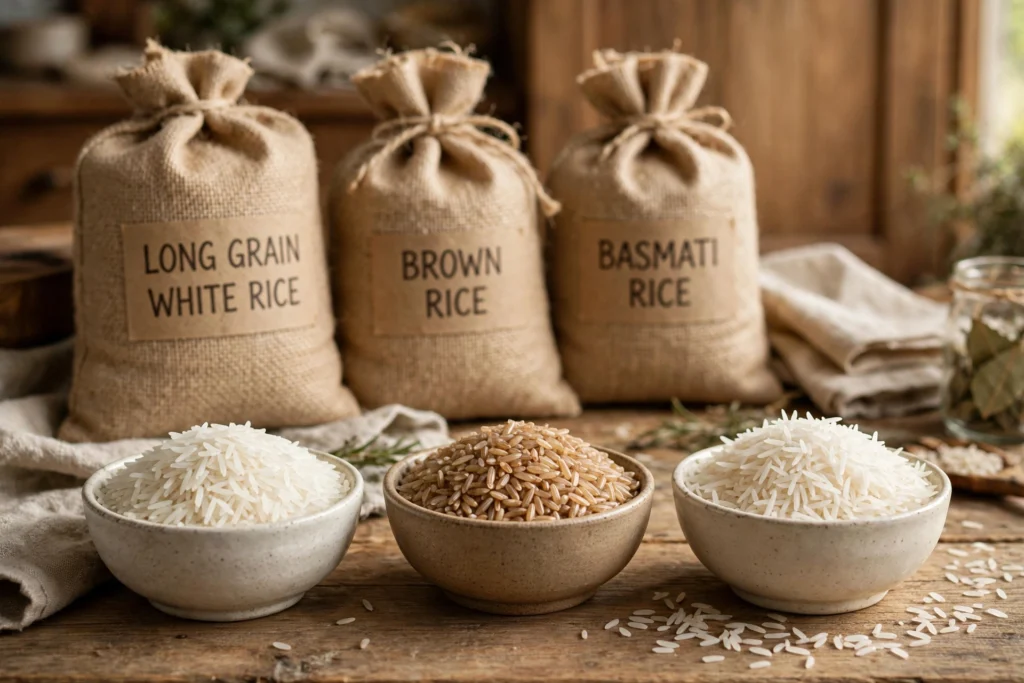
To choose good rice, match the grain to the dish — long-grain for fluffy pilafs, medium-grain for everyday bowls, short-grain for sticky sushi and risotto. Check the bag for intact packaging, clear variety labeling, and no dust, broken grains, or off smells. White rice keeps for years; brown rice has a shorter pantry life because […]

Read the guide
Grains & pantry2 min read

How to Store Spices: Light, Heat, and Freshness

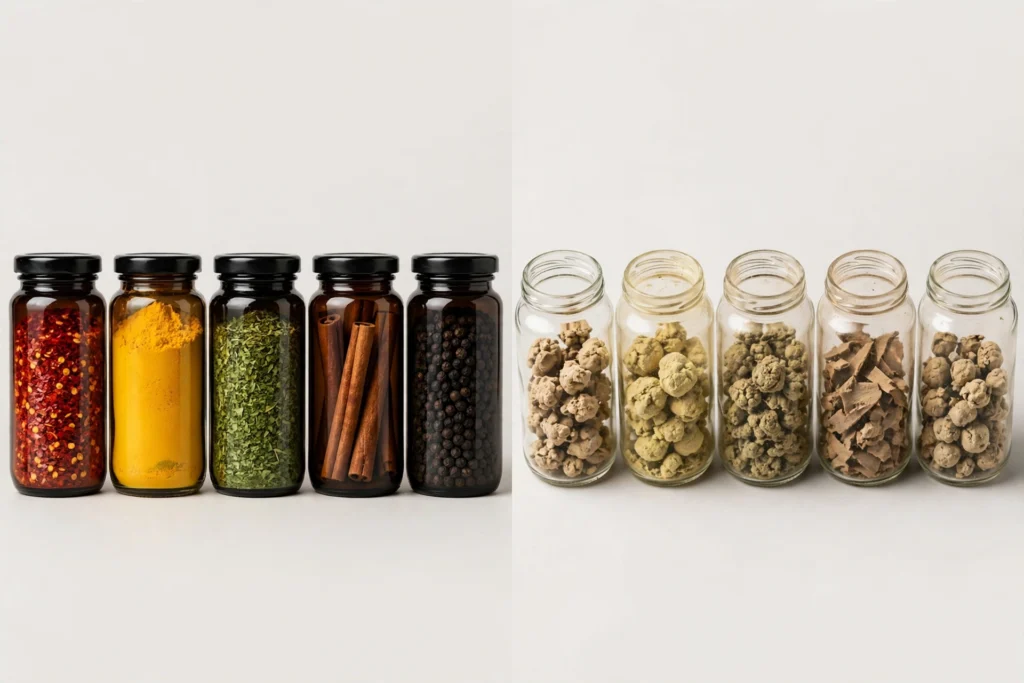
To keep spices potent, store them in a cool, dark place in airtight containers — not above the stove, where heat and steam kill flavor fast. Whole spices last far longer than ground: whole peppercorns and cinnamon sticks keep for years, while ground spices fade in months. Test freshness by smell — if you have […]

Read the guide
Grains & pantry2 min read

How to Choose Canned Tomatoes: Labels and Types

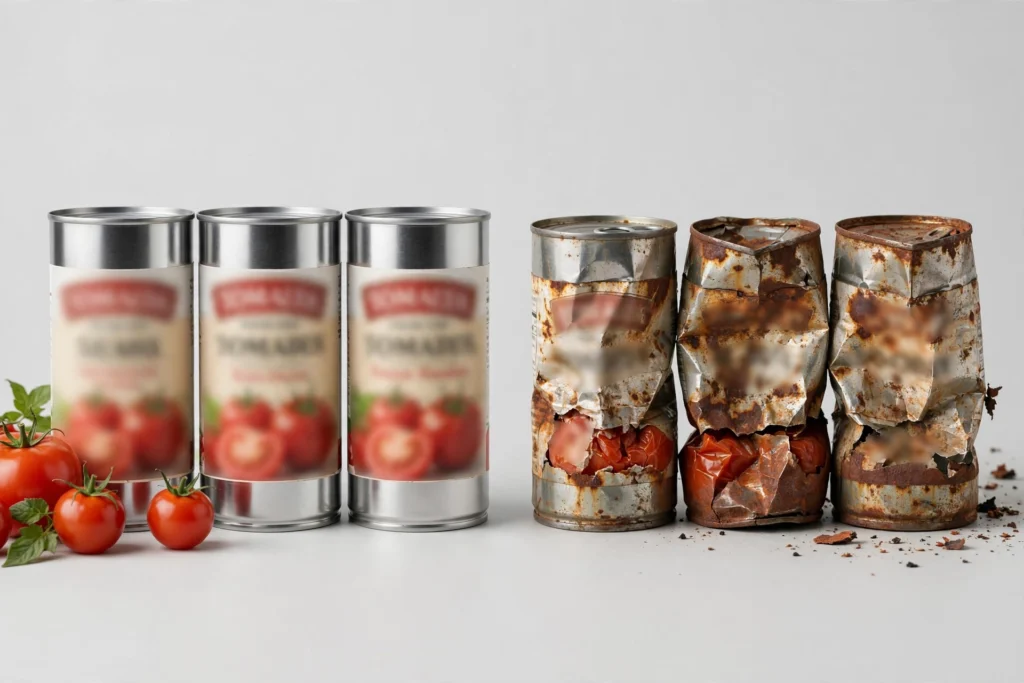
To choose good canned tomatoes, start with the type: whole peeled tomatoes are the most versatile and usually the best quality, since producers pack their best fruit whole. Read the ingredient list — tomatoes, juice, salt, and maybe basil or citric acid is all you need. Avoid cans with dents on the seams, and prefer […]

Read the guide
Grains & pantry2 min read

How to Choose Peanut Butter: Labels and Ingredients

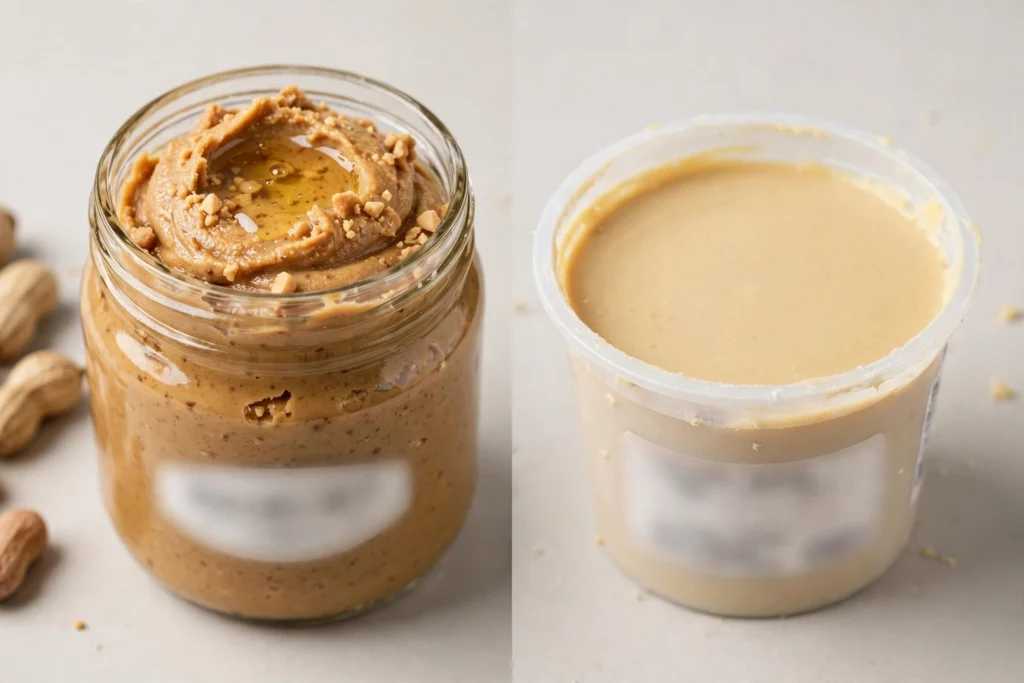
To choose good peanut butter, read the ingredient list — the best natural versions list just peanuts and salt. Oil separation on top is normal for natural peanut butter, not a flaw; stir it once and store upside down. “No-stir” versions add palm oil and sugar for convenience — pick by your priority: purity or […]

Read the guide
Grains & pantry2 min read

How to Choose Bread: Labels and Freshness

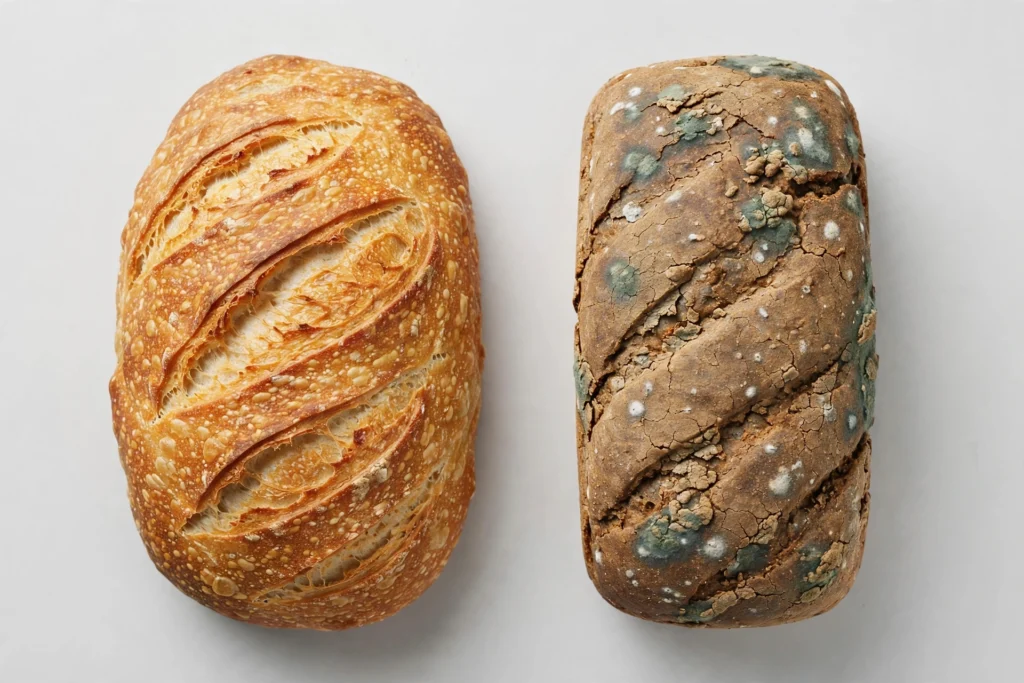
To choose good bread, read the ingredient list — “whole wheat” should mean whole-wheat flour is the first ingredient, not just caramel-colored white bread. Check the date, squeeze gently for softness (without crushing), and look for a well-formed loaf with no mold. For the freshest bread, buy from bakeries with high turnover or bake-day labeling. […]

Read the guide