
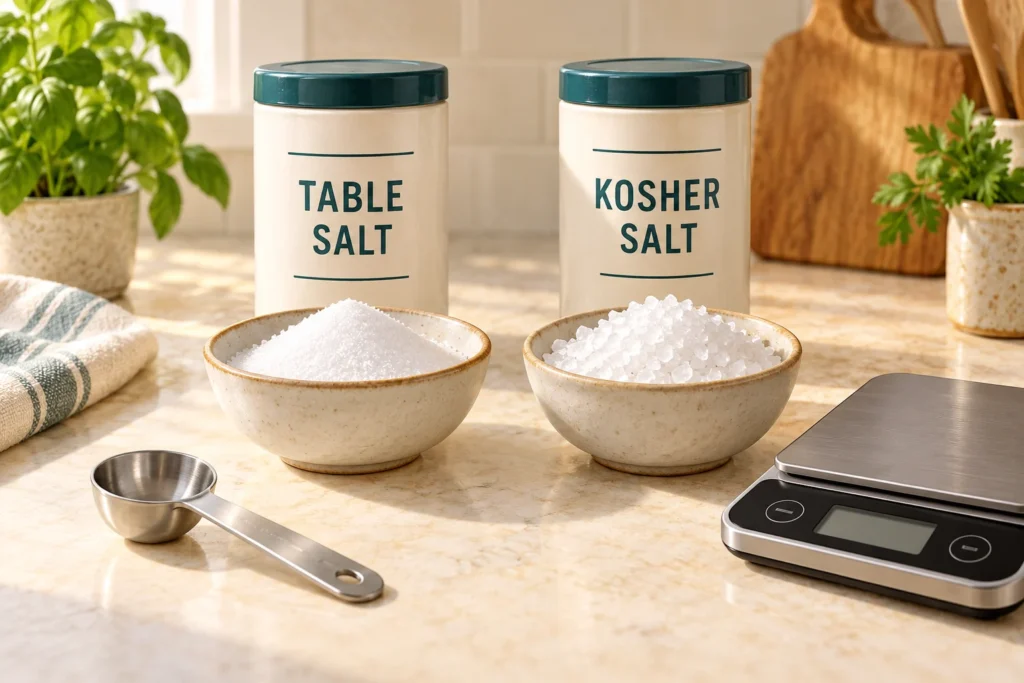
Kosher vs. Table Salt: Why the Brand and Measurement Matter
Equal spoonfuls of different salts can have different weights. Check the recipe’s salt type and brand, then use its gram amount or product-specific guidance.
Read the guideRice, beans, grains, and shelf staples.
Equal spoonfuls of different salts can have different weights. Check the recipe’s salt type and brand, then use its gram amount or product-specific guidance.
Read the guide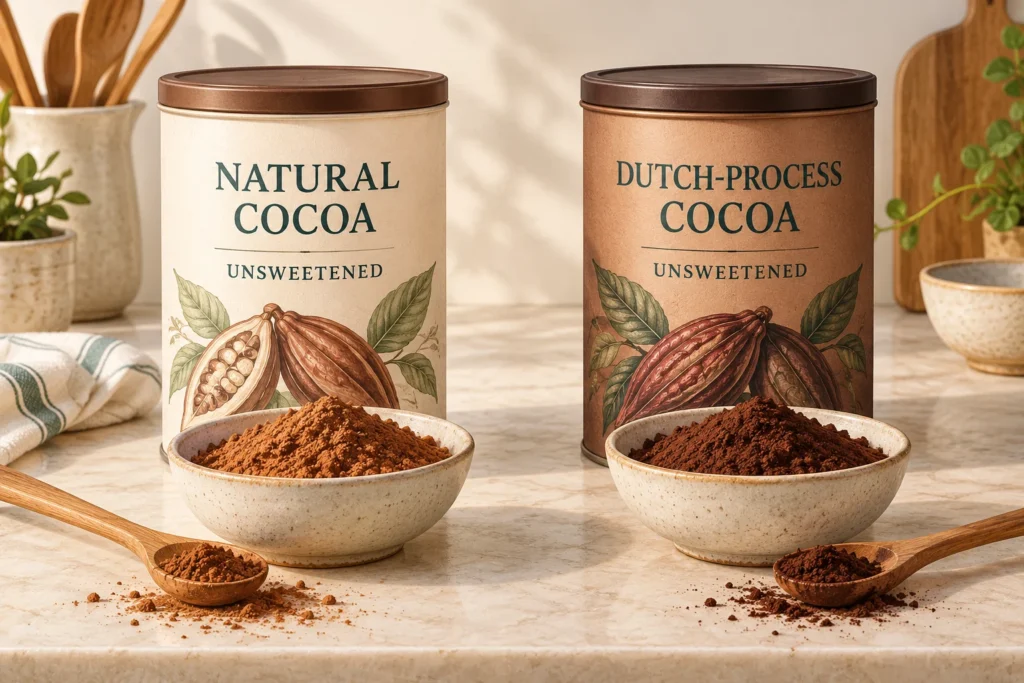
Natural and Dutch-process cocoa differ in processing. Read the product description, distinguish unsweetened cocoa from drink mix, and check recipe flexibility.
Read the guide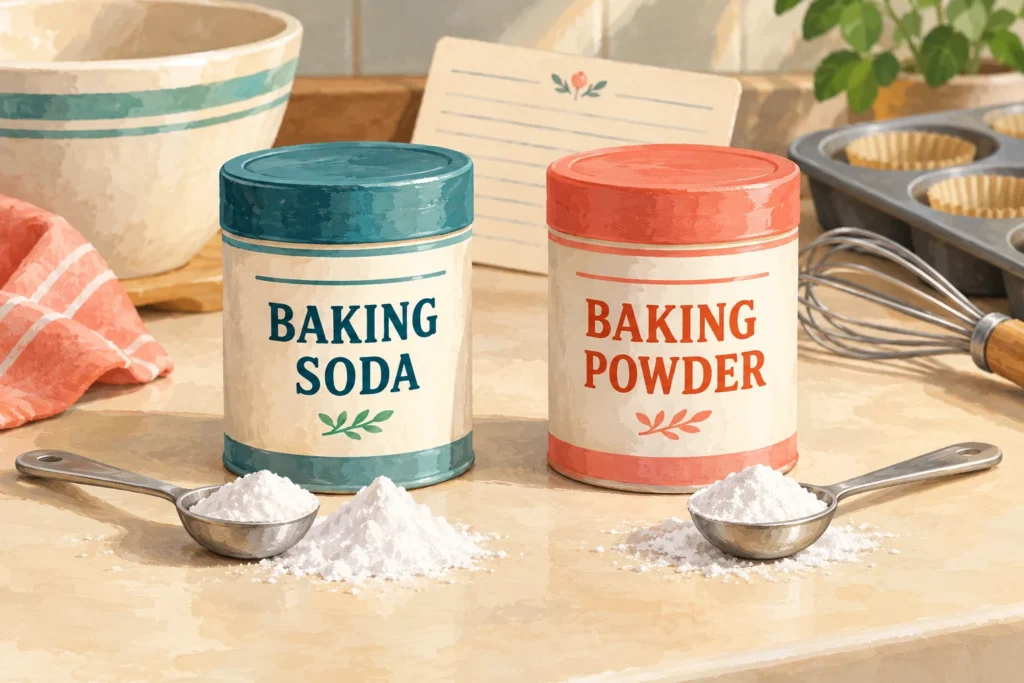
Baking soda and baking powder are different leaveners. Check the recipe, double-acting wording, measurements, and storage before buying or substituting.
Read the guide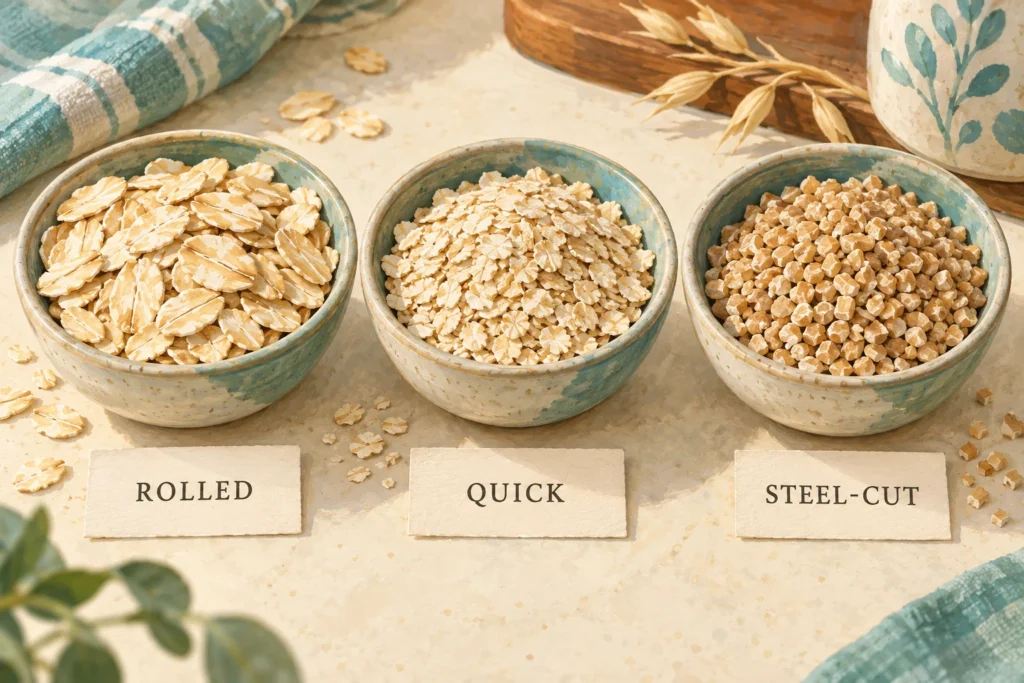
Choose rolled, quick, or steel-cut oats for your breakfast or baking recipe. Compare grain form, preparation directions, and substitutions before buying.
Read the guide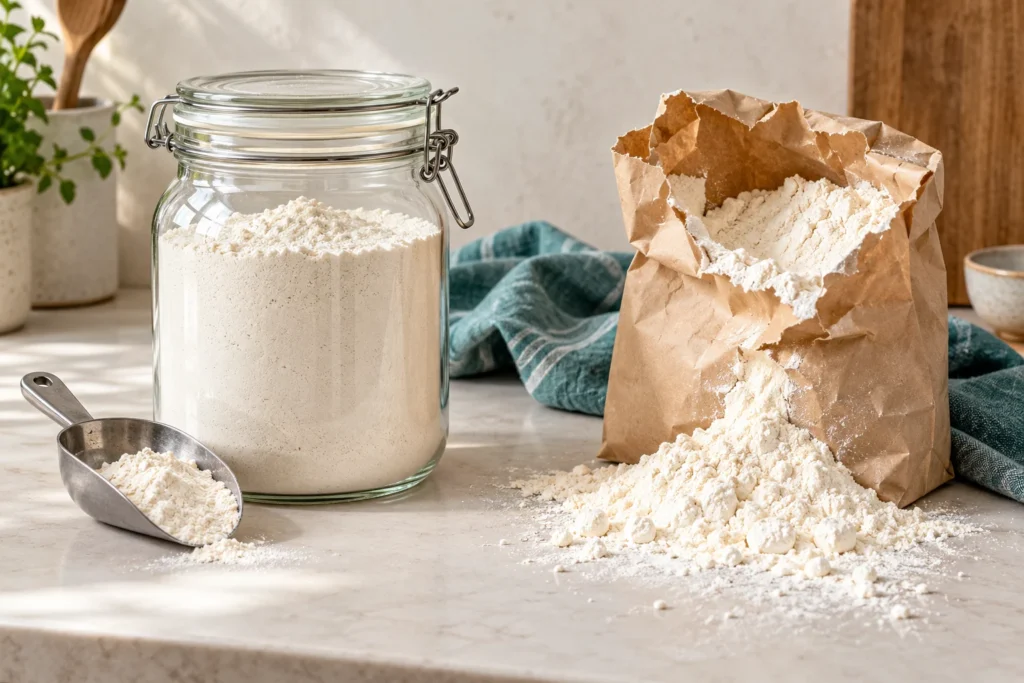
Store flour with attention to its type, packaging, moisture, and product instructions. Learn why tasting raw flour is not a freshness check.
Read the guide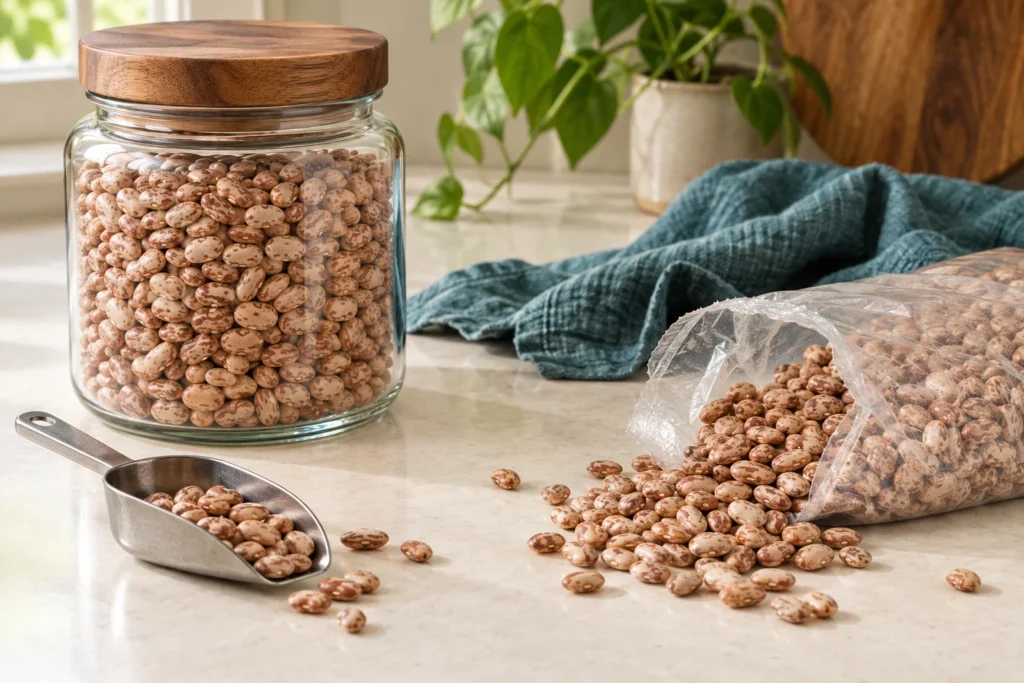
Choose dry beans by checking the variety, package condition, cooking directions, quantity, and storage plan rather than expecting every old bag to cook alike.
Read the guide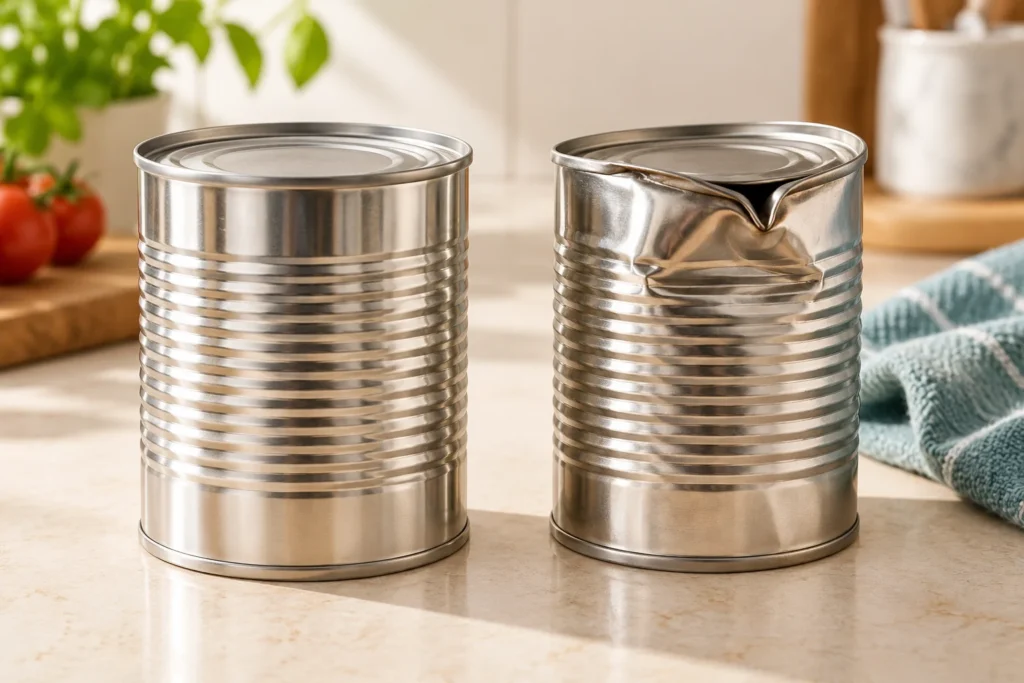
Check canned-food packaging for deep dents, seam damage, bulging, leaks, and serious rust. Learn why a discount or normal smell cannot settle the question.
Read the guide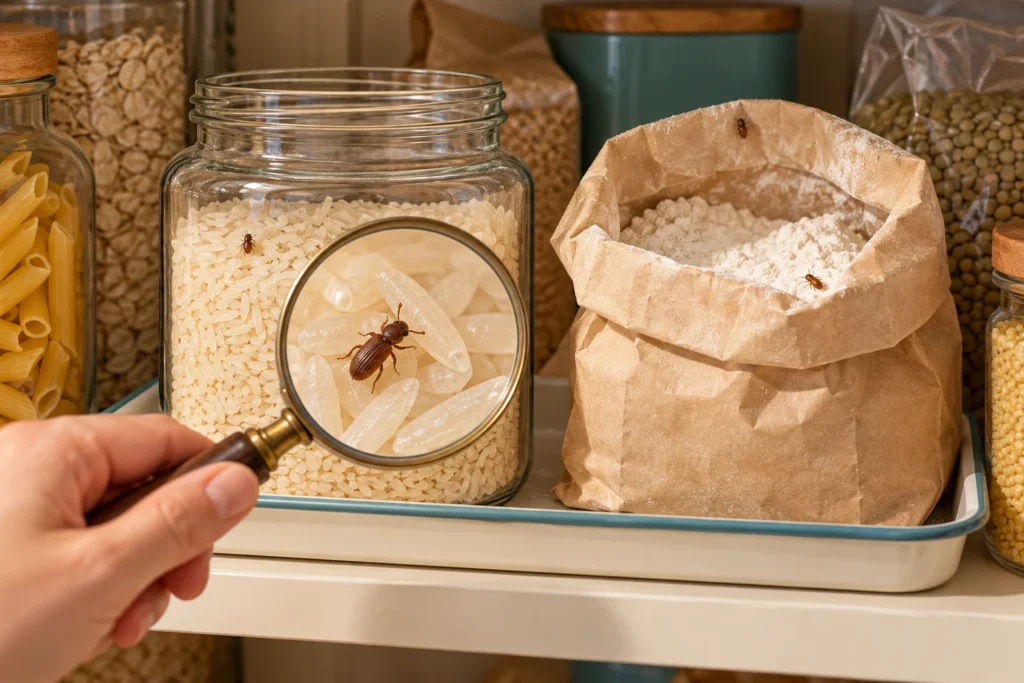
Find and address pantry pests in rice, flour, and other dry foods with a practical inspection routine, source removal, and better storage habits.
Read the guide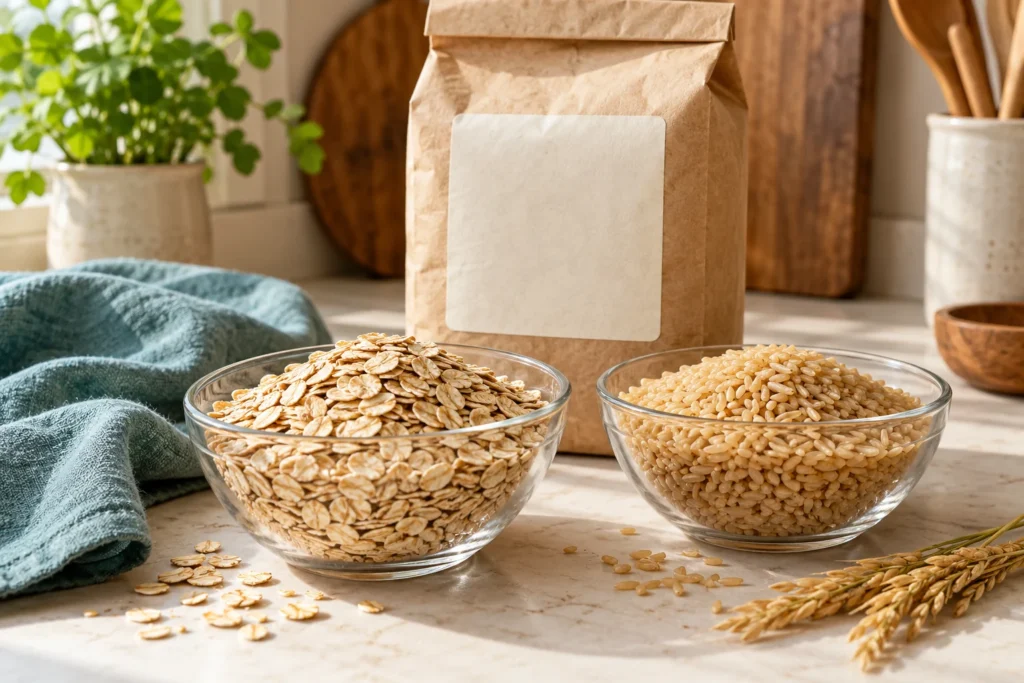
Check whole-grain ingredients, serving size, and product descriptions when buying bread, oats, or cereal. Dark color and front-label wording are not enough.
Read the guide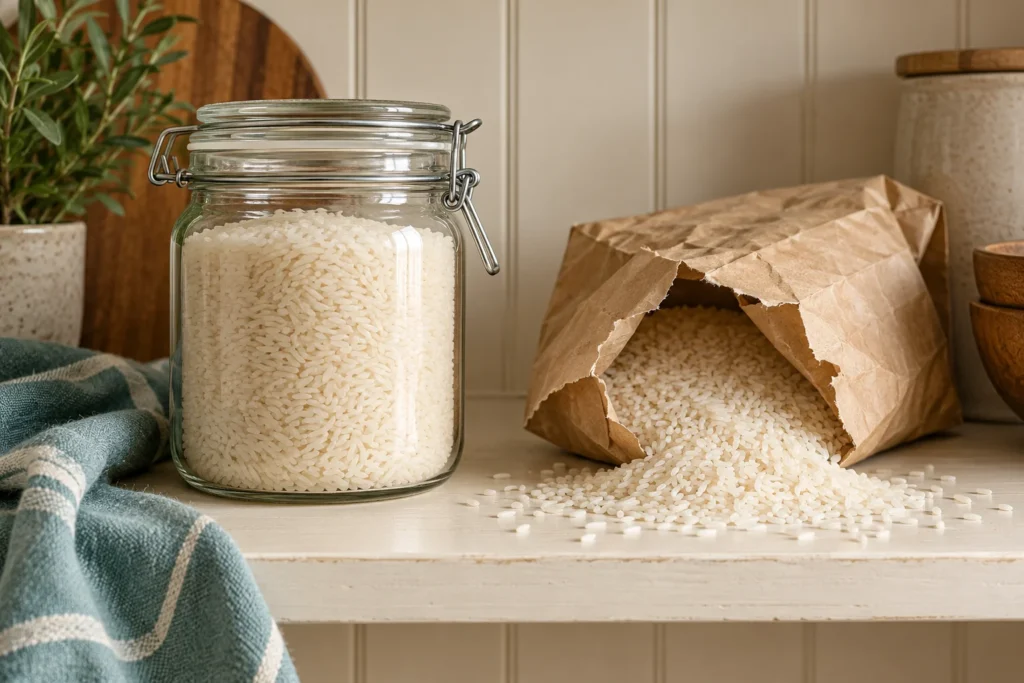
Keep uncooked rice organized with a dry, well-sealed container, the original product details, smaller buying quantities, and a simple rotation system.
Read the guide