fresh decoded.
Read, understand, choose

All guides

Practical guides to quality, taste, labels, and storage.

Explore by food topic

Latest guides

Storage4 min read

How to Store Eggs (and How Long They Last)

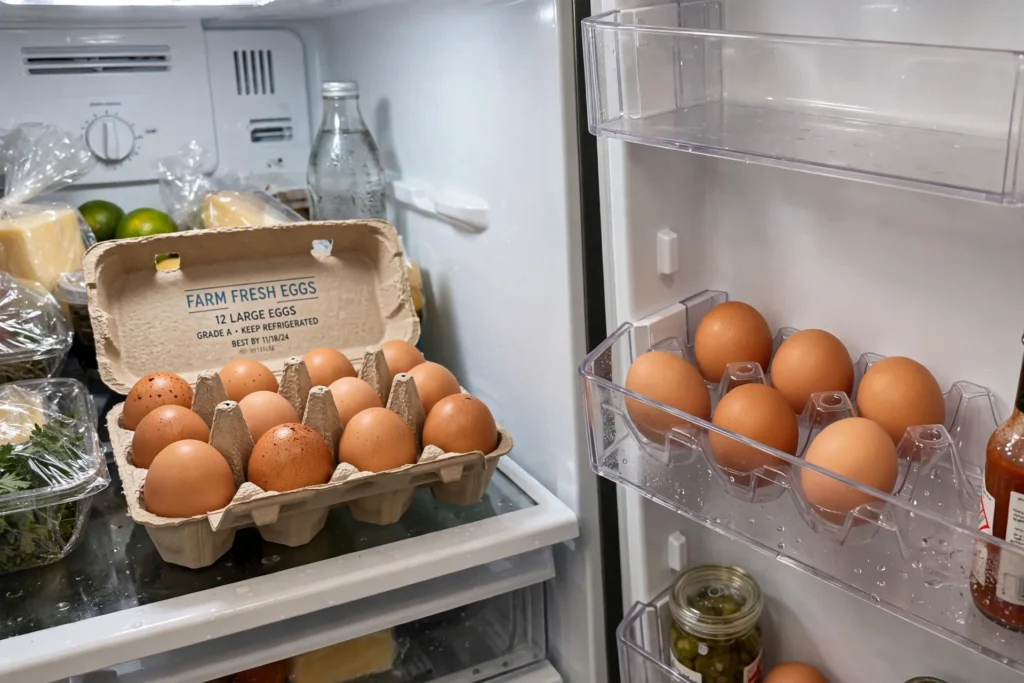
Store eggs in their original carton, in the main body of the fridge — not the door — at or below 40°F (4°C). Kept that way, shell eggs typically keep for three to five weeks from packing, often a week or two past the date on the carton if they have stayed cold. The carton […]

Read the guide
Shopping tips4 min read

Store Brand vs. Name Brand: How to Compare

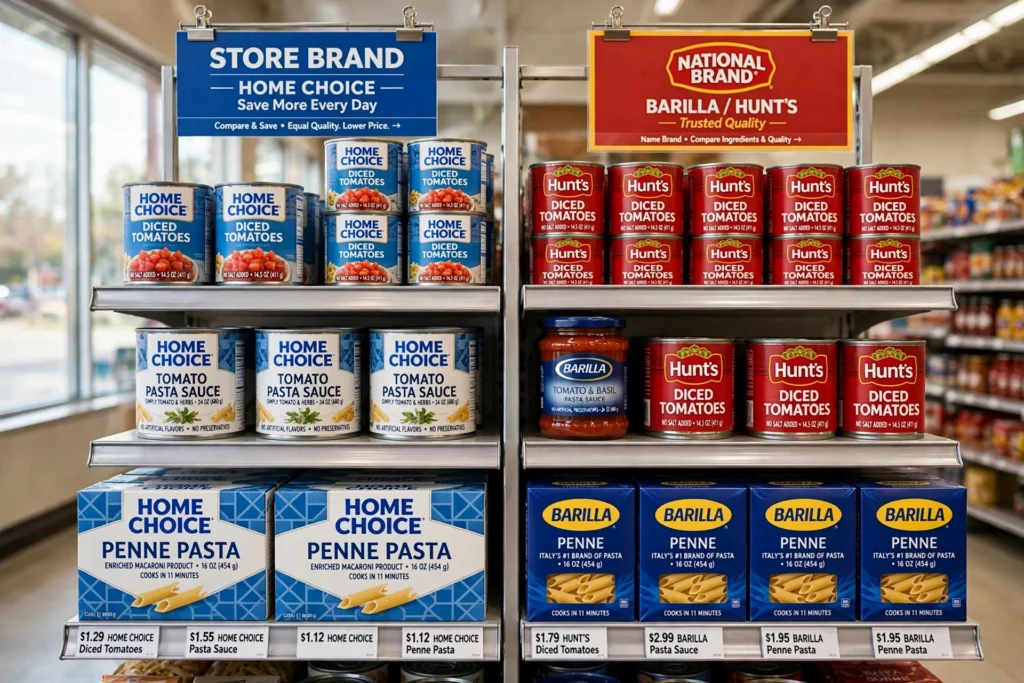
Store-brand foods are often made to similar recipes — sometimes in the same facilities — as name brands, but they usually cost less because there is less advertising behind them. The honest answer to store brand vs. name brand is: it depends on the product. Compare the ingredient list, the unit price, and the nutrition […]

Read the guide
Shopping tips4 min read

How to Shop Marked-Down Meat Safely

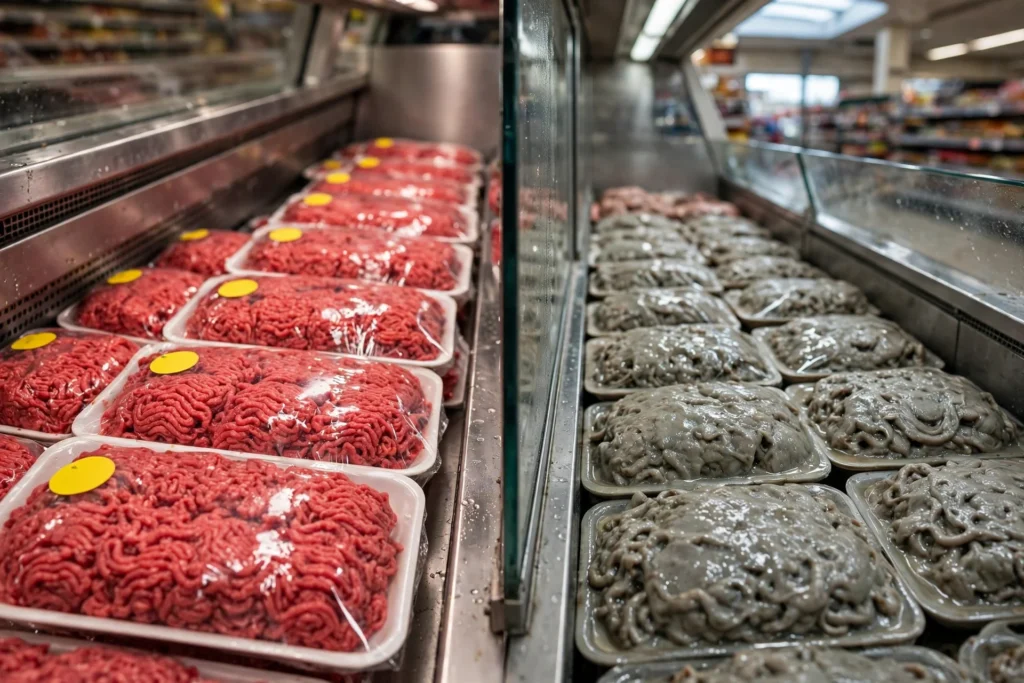
Marked-down meat can be a smart way to save money, but only if you buy it carefully and use it quickly. Look for packages with a sell-by date of today or tomorrow, firm texture, normal color for that cut, intact packaging, and no sour or off smell — and plan to cook or freeze it […]

Read the guide
Shopping tips4 min read

Organic vs. Conventional Produce: What the Labels Really Mean

An organic label on produce means the food was grown and handled under a defined set of standards — in the U.S., the USDA organic seal certifies that approved methods were followed and most synthetic pesticides and fertilizers were not used. It does not, by itself, guarantee that a particular item is fresher, safer, or […]

Read the guide
Grains & pantry4 min read

White vs. Brown Sugar: When It Matters in Cooking

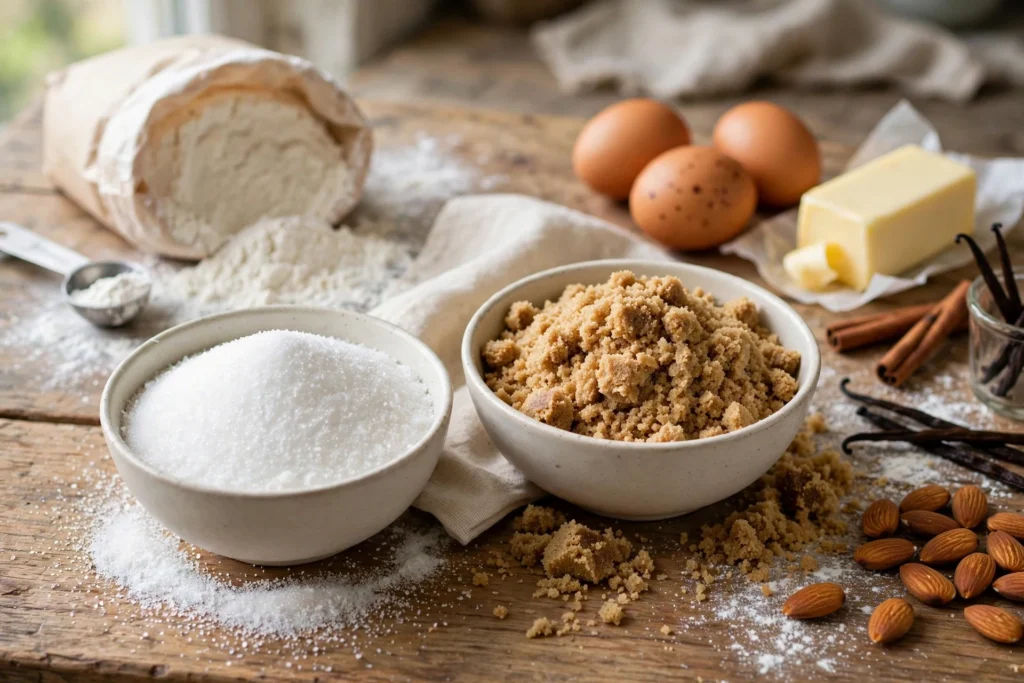
The difference between white and brown sugar is molasses. Brown sugar is white sugar with molasses added back, which gives it moisture, a deeper caramel-like flavor, and a soft, packable texture. Swapping them changes chewiness in cookies, color in sauces, and tenderness in baked goods — sometimes a little, sometimes enough to matter. AI-generated image […]

Read the guide
Grains & pantry4 min read

How to Choose Lentils: Red, Green, and Brown

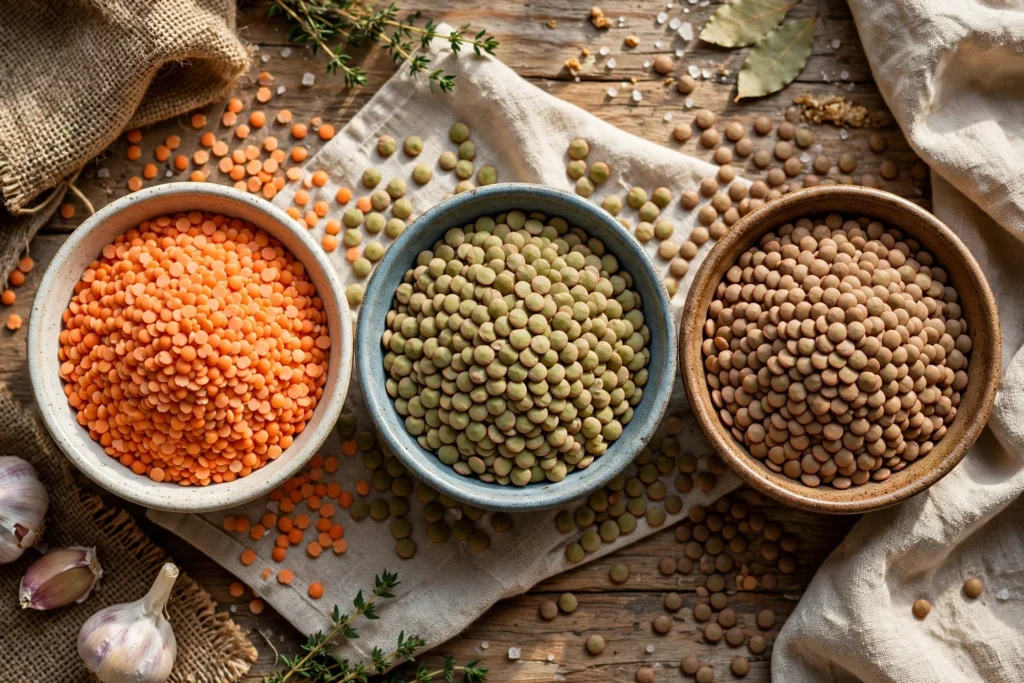
To choose lentils, match the type to the texture you want: red and yellow lentils cook fast and fall apart into a soft puree for soups and dals, while brown and green lentils hold their shape better for salads and side dishes. Look for bags of evenly colored, whole-looking lentils with no dust, shriveled pieces, […]

Read the guide
Grains & pantry4 min read

Stock vs. Broth: What’s the Difference and When to Use Each

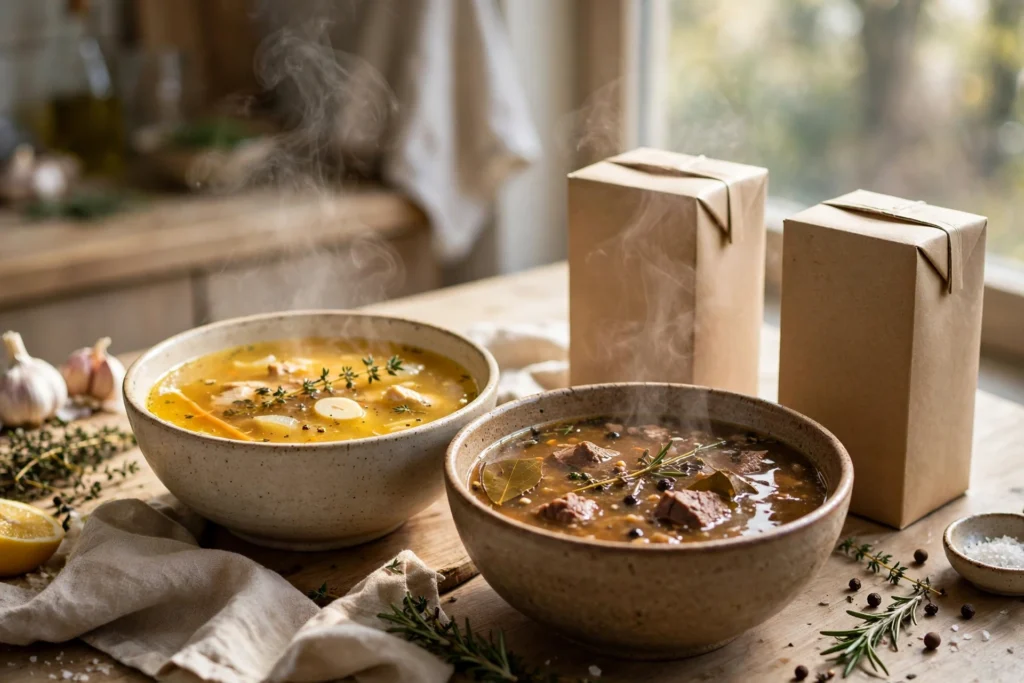
The classic difference is ingredients and body: stock is traditionally made from bones, giving it a richer, more gelatinous texture, while broth is made mainly from meat and vegetables and is lighter and ready to sip on its own. In today’s supermarkets the words are often used loosely, so the ingredient list and sodium level […]

Read the guide
Dairy & eggs4 min read

Heavy Cream vs. Whipping Cream: What’s the Difference?

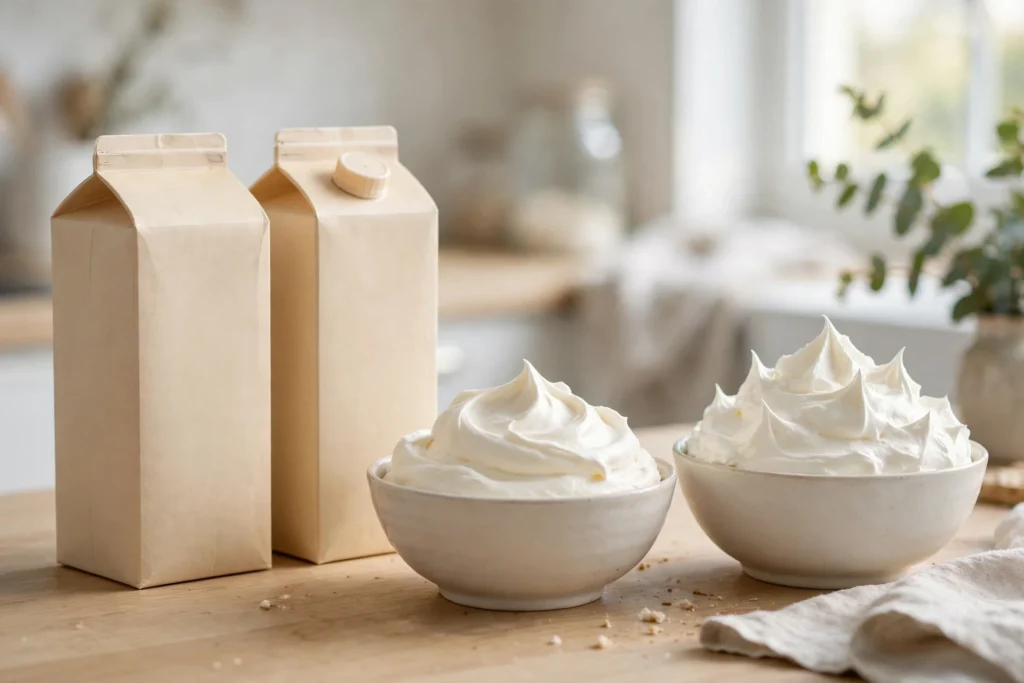
The difference between heavy cream and whipping cream is fat content. Heavy cream — also labeled heavy whipping cream — contains at least 36% milk fat, while regular whipping cream contains roughly 30–35%. That small gap matters most for whipped cream that needs to hold stiff peaks and for rich sauces; in most cooking, the […]

Read the guide
Dairy & eggs4 min read

How to Choose Feta Cheese

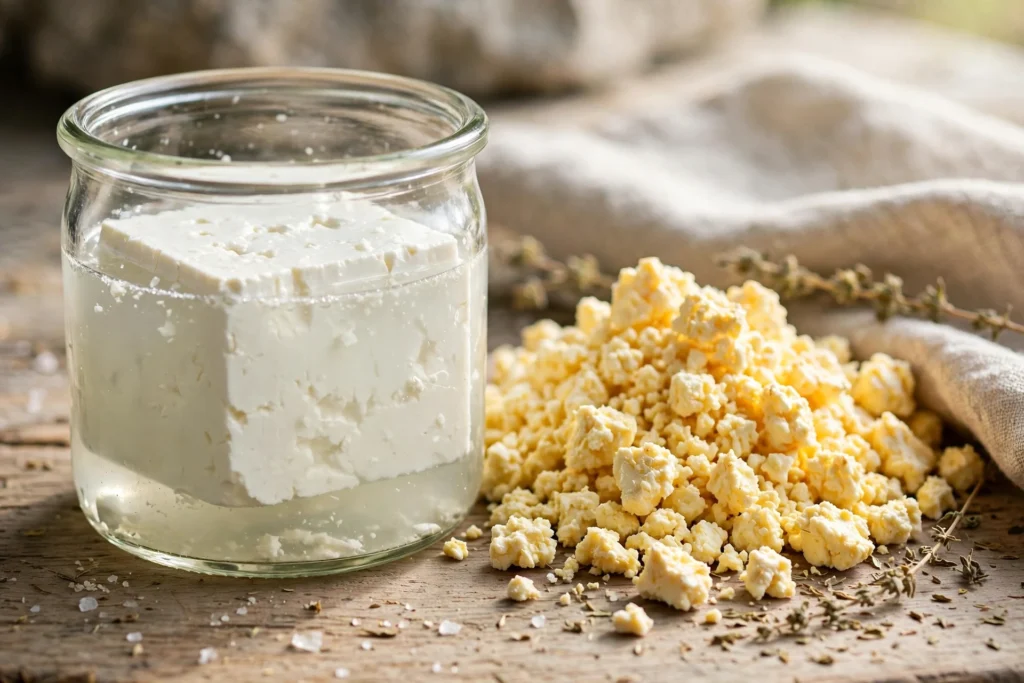
To choose good feta, look for bright white cheese with a clean, tangy smell and a texture that matches how you will use it — firm enough to cube for salads, or softer and creamier for spreading and baking. Blocks stored in brine usually taste fresher and keep better than pre-crumbled tubs. Check that the […]

Read the guide
Dairy & eggs4 min read

How to Choose Blue Cheese

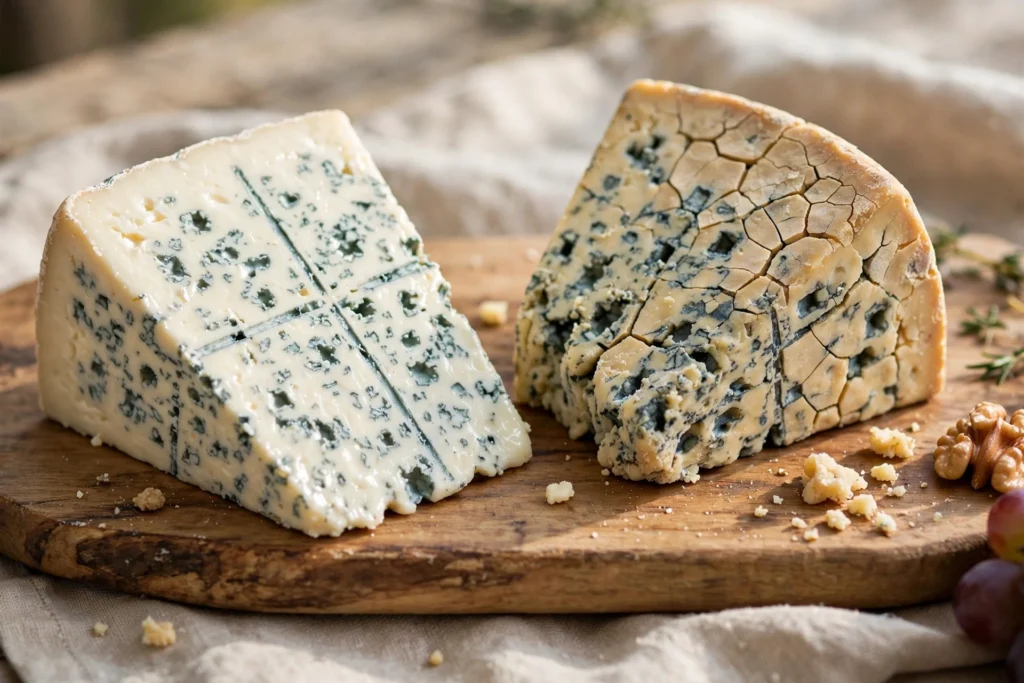
To choose blue cheese you will enjoy, start with style: mild, creamy blues are spreadable and gently tangy, while firmer, longer-aged blues are sharper, saltier, and more crumbly. Good blue cheese should smell pungent but pleasant — earthy and savory rather than harsh or ammonia-like — with blue-green veining spread through the paste and a […]

Read the guide
Fish & seafood4 min read

Farmed vs. Wild Salmon: What the Labels Tell You

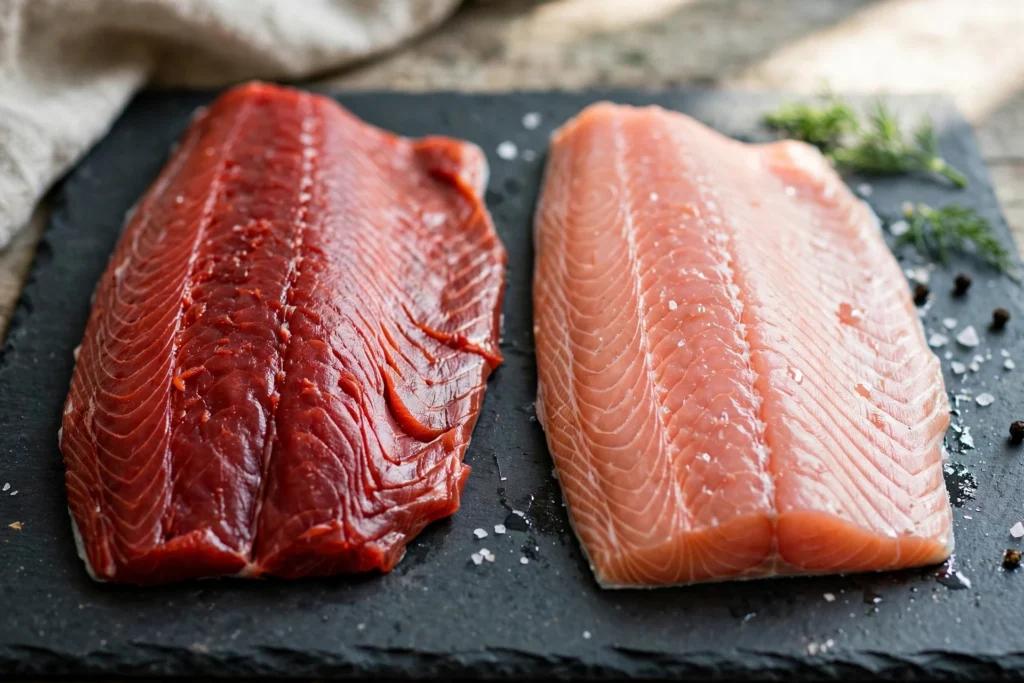
Farmed and wild salmon differ in species, color, fat, price, and flavor, and the label tells you which you are getting if you know where to look. Wild salmon is usually a named Pacific species such as sockeye or king, with deeper color and leaner flesh, while farmed salmon is almost always Atlantic salmon, paler […]

Read the guide
Fish & seafood3 min read

How to Choose Halibut

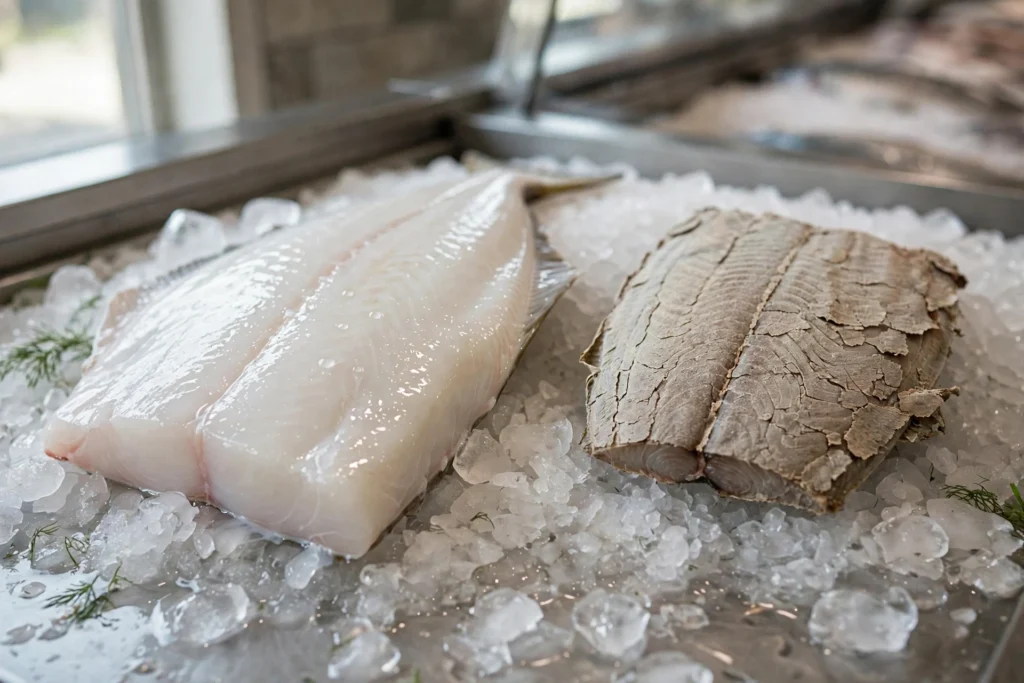
To choose good halibut, look for bright, glossy white flesh that looks moist and slightly translucent, with a clean, mild smell. The fillet should feel firm and spring back when pressed, with tight flakes and no gaping seams. Avoid pieces that look dull, yellowed, dry at the edges, or that smell sour or strongly fishy. […]

Read the guide
1 … 3 4 5 6 7 … 22
🌐 Language
Read in your language Open Google translation ↗ Opens this public page in Google Translate. Automatic translations may contain errors. Google processes the page URL and translation requests. Privacy & cookies