fresh decoded.
Read, understand, choose

All guides

Practical guides to quality, taste, labels, and storage.

Explore by food topic

Latest guides

Vegetables2 min read

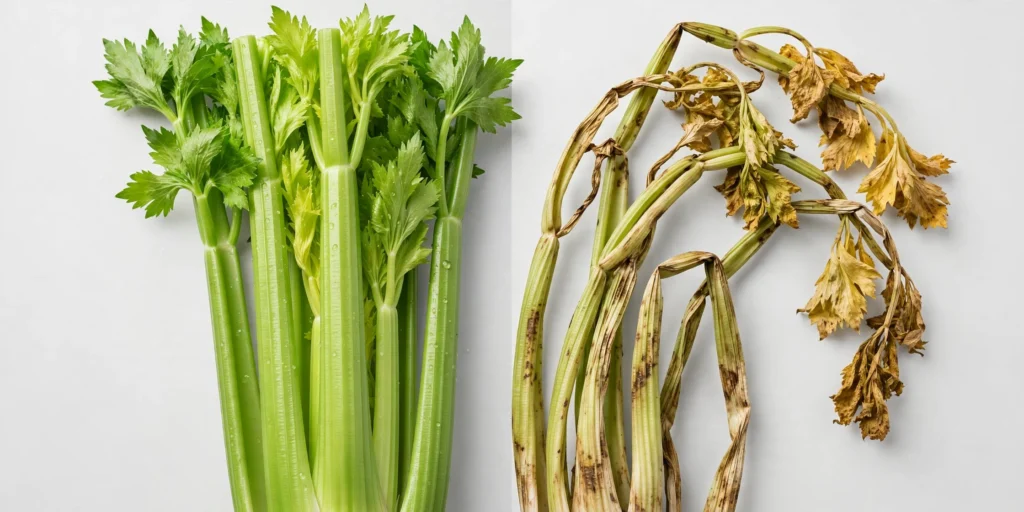
How to Choose Crisp Celery: Stalks, Leaves, and Snap

To choose crisp celery, look for firm, rigid stalks that snap cleanly when bent — limp stalks mean age. The leaves should look fresh and green, and the heart stalks should be pale green to whitish. Give it a sniff: fresh celery smells clean and vegetal, never sour. AI-generated image • Not a tested sample. […]

Read the guide
Vegetables2 min read

How to Choose Sweet Potatoes: Skin, Firmness, and Shape

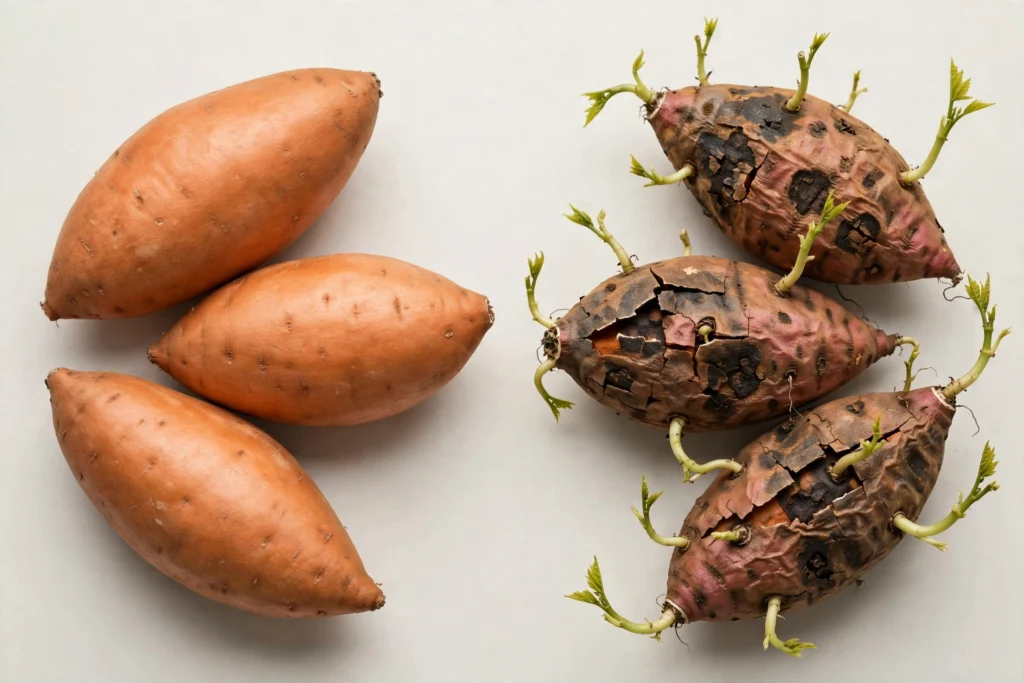
To choose good sweet potatoes, pick firm, smooth-skinned tubers with a tapered shape and no cracks, bruises, or soft spots. The skin should look clean and intact, with even color for the variety. Avoid any with sprouts, shriveling, or white liquid oozing from cuts — and skip refrigerated ones, since cold damages their texture. AI-generated […]

Read the guide
Vegetables2 min read

How to Choose Eggplant: Weight, Skin, and Freshness

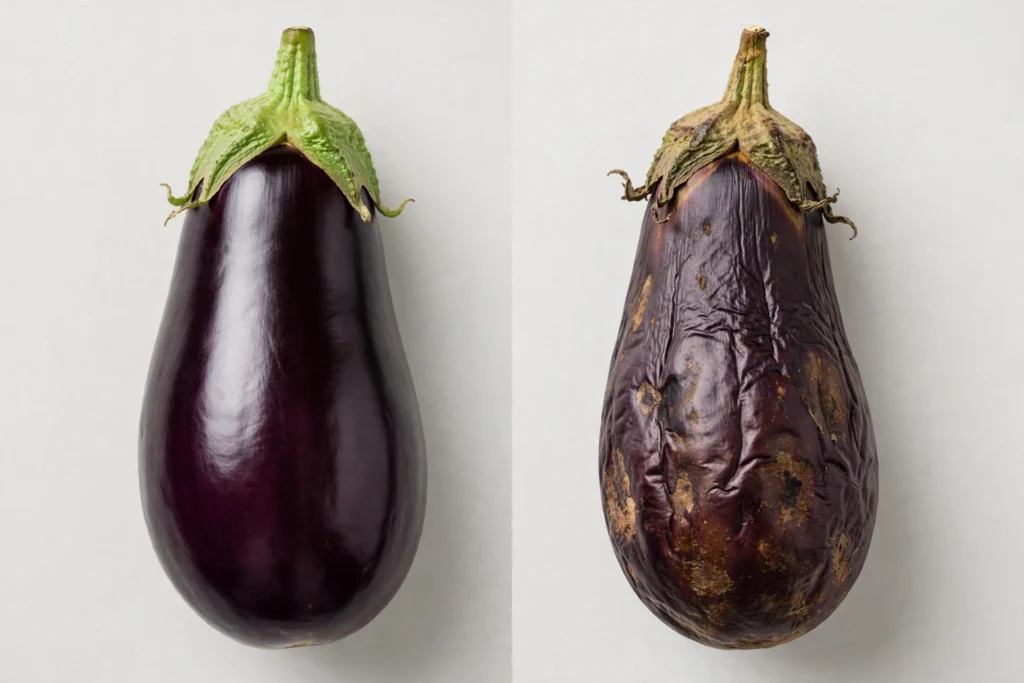
To choose the best eggplant, pick one that feels heavy for its size with glossy, taut skin free of blemishes. Press it gently — the flesh should spring back, not stay dented. The green cap (calyx) should look fresh, and smaller eggplants are usually sweeter with fewer seeds. AI-generated image • Not a tested sample. […]

Read the guide
Vegetables2 min read

How to Choose Zucchini: Size, Skin, and Firmness

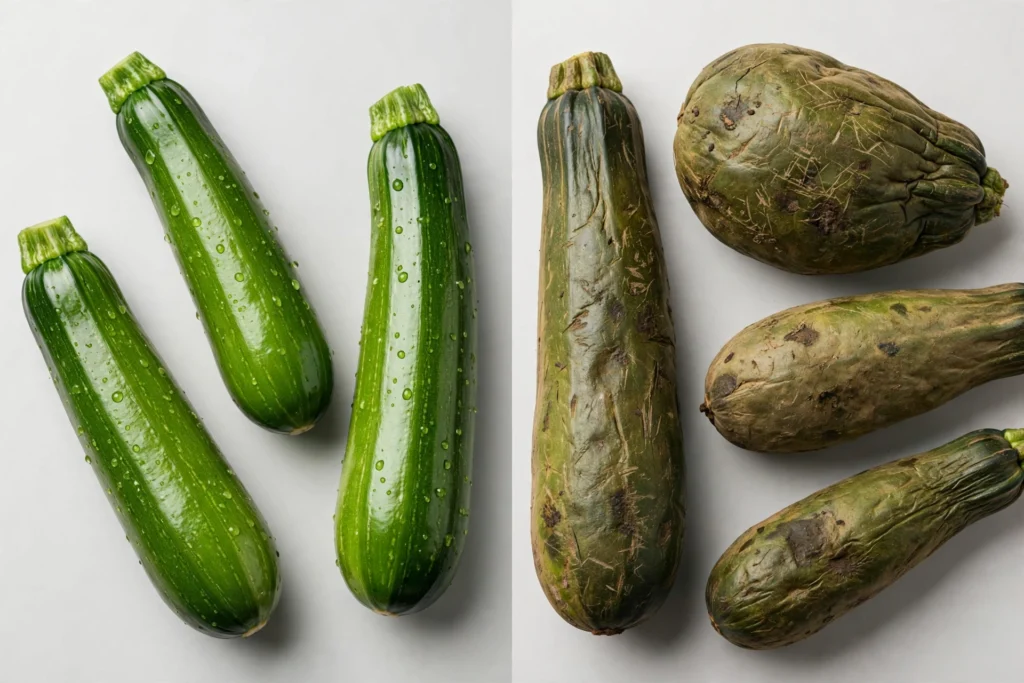
To choose the best zucchini, pick small to medium ones — about 6 to 8 inches — with glossy, firm skin and no soft spots. Smaller zucchini are more tender and flavorful; oversized ones tend to be watery with large seeds. The stem should look fresh and green, not dried out. AI-generated image • Not […]

Read the guide
Vegetables2 min read

How to Choose Fresh Cauliflower: Color, Curds, and Leaves

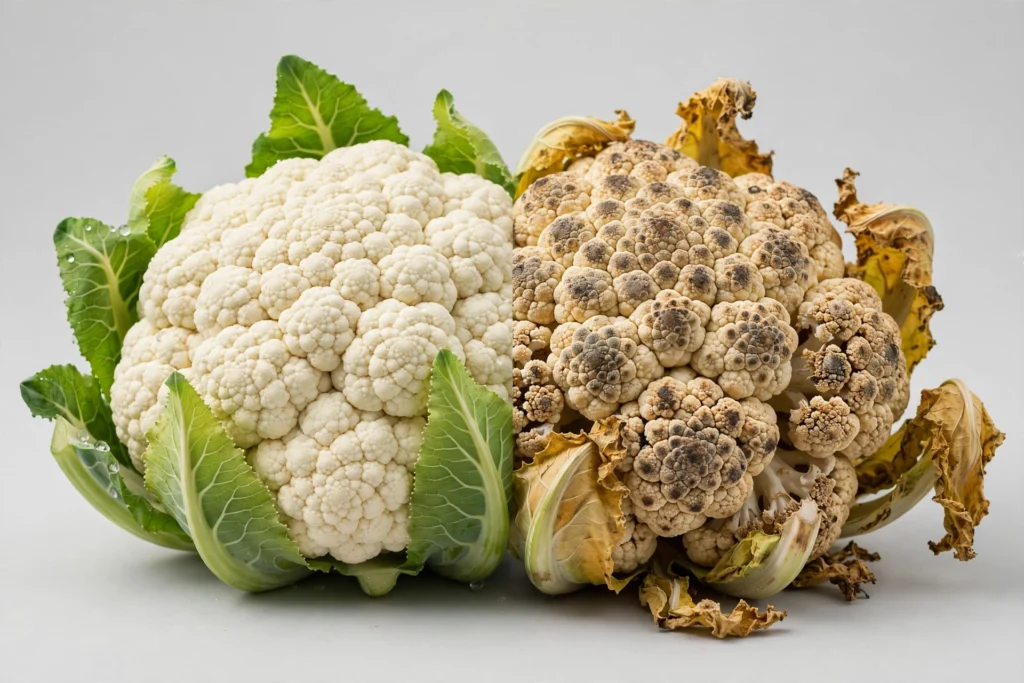
To choose fresh cauliflower, look for tight, creamy-white curds packed densely together, with fresh green leaves still attached. The head should feel heavy and firm. Avoid brown spots, loose spreading florets, or a strong smell — these signal age. AI-generated image • Not a tested sample. Appearance cannot confirm safety. Prefer Tight, dense, creamy-white curds […]

Read the guide
Vegetables2 min read

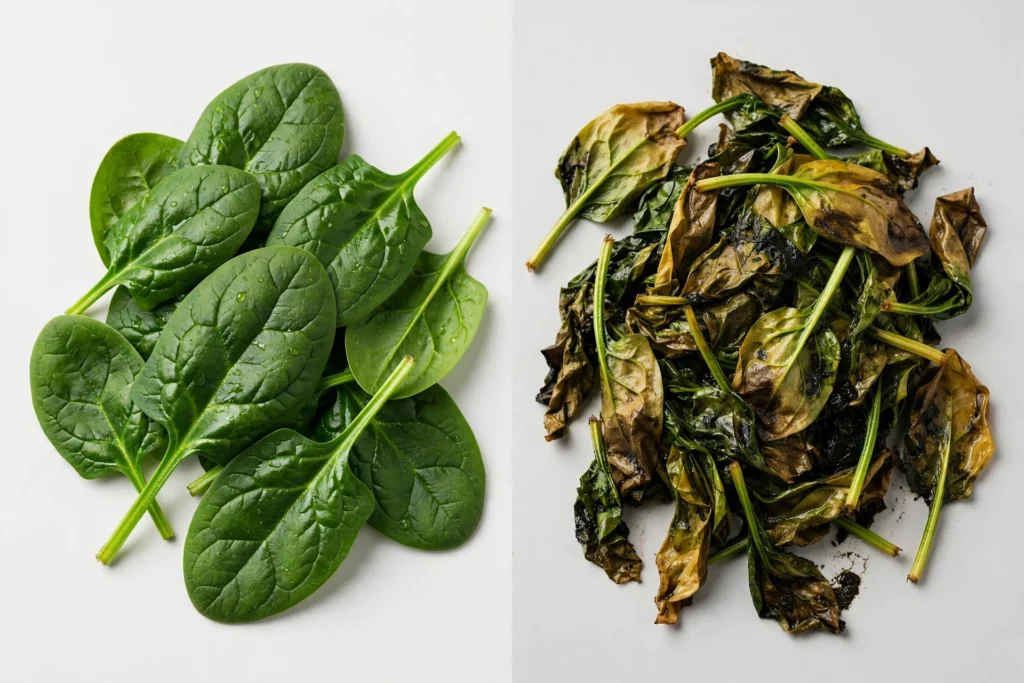
How to Choose Fresh Spinach: Color, Leaves, and Stems

To choose fresh spinach, look for deep green, crisp leaves with no yellowing, wilting, or sliminess. The leaves should look perky and hydrated, and the bunch should smell fresh and green — never sour. For bagged spinach, check the bottom of the bag for hidden moisture and decay. AI-generated image • Not a tested sample. […]

Read the guide
Fruit2 min read

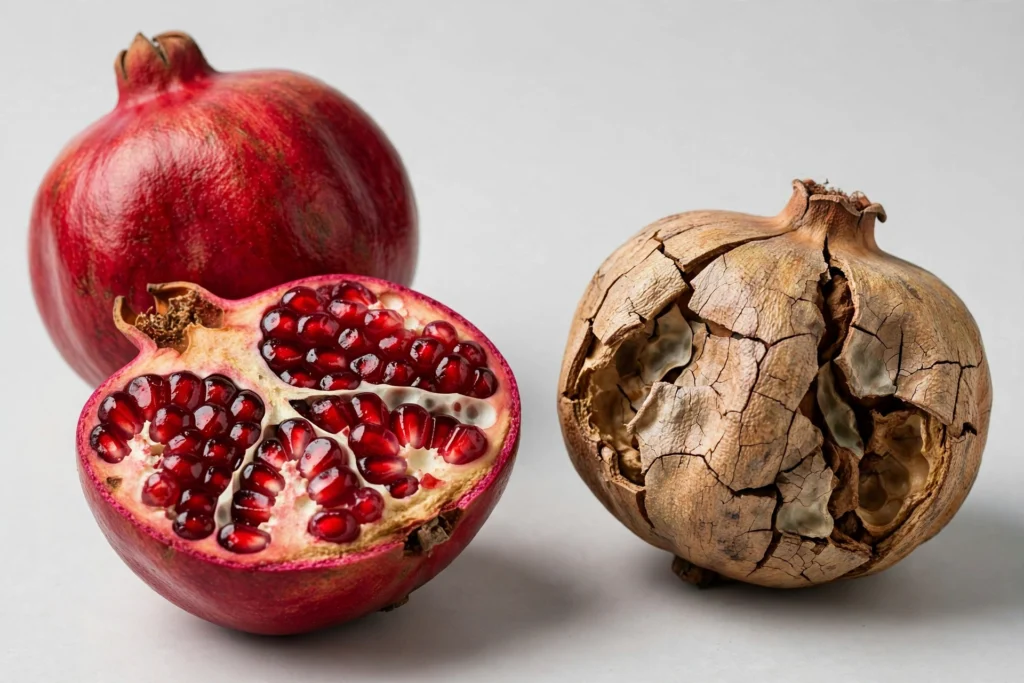
How to Choose a Ripe Pomegranate: Weight, Skin, and Sound

To choose a ripe pomegranate, pick the heaviest fruit of similar size — weight means juice-filled arils inside. The skin should look leathery and slightly angular rather than perfectly round and shiny, with deep red color. Tap it: a ripe pomegranate gives a metallic, tinny ring, while an unripe one sounds dull and woody. AI-generated […]

Read the guide
Fruit2 min read

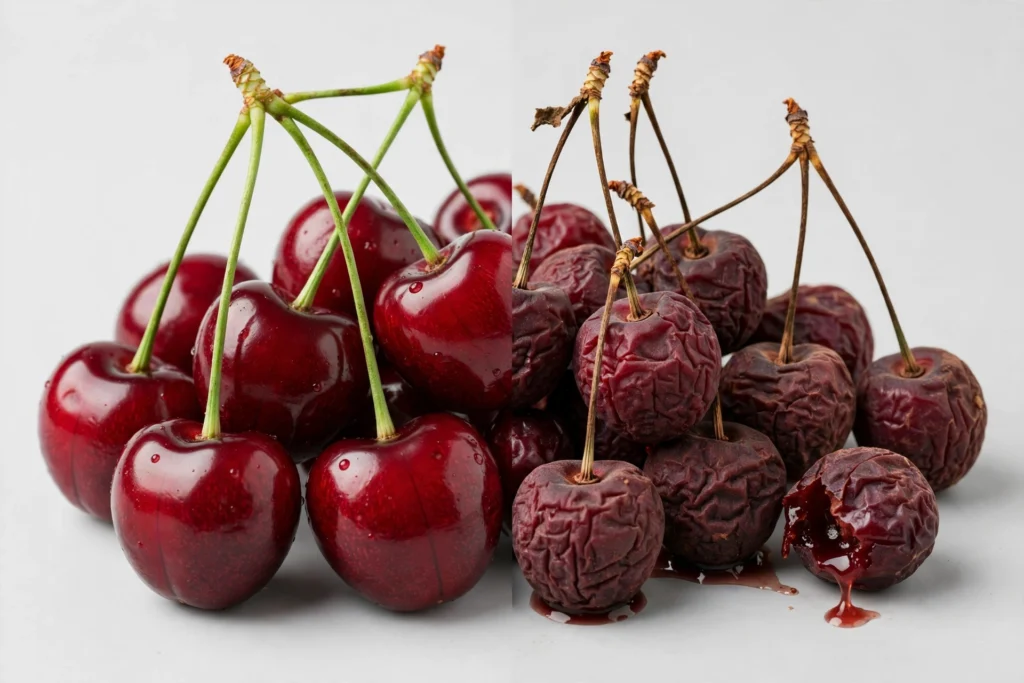
How to Choose Fresh Cherries: Color, Stems, and Firmness

To choose fresh cherries, look for deep, rich color — dark red to nearly black for sweet varieties — with glossy, unblemished skin. The stems should be green and flexible, not brown and dry. Each cherry should feel firm and plump; soft, wrinkled, or leaking cherries are past their prime. AI-generated image • Not a […]

Read the guide
Fruit2 min read

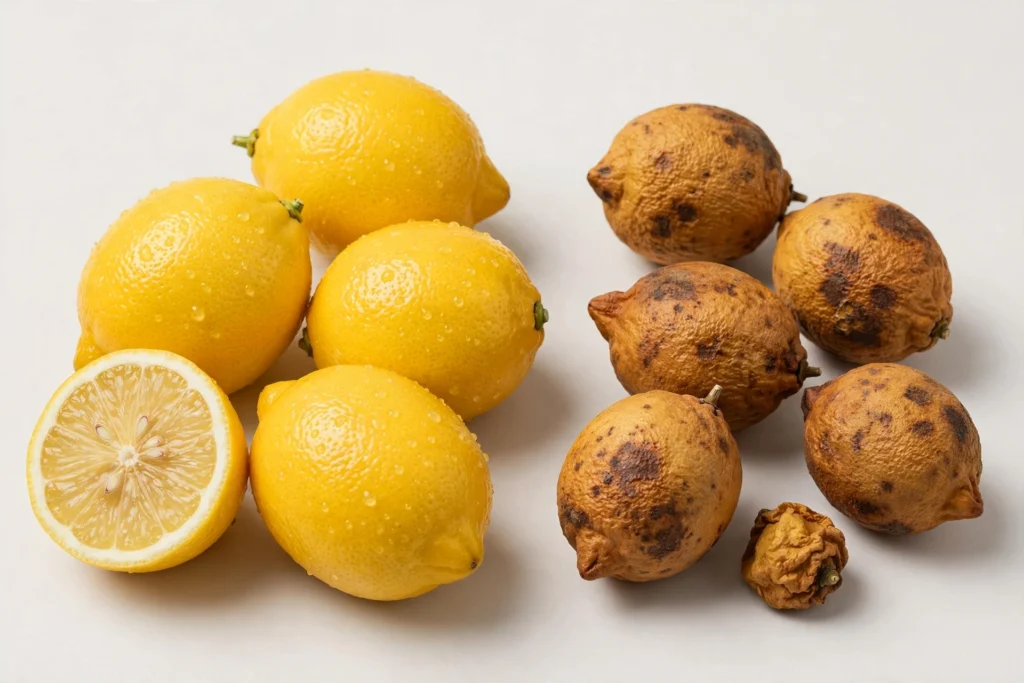
How to Choose Juicy Lemons: Weight, Skin, and Color

To choose juicy lemons, pick fruit that feels heavy for its size — weight is the best predictor of juice. The skin should be thin, smooth, and vibrant yellow, giving slightly under pressure. Avoid thick, rough, pebbly skin and light-feeling lemons, which are usually dry inside. AI-generated image • Not a tested sample. Appearance cannot […]

Read the guide
Fruit2 min read

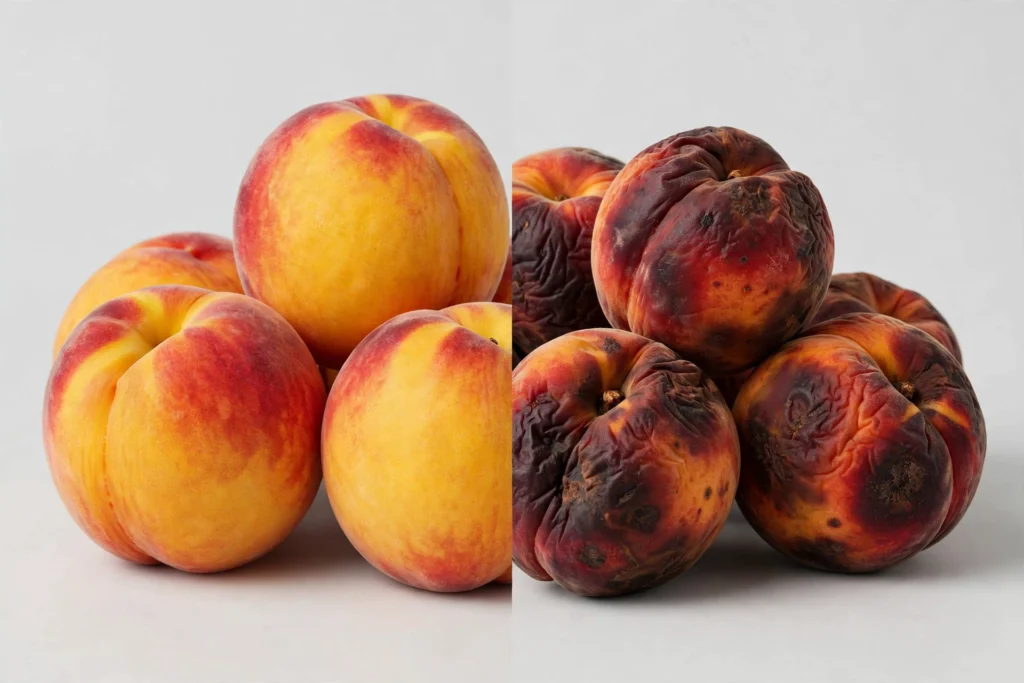
How to Choose Juicy Peaches: Color, Smell, and Softness

To choose juicy peaches, look for a deep golden-yellow background color (not the red blush, which says nothing about ripeness) and a sweet, fragrant smell. The flesh should yield gently to palm pressure — never squeeze with fingertips, which bruises the fruit. A ripe peach feels heavy and smells like a peach from a few […]

Read the guide
Fruit2 min read

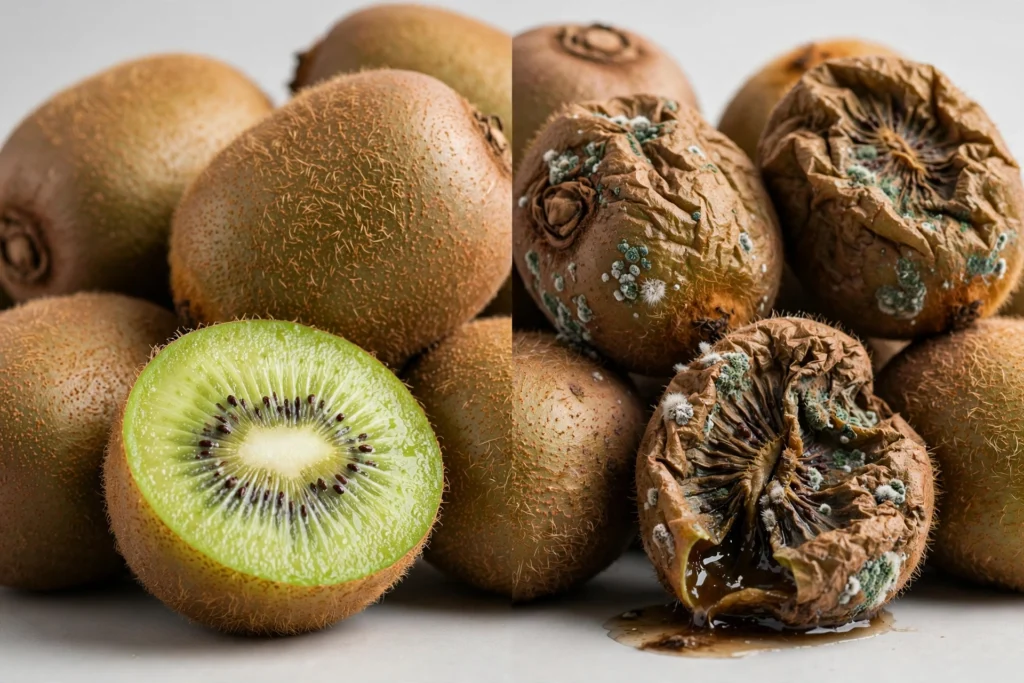
How to Choose Ripe Kiwis: Color, Fuzz, and Give

To choose ripe kiwis, hold one gently and press with your thumb — a ripe kiwi yields slightly, like a ripe peach, while a rock-hard kiwi needs days to ripen. The skin should be brown and fuzzy with no wrinkles, bruises, or mold. Give it a sniff: ripe kiwis smell sweet and fragrant at the […]

Read the guide
Shopping tips3 min read

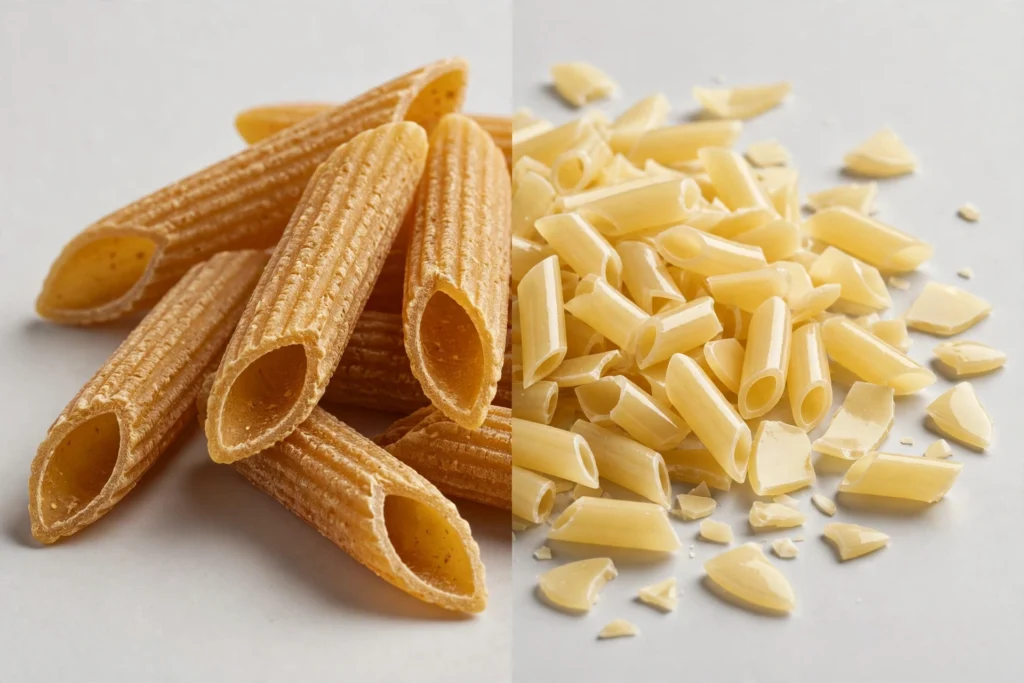
How to Choose Pasta: Labels, Ingredients, and Shapes

To choose good dried pasta, read the ingredient list — classic quality pasta lists just durum wheat semolina and sometimes water. Look for pasta with a rough, matte surface (often labeled “bronze-cut”), which grips sauce far better than shiny, smooth pasta. Match the shape to your sauce: ridges and tubes catch chunky sauces, while long […]

Read the guide
1 … 14 15 16 17 18 … 22
🌐 Language
Read in your language Open Google translation ↗ Opens this public page in Google Translate. Automatic translations may contain errors. Google processes the page URL and translation requests. Privacy & cookies