fresh decoded.
Read, understand, choose

All guides

Practical guides to quality, taste, labels, and storage.

Explore by food topic

Latest guides

Dairy & eggs2 min read

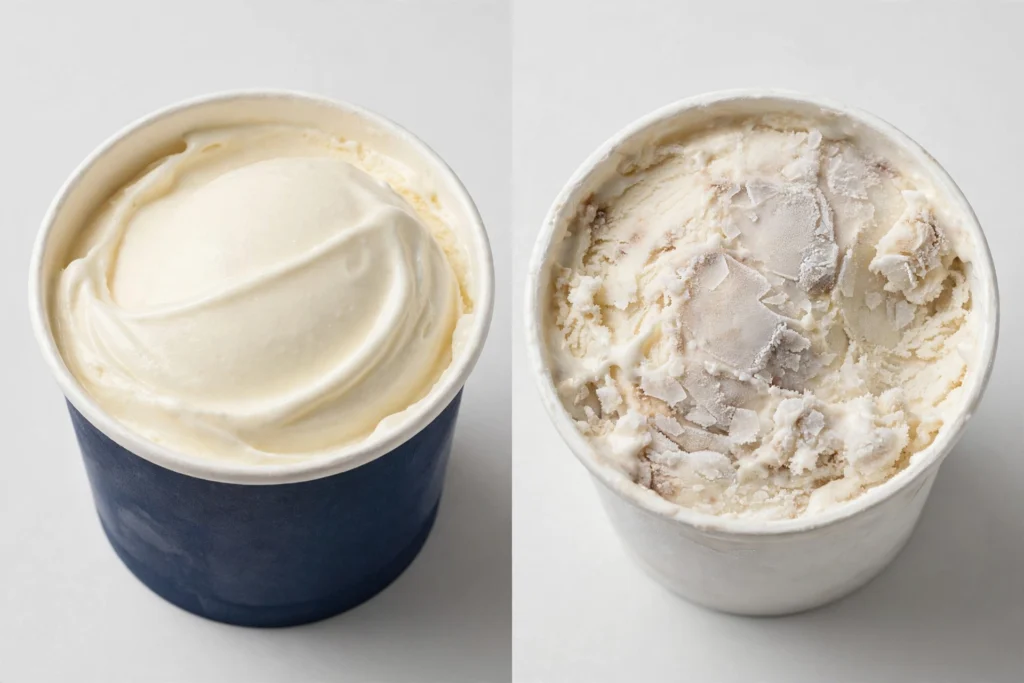
How to Choose Ice Cream: Labels and Ingredients

To choose good ice cream, read the ingredient list — the best ones lead with cream and milk, with short, recognizable ingredients. “Light,” “reduced fat,” and “frozen dessert” are regulated terms that tell you what is (and is not) in the tub. For the richest texture, look for higher fat content and fewer gums and […]

Read the guide
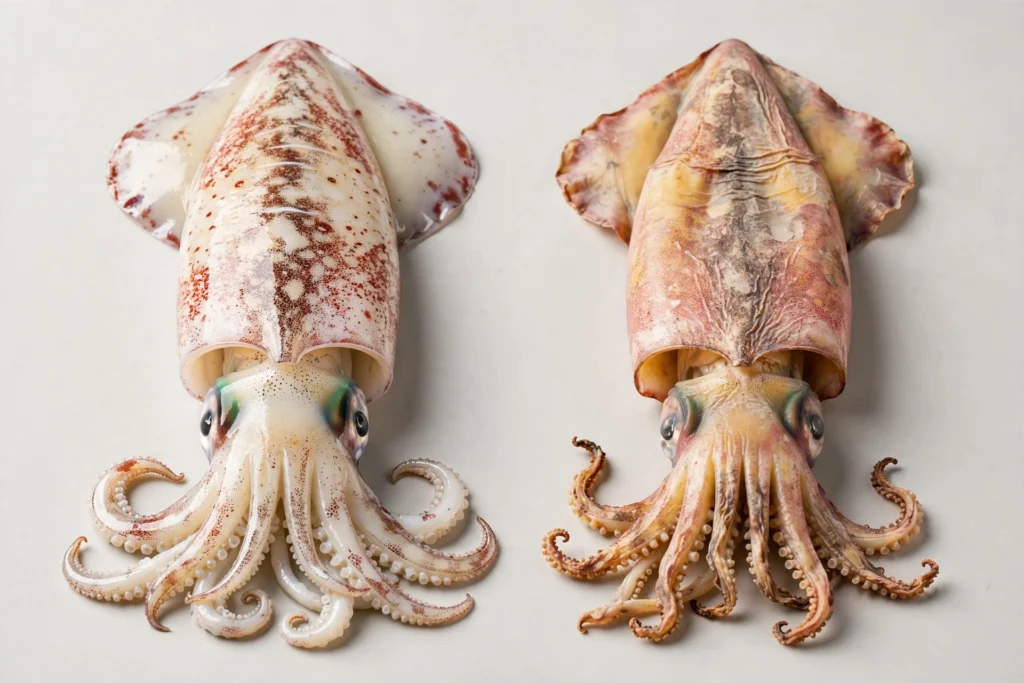
AI-generated illustration of squid with contrasting surface appearances; appearance cannot confirm safety
Fish & seafood3 min read

How to Choose Fresh Squid: Color, Smell, and Texture

When buying squid, establish how it has been kept cold and what form you are buying: whole, cleaned tubes, tentacles, or frozen pieces. Skin pigment is not a freshness certificate. A mild smell and an attractive appearance cannot prove that squid has been handled safely.

Read the guide
Fish & seafood2 min read

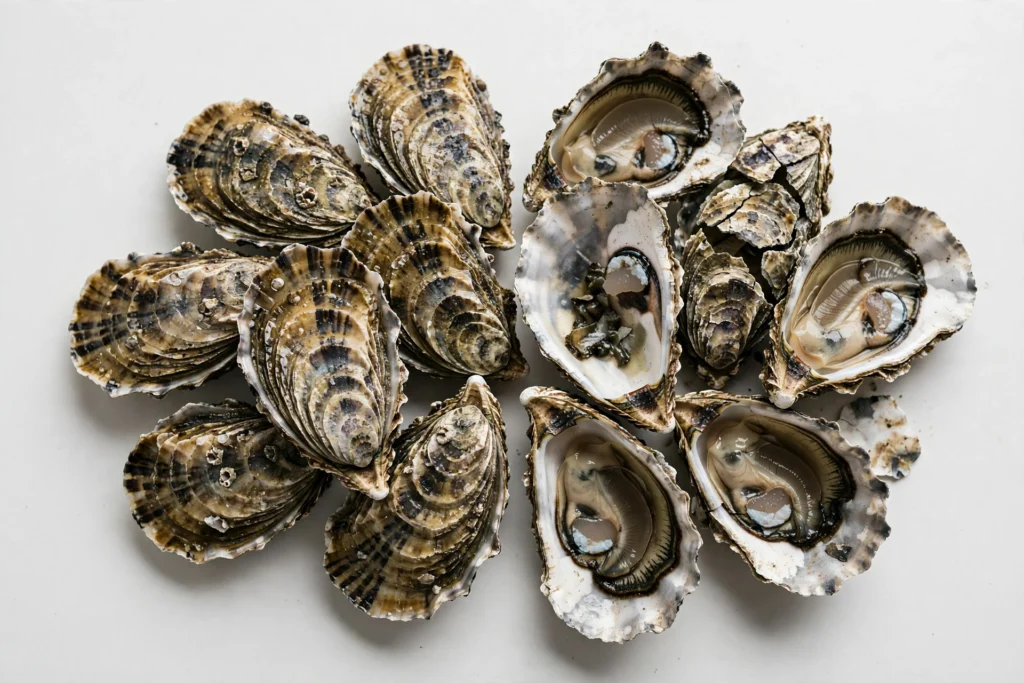
How to Buy Fresh Oysters: Shells, Smell, and Source

To buy fresh oysters, choose ones with tightly closed shells — or shells that close when tapped. They should smell clean like the ocean, never fishy or sulfurous. Buy from reputable fishmongers or restaurants with high turnover, and ask when they were harvested; fresher is always better with raw oysters. AI-generated image • Not a […]

Read the guide
Fish & seafood3 min read

How to Choose Lobster: Live Checks, Weight, and Shell Signs

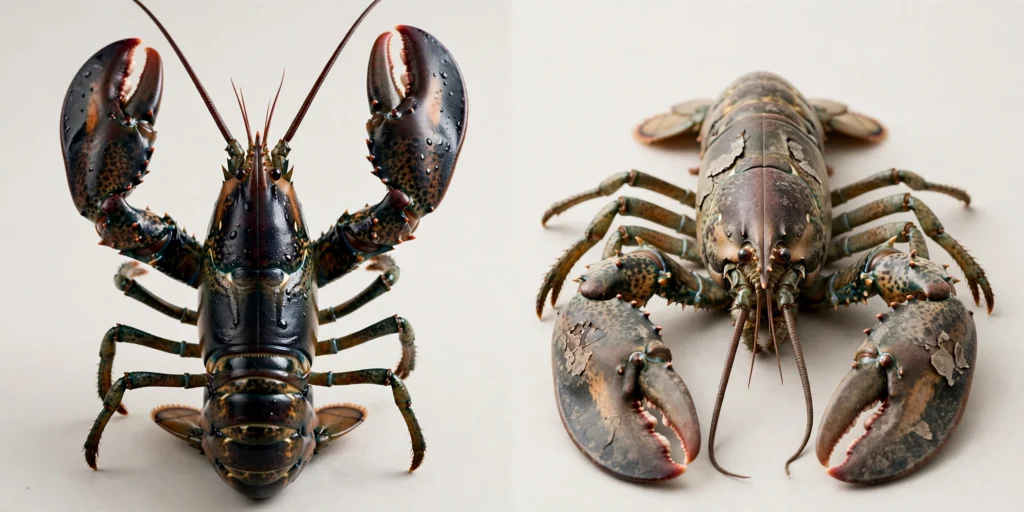
To choose a good lobster, buy it live and lively — the tail should curl strongly when handled, and the lobster should move its legs and claws. Pick one that feels heavy for its size with a hard, intact shell. Avoid limp lobsters, cracked shells, or any ammonia smell. AI-generated image • Not a tested […]

Read the guide
Meat & fresh food2 min read

How to Choose Bacon: Labels, Cut, and Fat

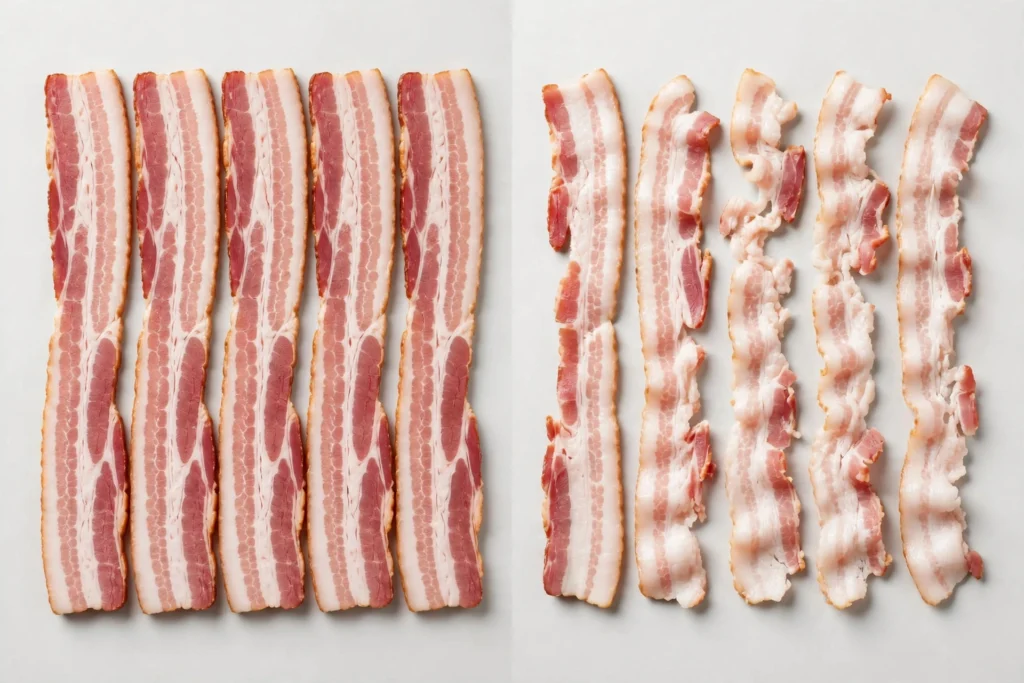
To choose good bacon, read the label first: the ingredient list should be short (pork, salt, and curing agents), and the nutrition panel tells you the real sodium story. Look through the package window — you want a good balance of pink meat to white fat, with even slices. Terms like “uncured” still mean cured […]

Read the guide
Meat & fresh food2 min read

How to Choose Lamb: Color, Marbling, and Cut

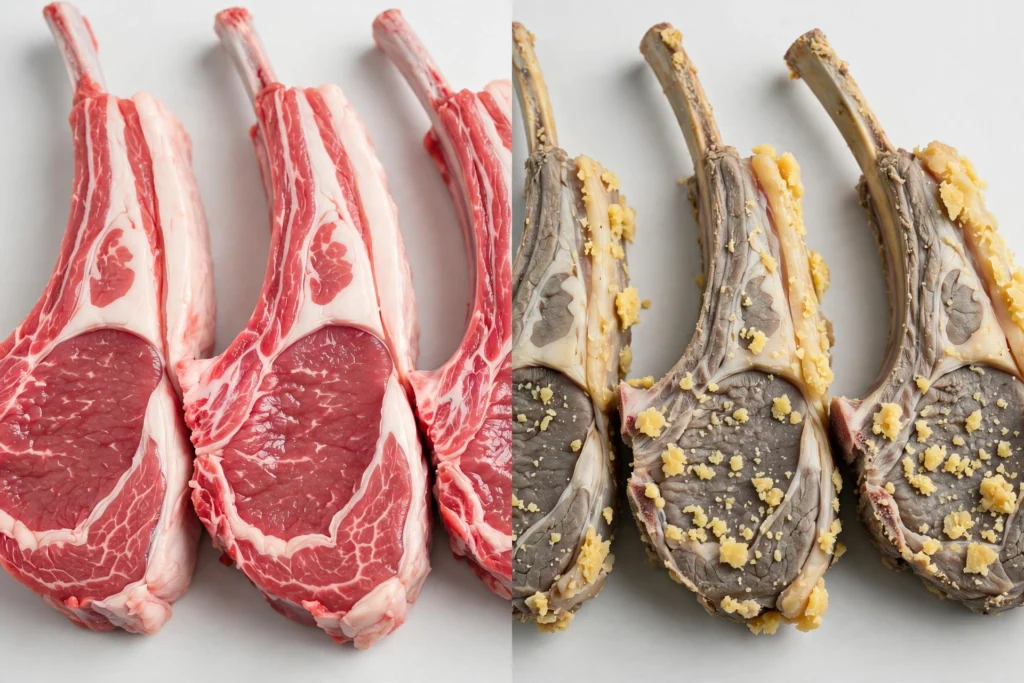
To choose good lamb, look for pinkish-red meat with fine white marbling and firm, white fat — not yellow or crumbly. The meat should smell mild and clean, never sour or gamey-strong. Choose the cut for your cooking method: tender loin and rack for fast cooking, shoulder and shank for slow braising. AI-generated image • […]

Read the guide
Meat & fresh food3 min read

How to Choose Turkey: Fresh vs Frozen, Size, and Label Checks

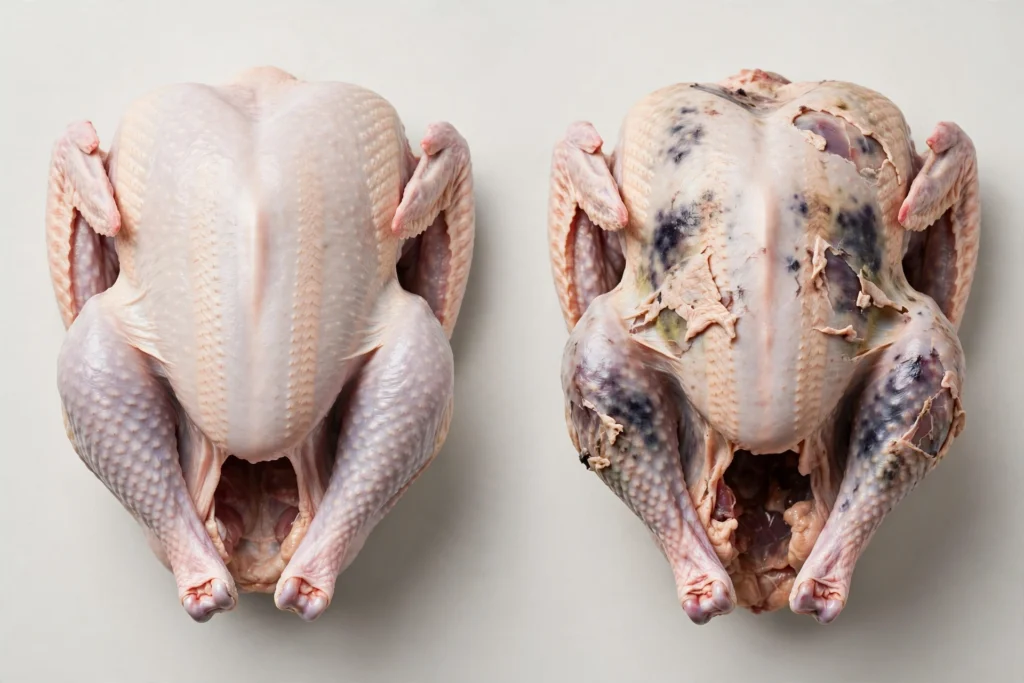
To choose a good turkey, decide fresh vs frozen first: fresh turkeys offer convenience and slightly better texture, while properly thawed frozen birds are excellent value. Size it at about 1–1.5 pounds per guest, check the skin is intact with no off-odors, and read the label — “basted” or “enhanced” means added salt solution. AI-generated […]

Read the guide
Vegetables2 min read

How to Choose Cabbage: Weight, Leaves, and Core

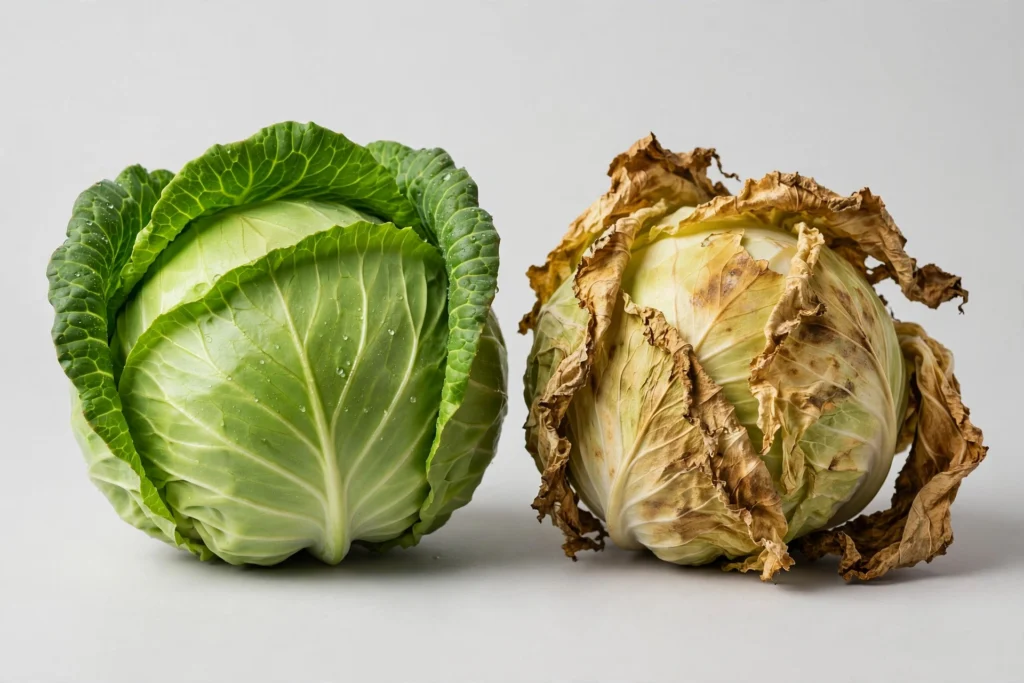
To choose good cabbage, pick a head that feels heavy and dense for its size — weight means tightly packed, fresh leaves inside. The outer leaves should look crisp and vibrant, not wilted or yellowed. Flip it over and check the cut core: fresh and moist is good, brown and dried out is not. AI-generated […]

Read the guide
Vegetables2 min read

How to Choose Fresh Mushrooms: Caps, Gills, and Smell

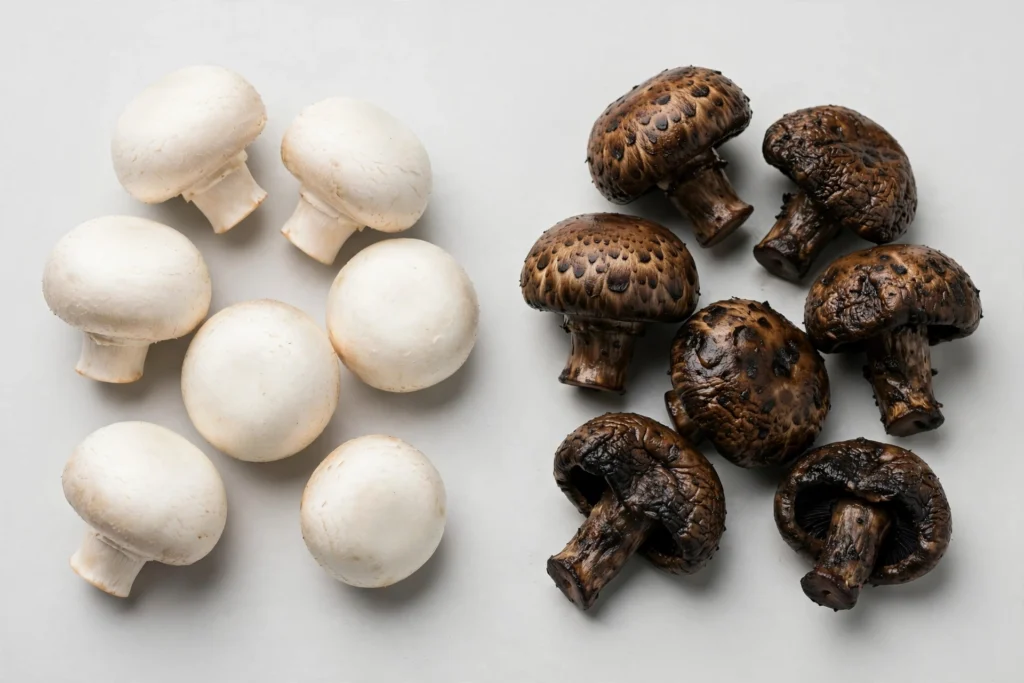
To choose fresh mushrooms, look for firm, dry caps with no slimy film — the surface should feel dry to the touch, not tacky. Fresh mushrooms smell clean and earthy, never sour or fishy. For button mushrooms, the caps should be closed around the stem or just opening; wide-open caps with dark exposed gills are […]

Read the guide
Vegetables2 min read

How to Choose Fresh Corn: Husk, Silk, and Kernels

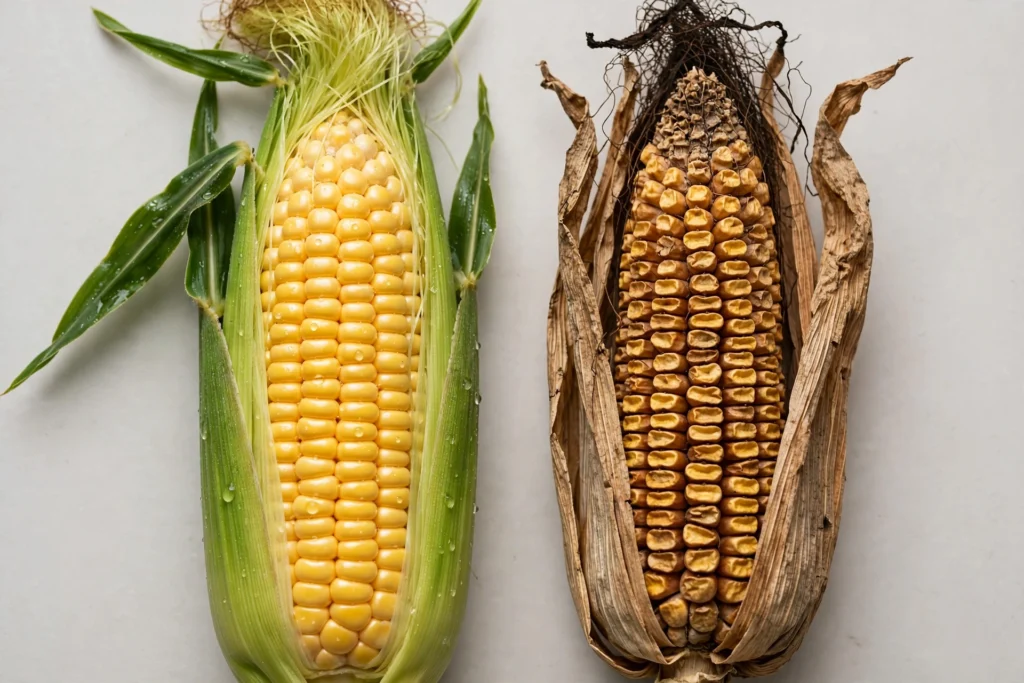
To choose fresh corn, look for bright green, tight husks and moist, slightly sticky silk — dry brown husks mean old corn. Peel back a small section of husk and check the kernels: they should look plump, milky, and tightly packed in even rows. Fresh corn feels heavy and the ear should feel firm, not […]

Read the guide
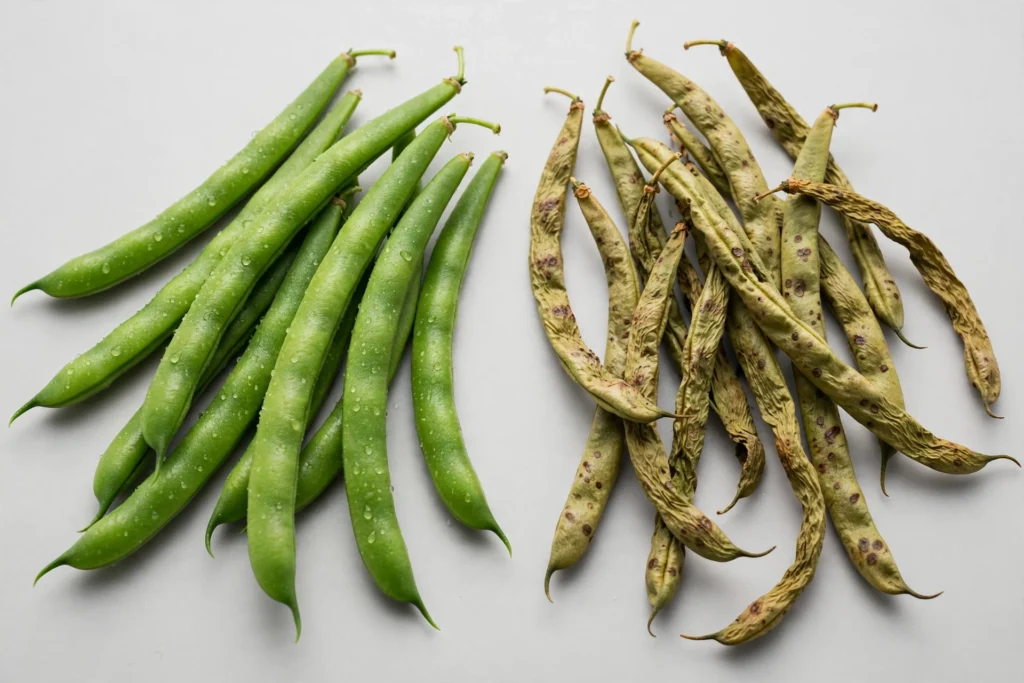
AI-generated illustration of green bean pods with contrasting surface appearances; appearance cannot confirm safety
Vegetables3 min read

How to Choose Fresh Green Beans: Snap, Color, and Size

Choose snap beans for the dish you plan to make: look for firm pods with an intact surface, then consider size and the variety's normal color. A crisp snap can help judge texture, but it does not prove a bean is safe or tell you its harvest date. Yellow wax beans and purple varieties are not defective green beans.

Read the guide
Vegetables2 min read

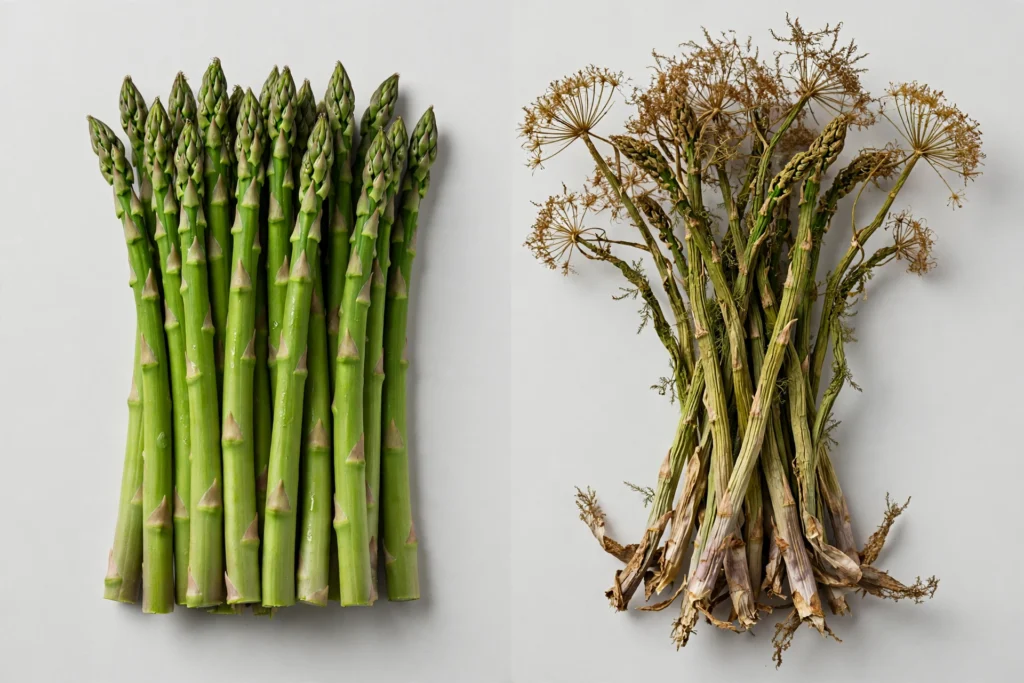
How to Choose Fresh Asparagus: Tips, Stalks, and Color

To choose fresh asparagus, look for tight, compact tips with no spreading or flowering, and firm, straight stalks with vibrant green color. The cut ends should look moist, not dried out or woody. Thinner stalks are more tender; thicker ones are meatier — pick by your cooking method, not by quality assumptions. AI-generated image • […]

Read the guide
1 … 13 14 15 16 17 … 22
🌐 Language
Read in your language Open Google translation ↗ Opens this public page in Google Translate. Automatic translations may contain errors. Google processes the page URL and translation requests. Privacy & cookies