fresh decoded.
Fresh Decoded guides

Vegetables

Leaves, stems, texture, and quality clues.

Vegetables3 min read

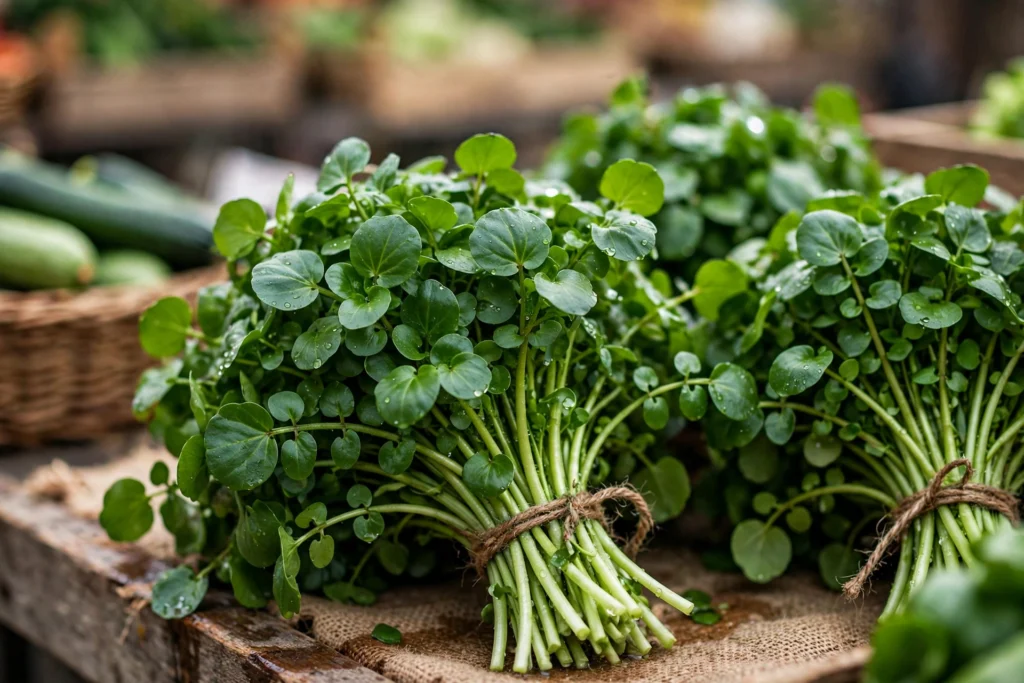
How to Choose Watercress: Crisp Leaves, Fresh Smell, and Deep Color

Fresh watercress has crisp, dark-green leaves, firm stems, and a clean, peppery smell. Look for bunches or bags with vivid color and no yellowing, sliminess, or wilted leaves. The leaves should feel perky and spring back when gently pressed — limp or slimy watercress is past its prime. Avoid any package with a sour or […]

Read the guide
Vegetables3 min read

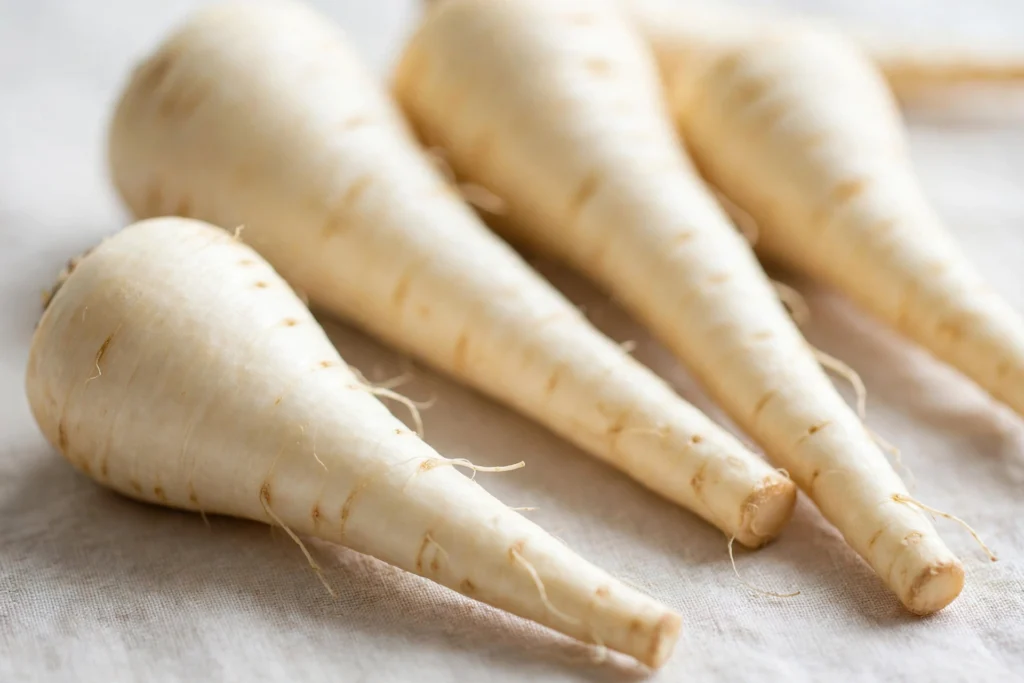
How to Choose Parsnips: Firm, Smooth, Sweet Roots

To choose good parsnips, look for roots that are firm and smooth with creamy white to pale yellow skin and no soft spots. Pick small to medium parsnips — very thick, oversized ones often have a tough, woody core. The root should feel heavy and solid, with a clean tapered shape and fresh-looking top. Avoid […]

Read the guide
Vegetables4 min read

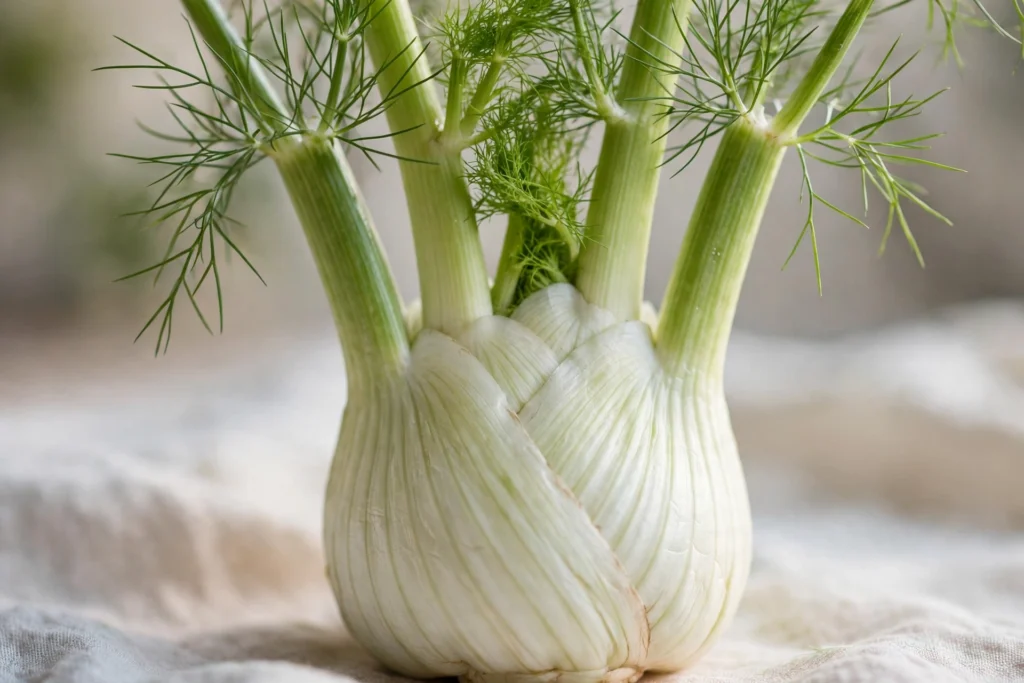
How to Choose Fennel: Firm Bulbs and Fresh Fronds

To choose fresh fennel, pick a bulb that feels firm, heavy, and solid, with tightly layered white to pale green skin and no cracks or soft spots. The stalks rising from the bulb should stand crisp and upright, topped with bright green, feathery fronds — wilted or brown fronds mean the bulb is old. Give […]

Read the guide
Vegetables4 min read

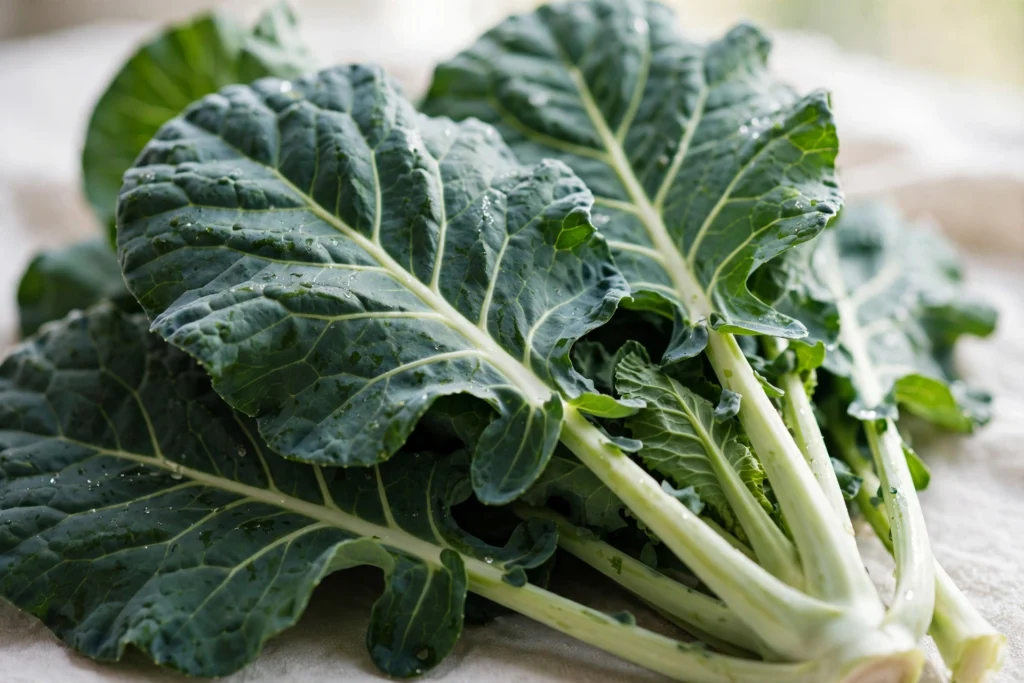
How to Choose Collard Greens: Dark, Firm, Unblemished Leaves

To choose fresh collard greens, look for bunches with large, dark green leaves that feel firm and smooth, not limp or leathery. The leaves should be free of yellowing, with sturdy pale stems and no slimy spots. Lift the bunch — fresh collards feel substantial and the leaves spring back when bent gently. Avoid bunches […]

Read the guide
Vegetables4 min read

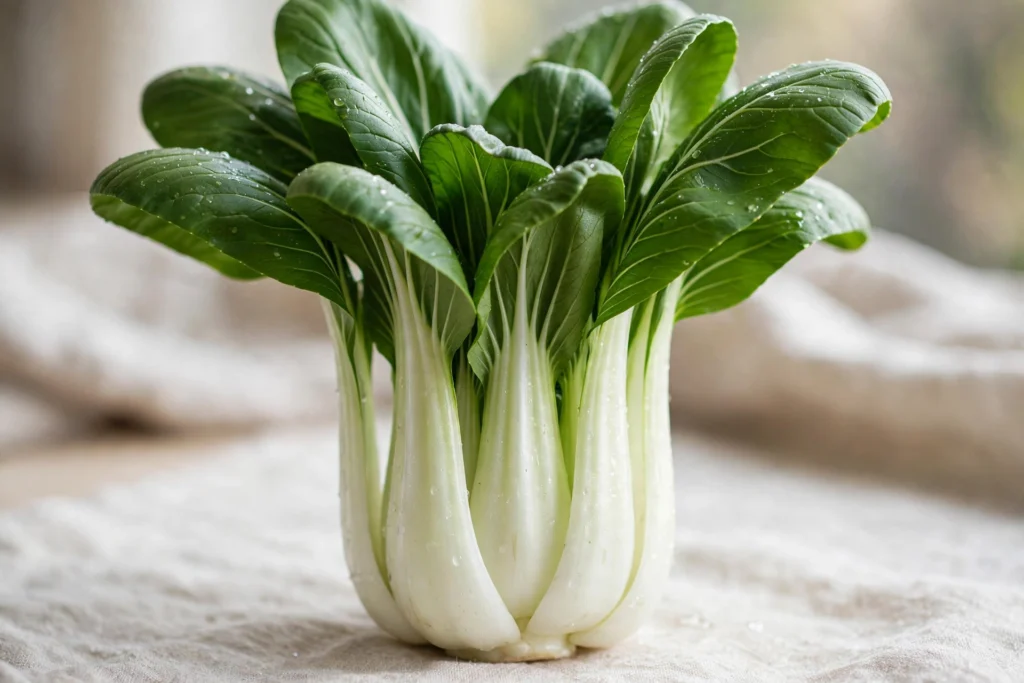
How to Choose Bok Choy: Crisp Stalks and Firm Heads

To choose fresh bok choy, look for heads with crisp, firm white stalks that snap rather than bend, and vibrant dark green leaves with no yellowing. The head should feel compact and heavy for its size, with stalks packed tightly at the base. Check the cut base — it should look fresh and pale, not […]

Read the guide
Vegetables4 min read

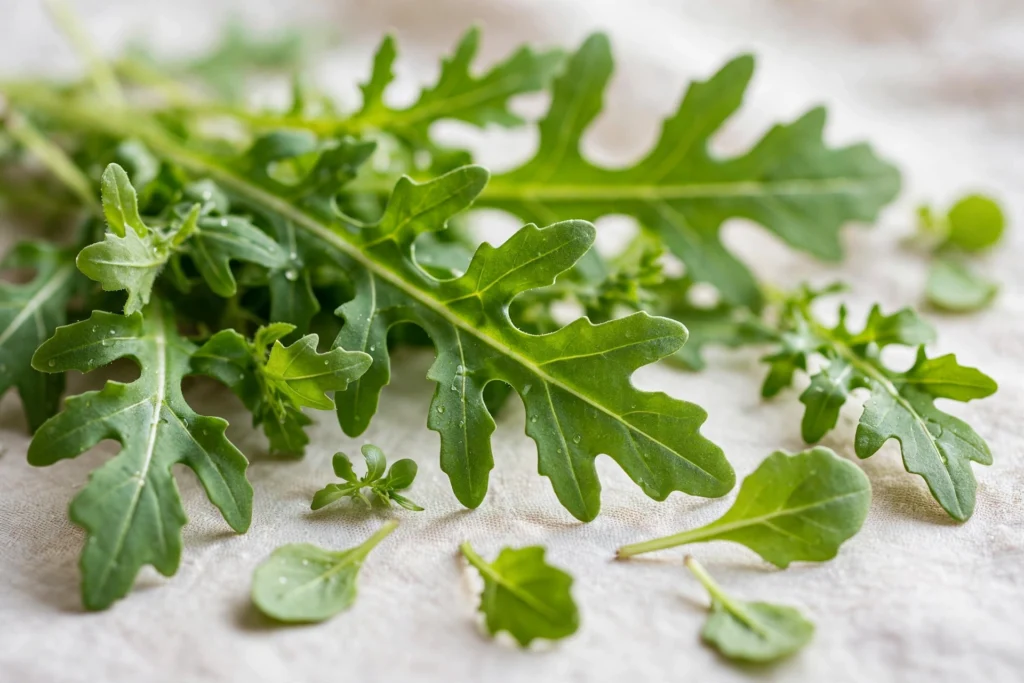
How to Choose Arugula: Fresh, Crisp, Peppery Leaves

To choose fresh arugula, look for leaves that are vibrant green, perky, and crisp-looking — they should stand up rather than flop. The leaves should smell fresh and faintly peppery, never sour or rotten. Check the bottom of the bag or clamshell for yellowed, wilted, or slimy leaves, which signal age. Baby arugula has small, […]

Read the guide
Vegetables2 min read

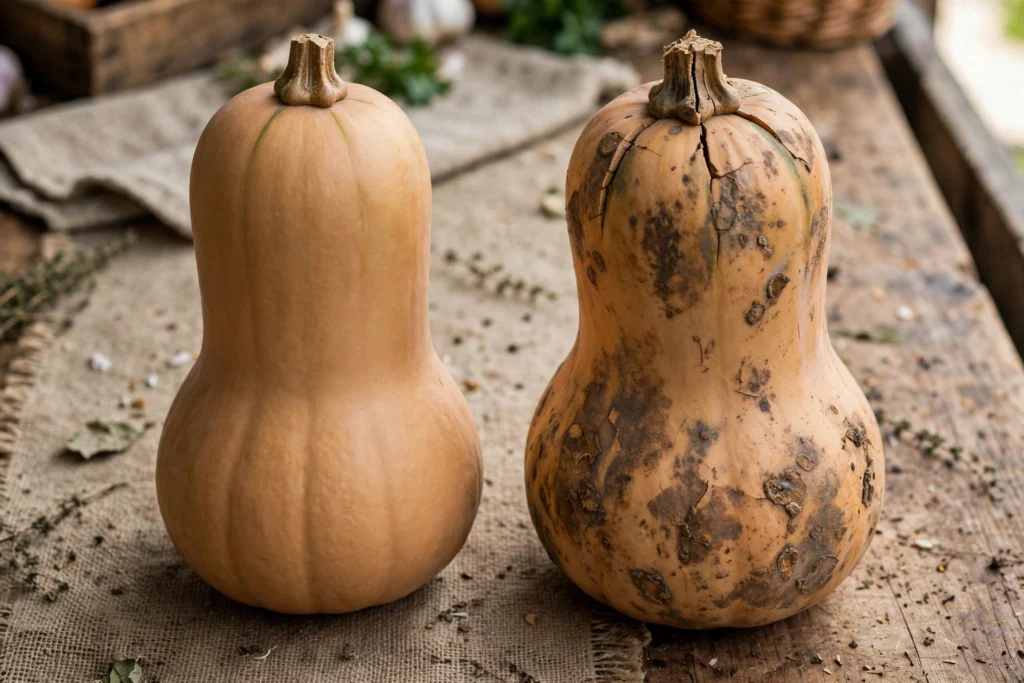
How to Choose Butternut Squash: Weight, Skin, and Stem

To choose a good butternut squash, pick one that feels heavy for its size with smooth, matte tan skin and no soft spots or cracks. The stem should be intact, dry, and firmly attached — a missing or moldy stem means the squash may be drying out or decaying inside. A deep, even tan color […]

Read the guide
Vegetables2 min read

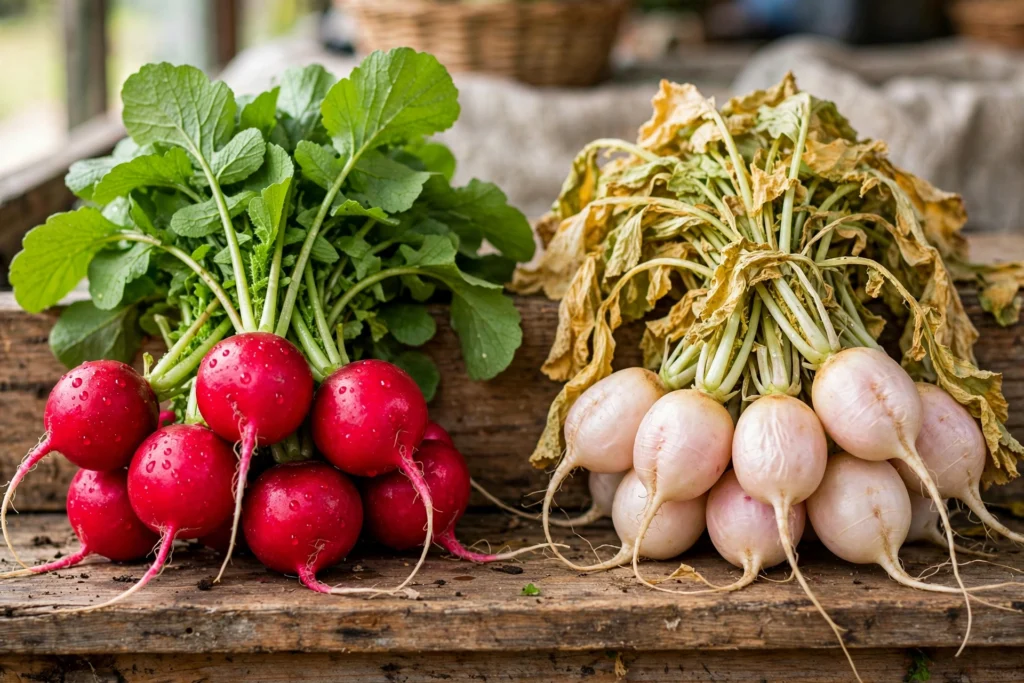
How to Choose Fresh Radishes: Firmness, Color, and Greens

To choose fresh radishes, pick roots that feel firm and heavy with smooth, bright skin — red radishes should look vivid red, not dull or pale. The greens on top are a freshness calendar: crisp and green means recent harvest, while wilted or yellowing tops mean the roots have been sitting. Squeeze gently; any give […]

Read the guide
Vegetables2 min read

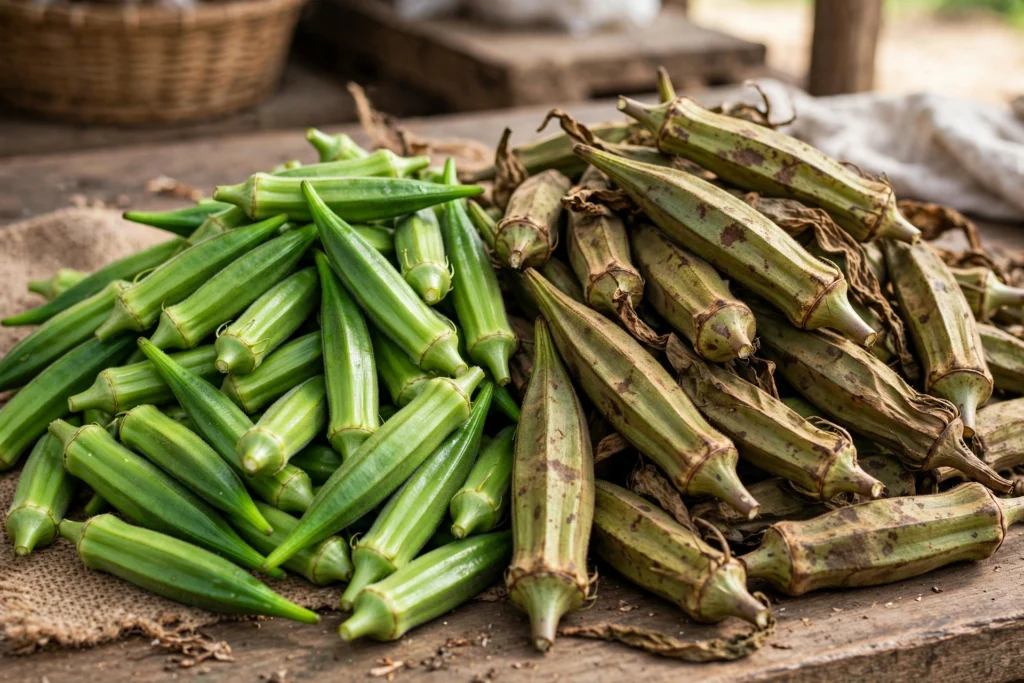
How to Choose Fresh Okra: Size, Firmness, and Color

To choose fresh okra, pick small to medium pods — two to four inches — that snap cleanly when bent and feel firm and dry. The pods should look bright green with no brown spots or soft tips. Large, fibrous pods are tough and woody no matter how you cook them, so size matters more […]

Read the guide