fresh decoded.
Fresh Decoded guides

Vegetables

Leaves, stems, texture, and quality clues.

Vegetables2 min read

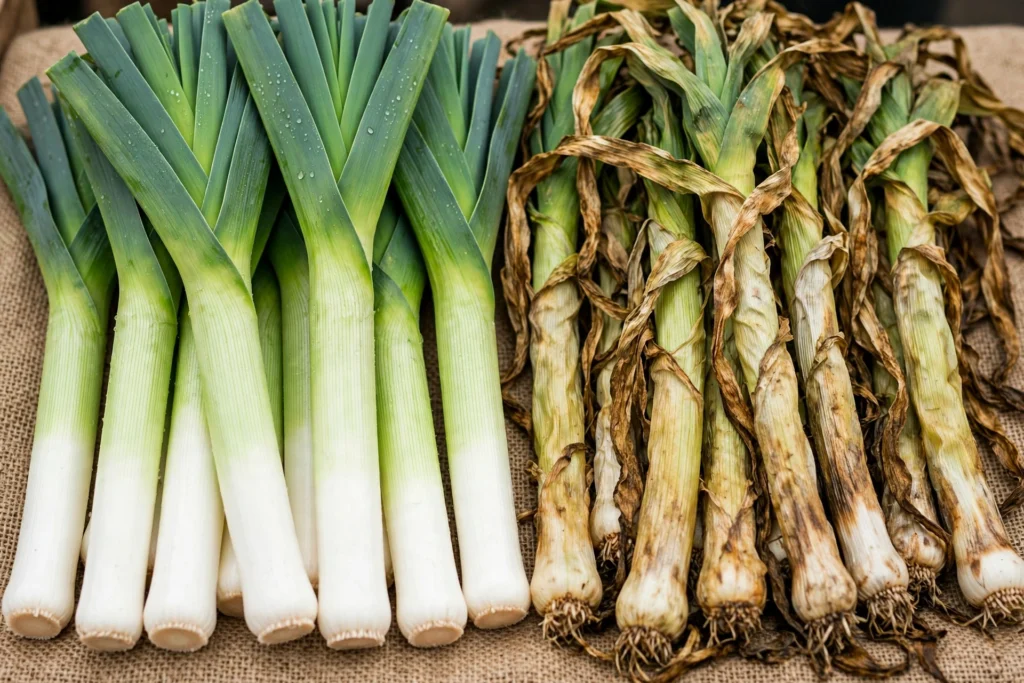
How to Choose Leeks: Firmness, Color, and Size

To choose good leeks, pick firm, straight stalks with a clean white-to-green gradient — the white base should look fresh, not yellowed or slimy. The green tops should stand upright and look vibrant, not wilted or dried. Medium-sized leeks are the sweet spot: pencil-thin ones lack flavor, and giant ones can be tough. AI-generated image […]

Read the guide
Vegetables2 min read

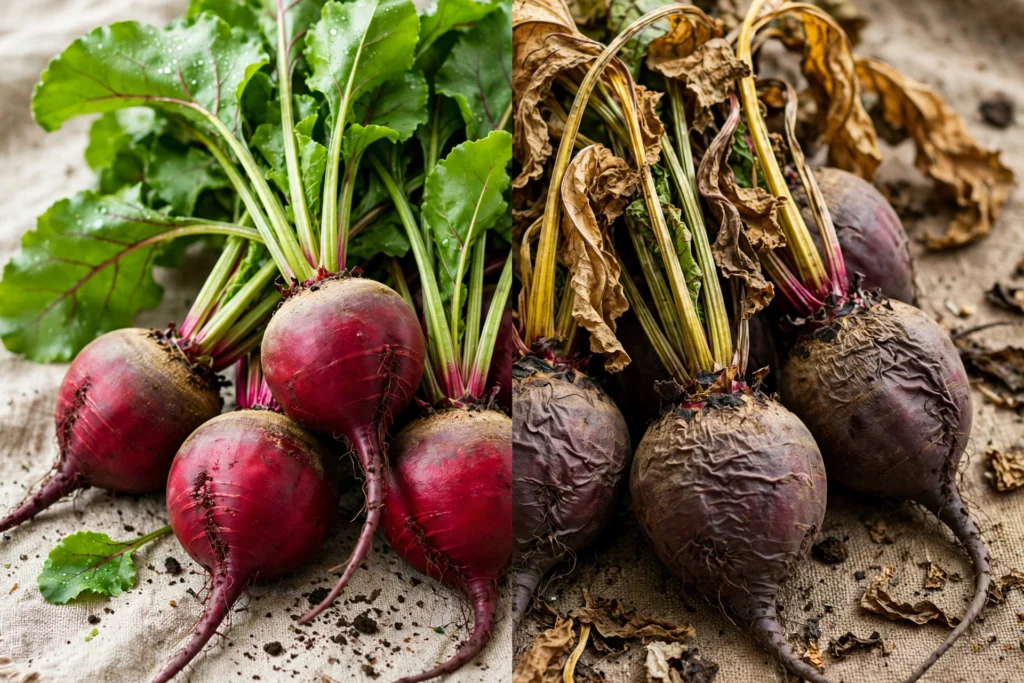
How to Choose Fresh Beets: Firmness, Skin, and Greens

To choose fresh beets, pick small to medium roots that feel firm and heavy with smooth, unbroken skin. The best bonus: fresh, vibrant greens still attached — they are the clearest freshness signal. Avoid soft, wrinkled beets, cracked skins, or wilted, yellowing tops. AI-generated image • Not a tested sample. Appearance cannot confirm safety. Prefer […]

Read the guide
Vegetables2 min read

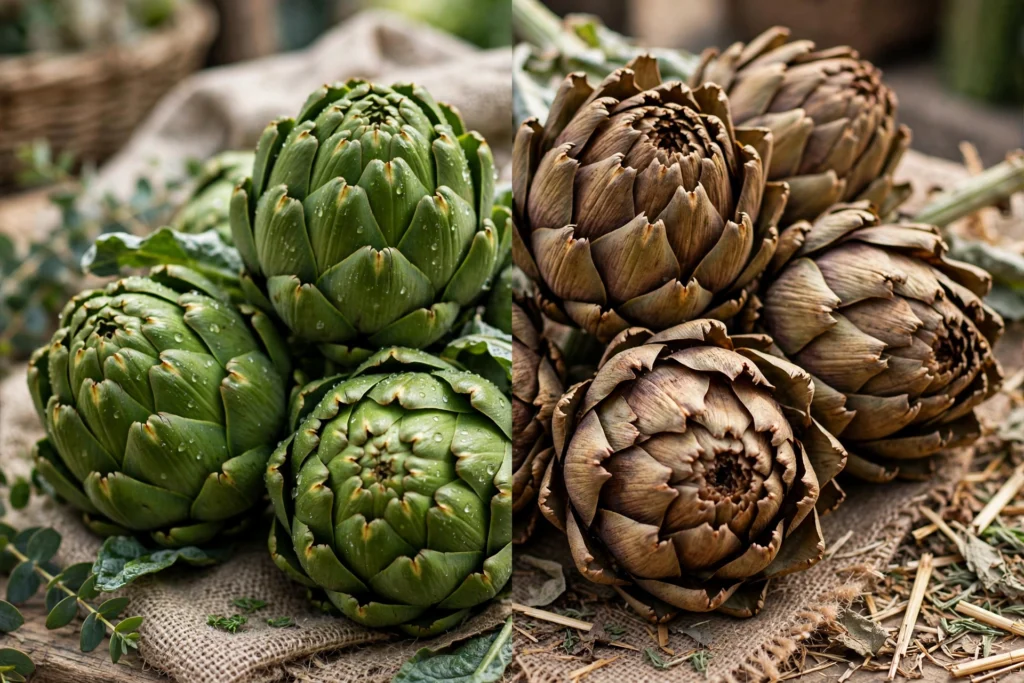
How to Choose Fresh Artichokes: Weight, Leaves, and Squeak

To choose fresh artichokes, pick ones that feel heavy for their size with tightly closed, squeaky leaves — squeeze one gently; fresh leaves squeak against each other. The color should be deep green with maybe a little purple blush. Avoid artichokes with spreading leaves, brown dry edges, or light, hollow-feeling heads. AI-generated image • Not […]

Read the guide
Vegetables2 min read

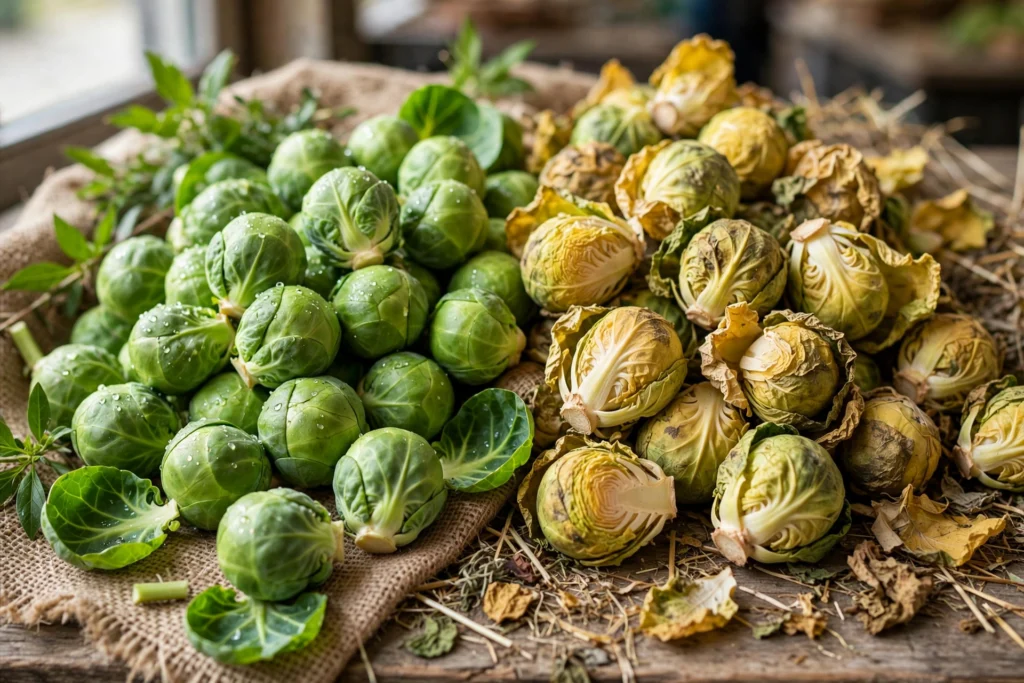
How to Choose Brussels Sprouts: Tightness, Color, and Size

To choose good Brussels sprouts, pick small, firm heads with tightly packed leaves and bright green color. They should feel dense and heavy, with fresh-looking stem ends. Avoid yellowing outer leaves, loose puffy heads, or any with black spots and soft patches. AI-generated image • Not a tested sample. Appearance cannot confirm safety. Prefer Small, […]

Read the guide
Vegetables2 min read

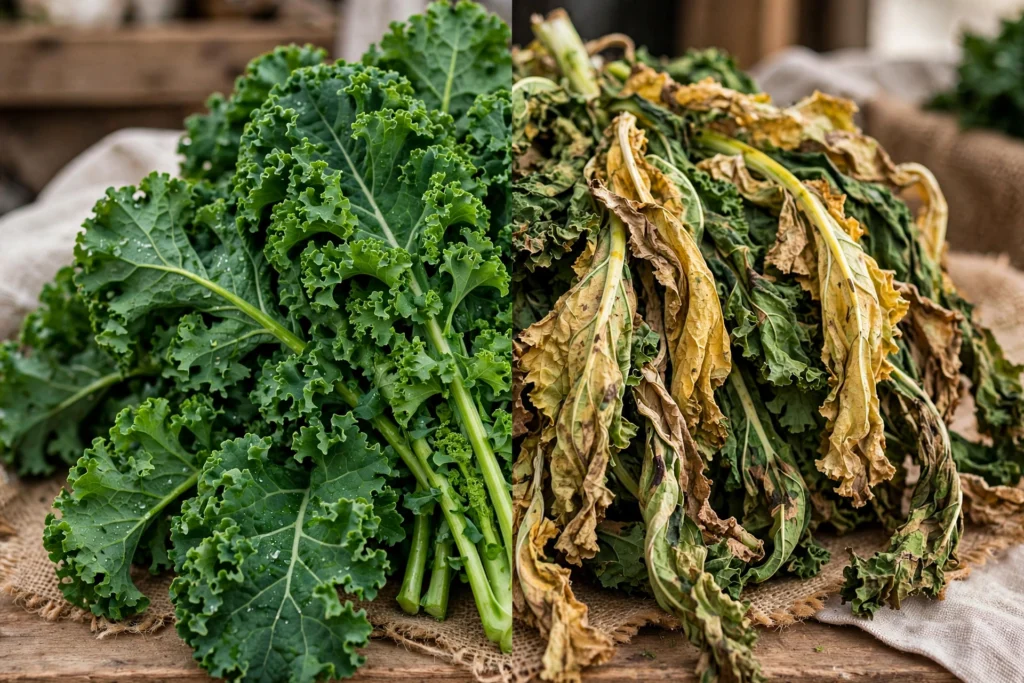
How to Choose Fresh Kale: Color, Leaves, and Stems

To choose fresh kale, look for deep green, sturdy leaves with no yellowing, wilting, or brown edges. The leaves should feel crisp and firm, not limp or rubbery, and the stems should look moist and freshly cut. Smaller leaves tend to be more tender; huge, thick leaves can be tough. AI-generated image • Not a […]

Read the guide
Vegetables2 min read

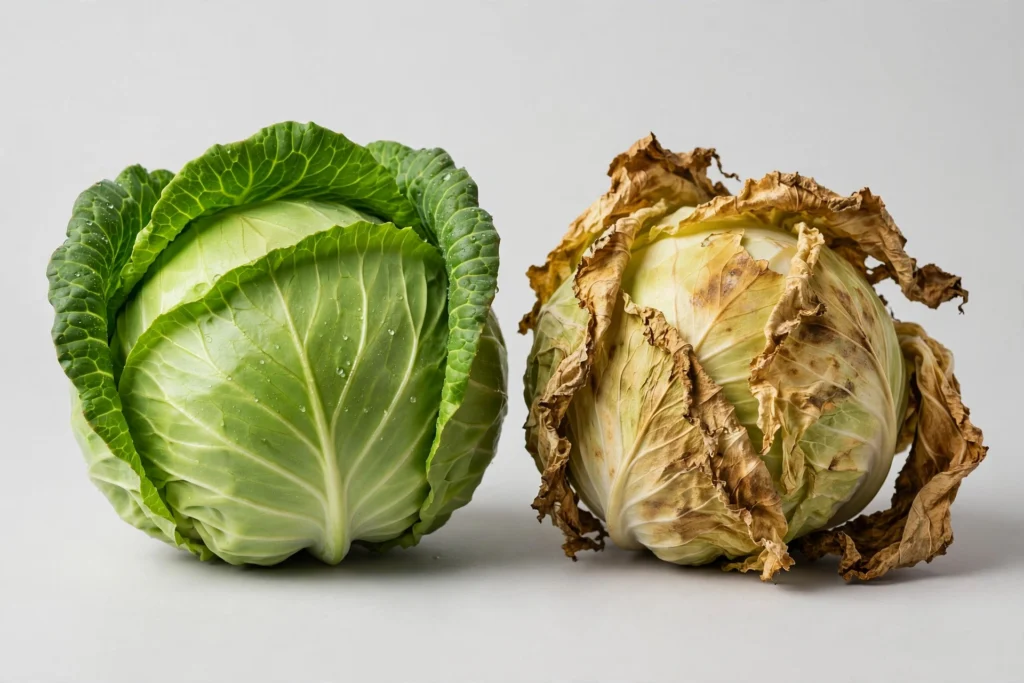
How to Choose Cabbage: Weight, Leaves, and Core

To choose good cabbage, pick a head that feels heavy and dense for its size — weight means tightly packed, fresh leaves inside. The outer leaves should look crisp and vibrant, not wilted or yellowed. Flip it over and check the cut core: fresh and moist is good, brown and dried out is not. AI-generated […]

Read the guide
Vegetables2 min read

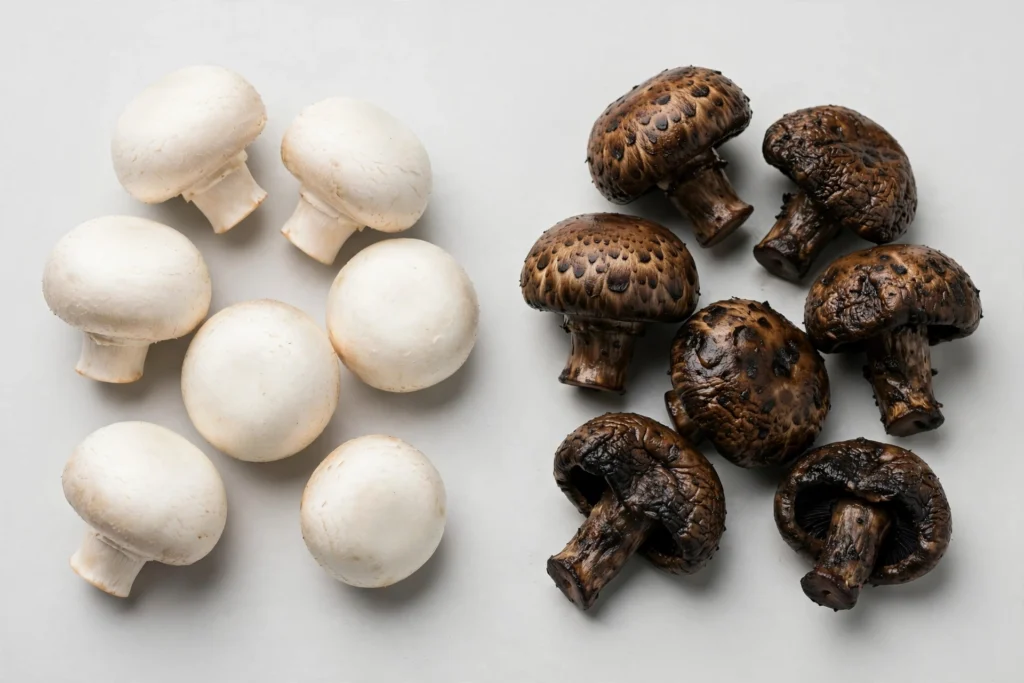
How to Choose Fresh Mushrooms: Caps, Gills, and Smell

To choose fresh mushrooms, look for firm, dry caps with no slimy film — the surface should feel dry to the touch, not tacky. Fresh mushrooms smell clean and earthy, never sour or fishy. For button mushrooms, the caps should be closed around the stem or just opening; wide-open caps with dark exposed gills are […]

Read the guide
Vegetables2 min read

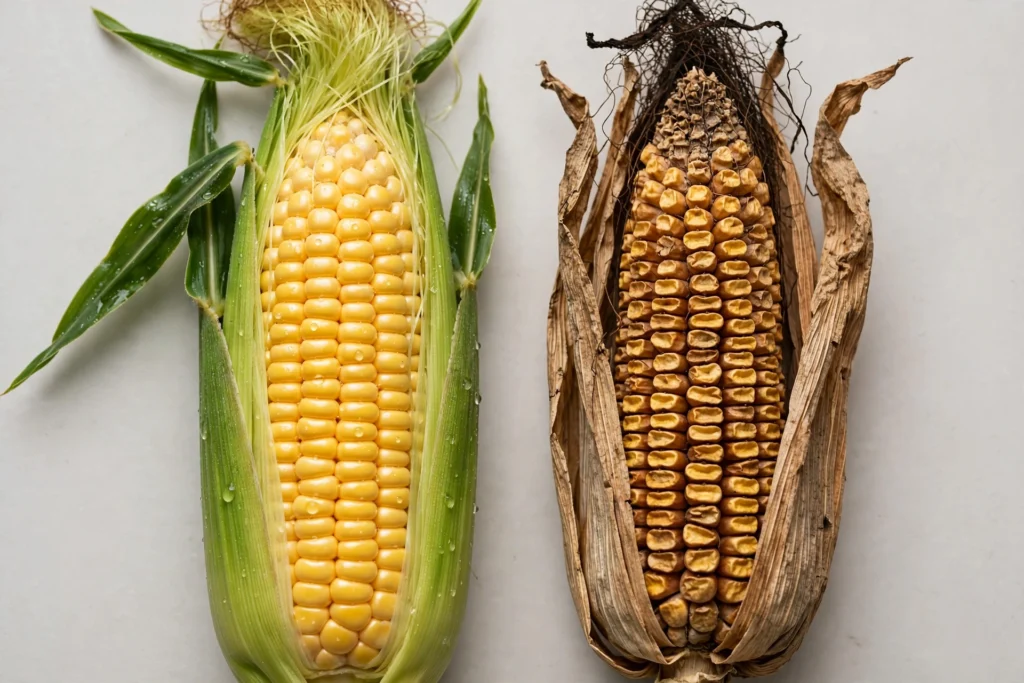
How to Choose Fresh Corn: Husk, Silk, and Kernels

To choose fresh corn, look for bright green, tight husks and moist, slightly sticky silk — dry brown husks mean old corn. Peel back a small section of husk and check the kernels: they should look plump, milky, and tightly packed in even rows. Fresh corn feels heavy and the ear should feel firm, not […]

Read the guide
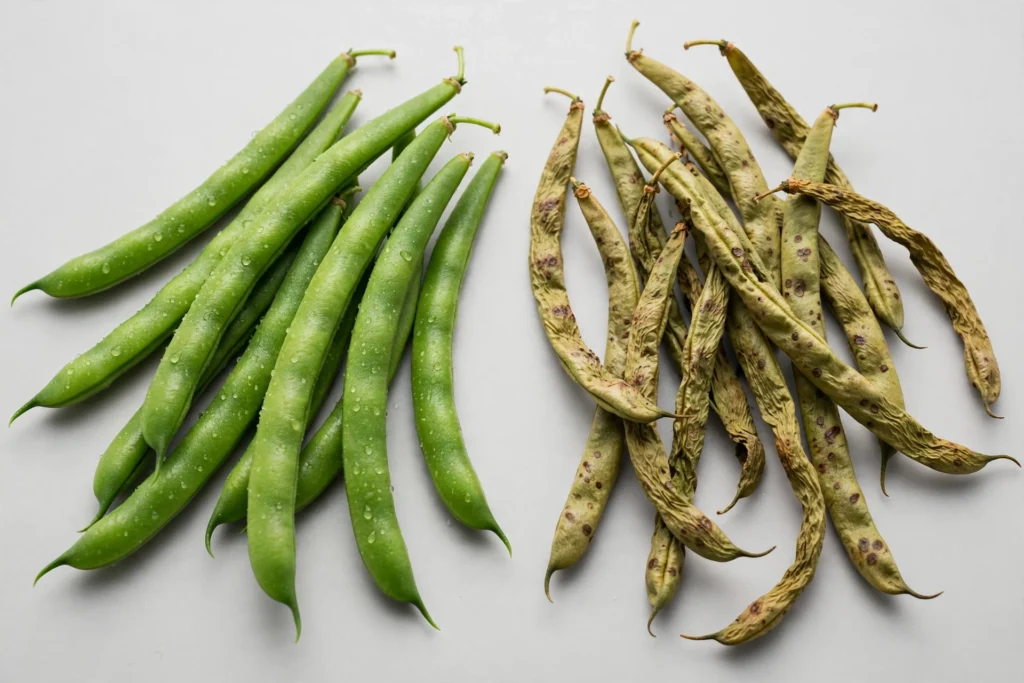
AI-generated illustration of green bean pods with contrasting surface appearances; appearance cannot confirm safety
Vegetables3 min read

How to Choose Fresh Green Beans: Snap, Color, and Size

Choose snap beans for the dish you plan to make: look for firm pods with an intact surface, then consider size and the variety's normal color. A crisp snap can help judge texture, but it does not prove a bean is safe or tell you its harvest date. Yellow wax beans and purple varieties are not defective green beans.

Read the guide
Vegetables2 min read

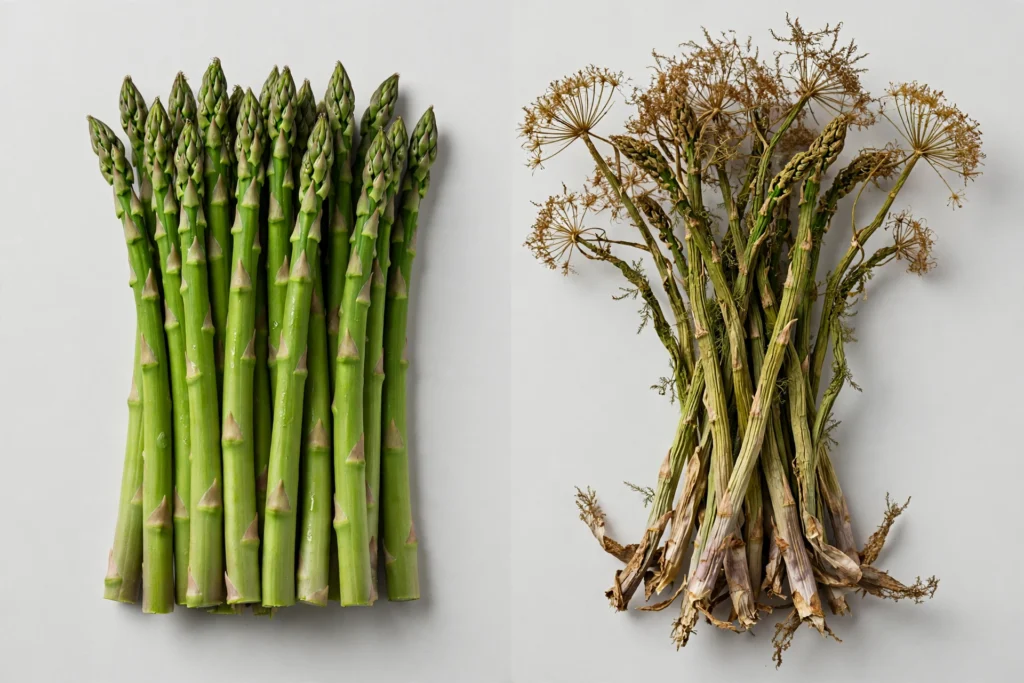
How to Choose Fresh Asparagus: Tips, Stalks, and Color

To choose fresh asparagus, look for tight, compact tips with no spreading or flowering, and firm, straight stalks with vibrant green color. The cut ends should look moist, not dried out or woody. Thinner stalks are more tender; thicker ones are meatier — pick by your cooking method, not by quality assumptions. AI-generated image • […]

Read the guide