fresh decoded.
Fresh Decoded guides

Fish & seafood

Buying fish and shellfish thoughtfully.

Fish & seafood2 min read

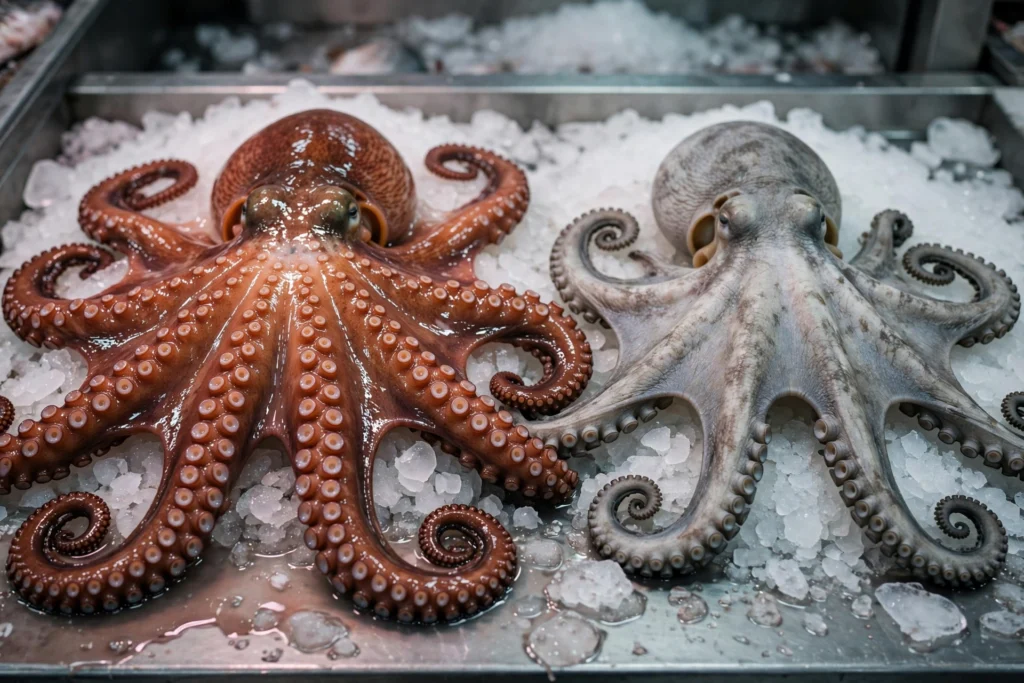
How to Choose Fresh Octopus: Color, Smell, and Texture

To choose fresh octopus, look for natural reddish-brown to purplish-gray skin with a moist sheen — the color should look alive, not faded or blotchy. It should smell clean like the sea, never fishy or sour. The flesh should feel firm and springy, and the suckers on the arms should look intact and well-defined. Buy […]

Read the guide
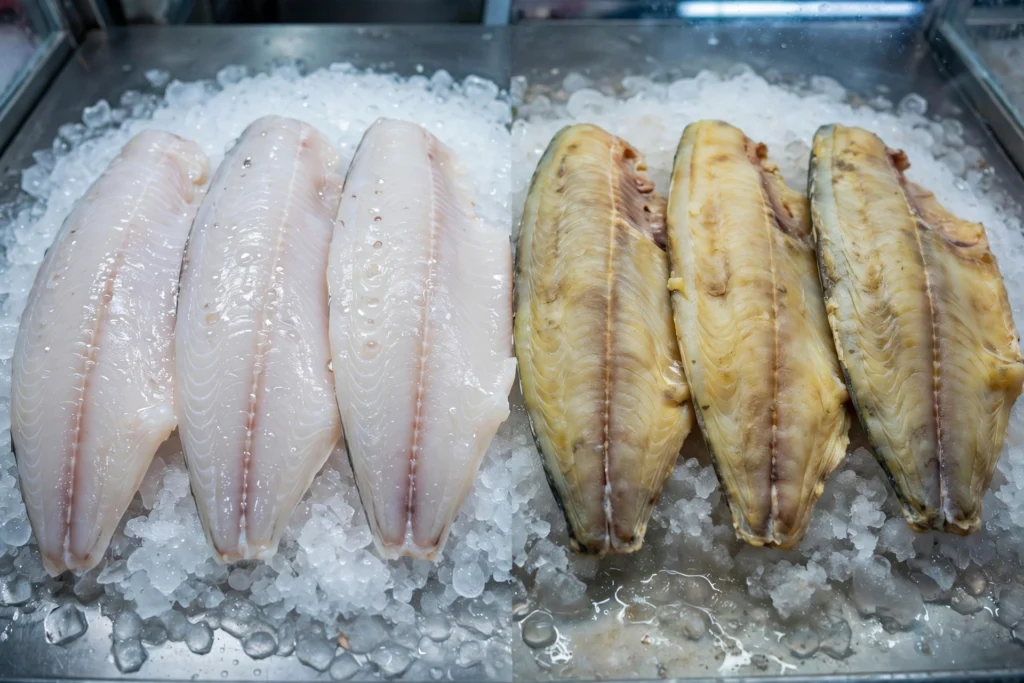
AI-generated illustration of tilapia fillets with contrasting surface appearances on ice; appearance cannot confirm safety
Fish & seafood3 min read

How to Choose Fresh Tilapia: Color, Smell, and Fillets

For tilapia fillets, check refrigeration, the package, and the product's handling instructions before judging color. Look for intact fillets without dried edges, but do not treat a pearly color or mild smell as proof of safety. FDA explicitly warns that fish color alone does not establish freshness.

Read the guide
Fish & seafood2 min read

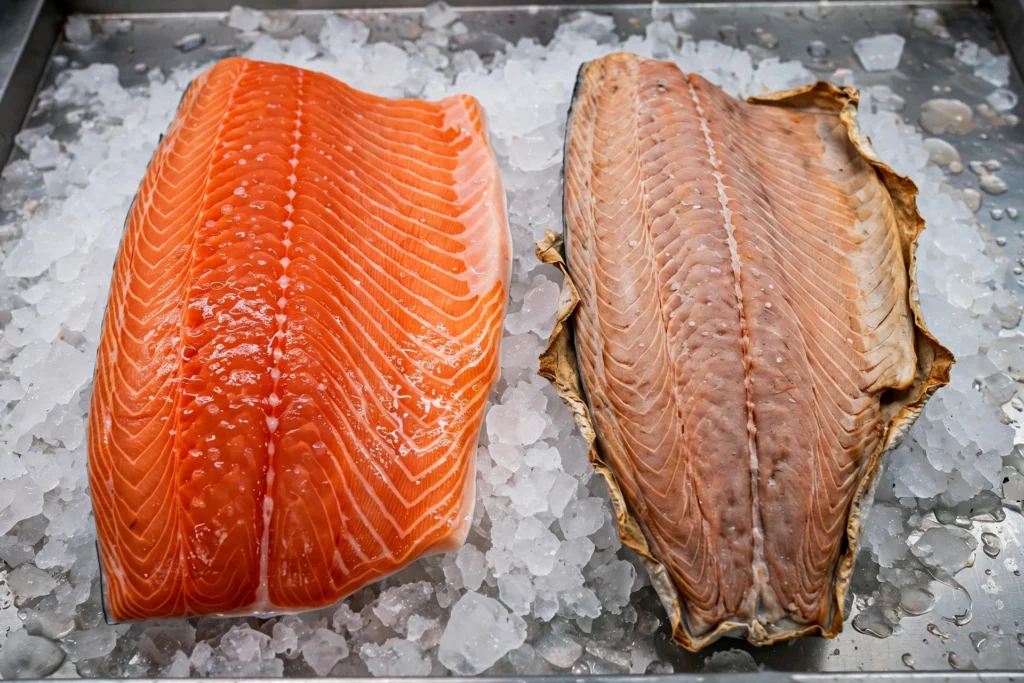
How to Choose Fresh Salmon: Color, Smell, and Firmness

To choose fresh salmon, look for vibrant, even color — rich orange-red for most varieties — with visible white marbling lines and a moist, almost glossy surface. It should smell clean like the ocean, never fishy or sour. Press the flesh gently: it should feel firm and spring back, not stay dented. For whole fish, […]

Read the guide
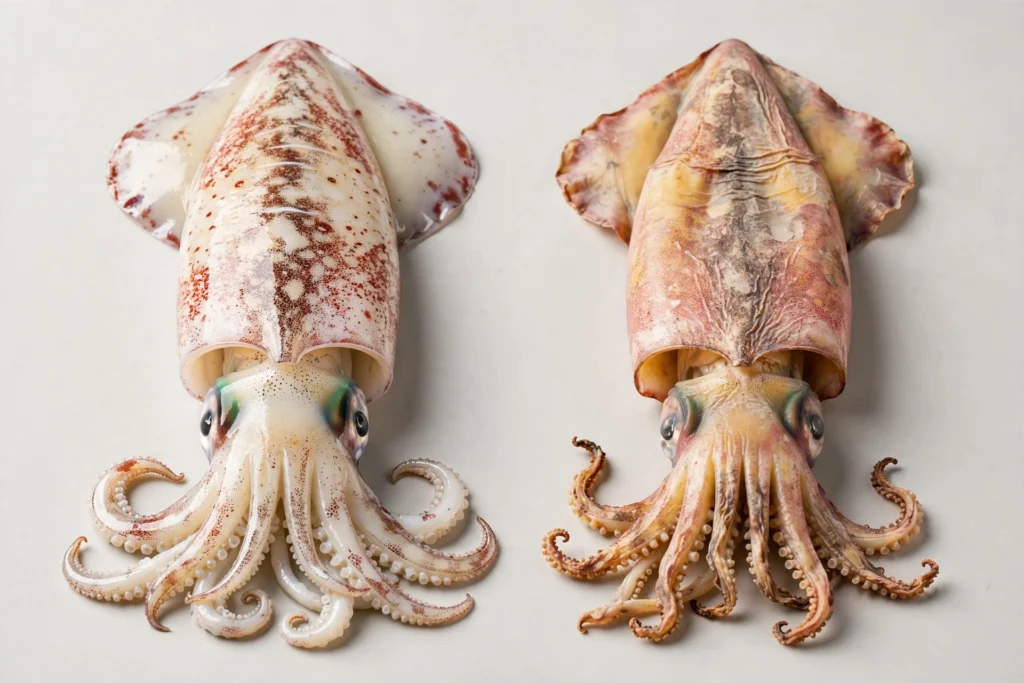
AI-generated illustration of squid with contrasting surface appearances; appearance cannot confirm safety
Fish & seafood3 min read

How to Choose Fresh Squid: Color, Smell, and Texture

When buying squid, establish how it has been kept cold and what form you are buying: whole, cleaned tubes, tentacles, or frozen pieces. Skin pigment is not a freshness certificate. A mild smell and an attractive appearance cannot prove that squid has been handled safely.

Read the guide
Fish & seafood2 min read

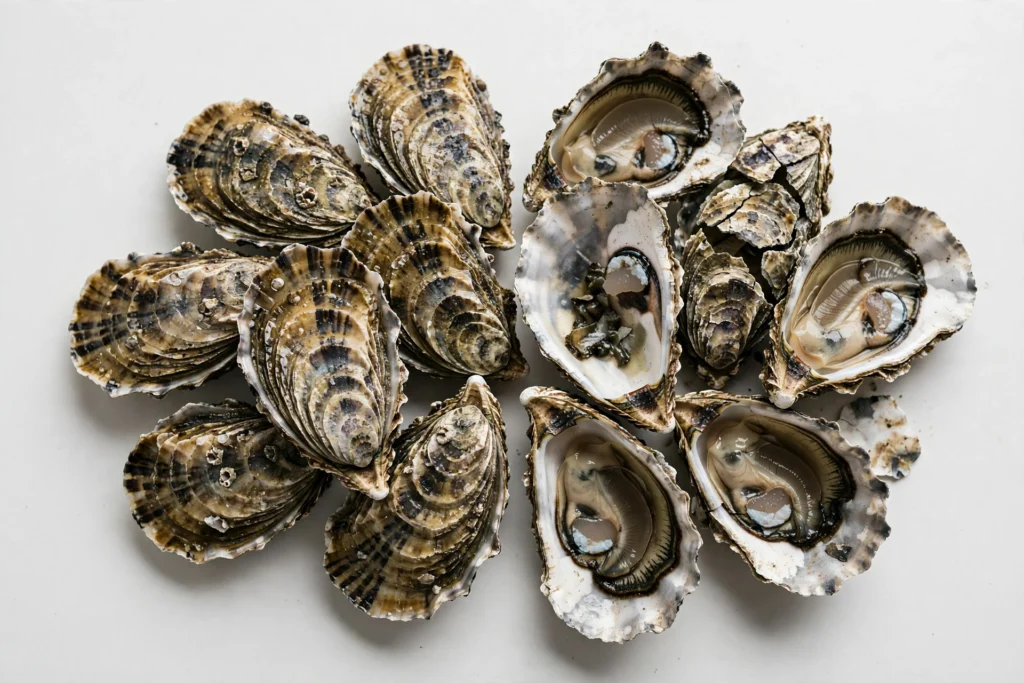
How to Buy Fresh Oysters: Shells, Smell, and Source

To buy fresh oysters, choose ones with tightly closed shells — or shells that close when tapped. They should smell clean like the ocean, never fishy or sulfurous. Buy from reputable fishmongers or restaurants with high turnover, and ask when they were harvested; fresher is always better with raw oysters. AI-generated image • Not a […]

Read the guide
Fish & seafood3 min read

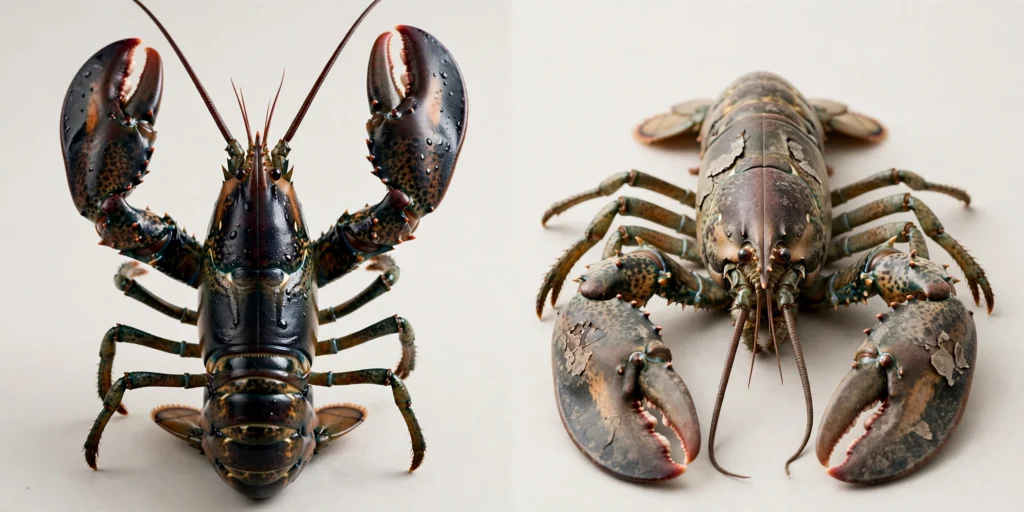
How to Choose Lobster: Live Checks, Weight, and Shell Signs

To choose a good lobster, buy it live and lively — the tail should curl strongly when handled, and the lobster should move its legs and claws. Pick one that feels heavy for its size with a hard, intact shell. Avoid limp lobsters, cracked shells, or any ammonia smell. AI-generated image • Not a tested […]

Read the guide
Fish & seafood3 min read

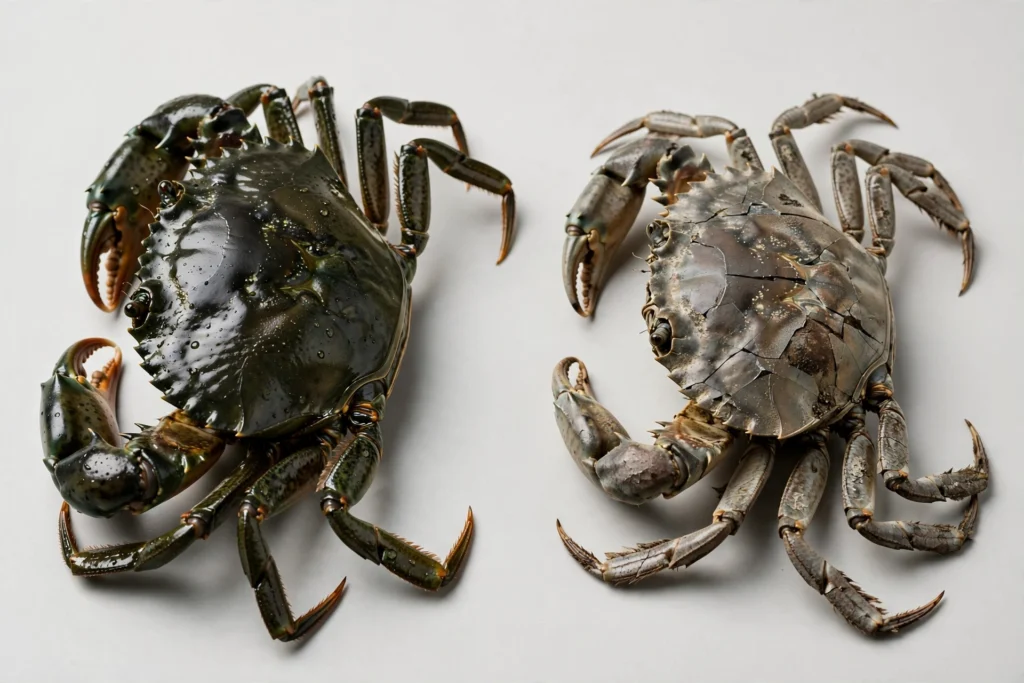
How to Choose Fresh Crab: Shell, Smell, and Weight

To choose fresh crab, buy live crabs that move actively with legs tucked in, or cooked crabs that feel heavy for their size with intact shells. Fresh crab smells clean and briny like the ocean — never fishy or ammonia-like. Whether live or cooked, avoid cracked shells leaking fluid, and always buy from refrigerated displays […]

Read the guide