fresh decoded.
Fresh Decoded guides

Fish & seafood

Buying fish and shellfish thoughtfully.

Fish & seafood4 min read

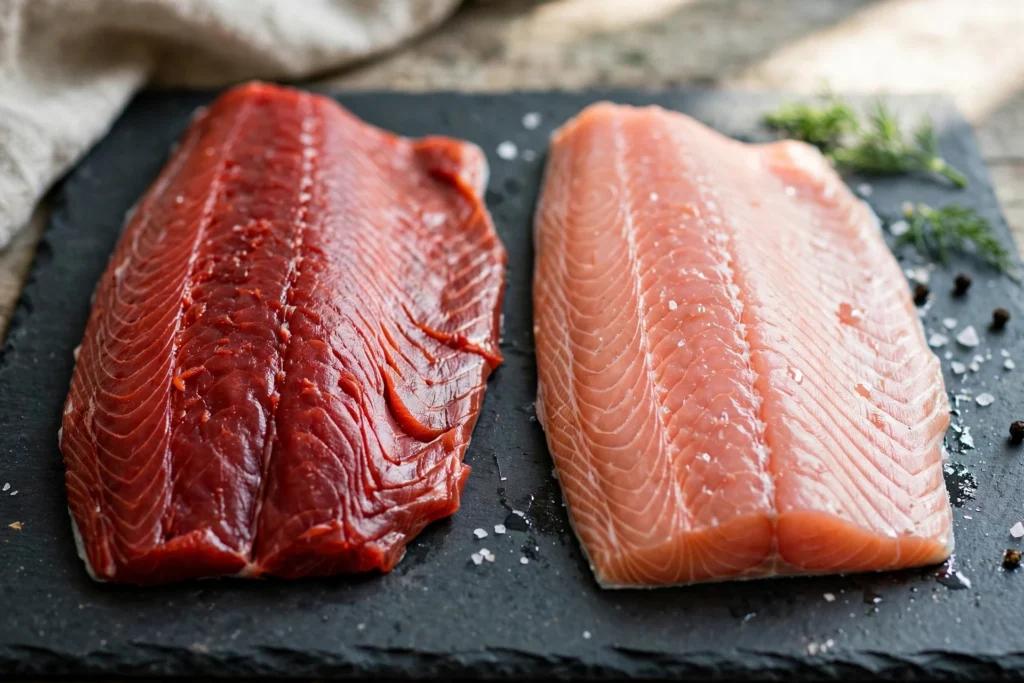
Farmed vs. Wild Salmon: What the Labels Tell You

Farmed and wild salmon differ in species, color, fat, price, and flavor, and the label tells you which you are getting if you know where to look. Wild salmon is usually a named Pacific species such as sockeye or king, with deeper color and leaner flesh, while farmed salmon is almost always Atlantic salmon, paler […]

Read the guide
Fish & seafood3 min read

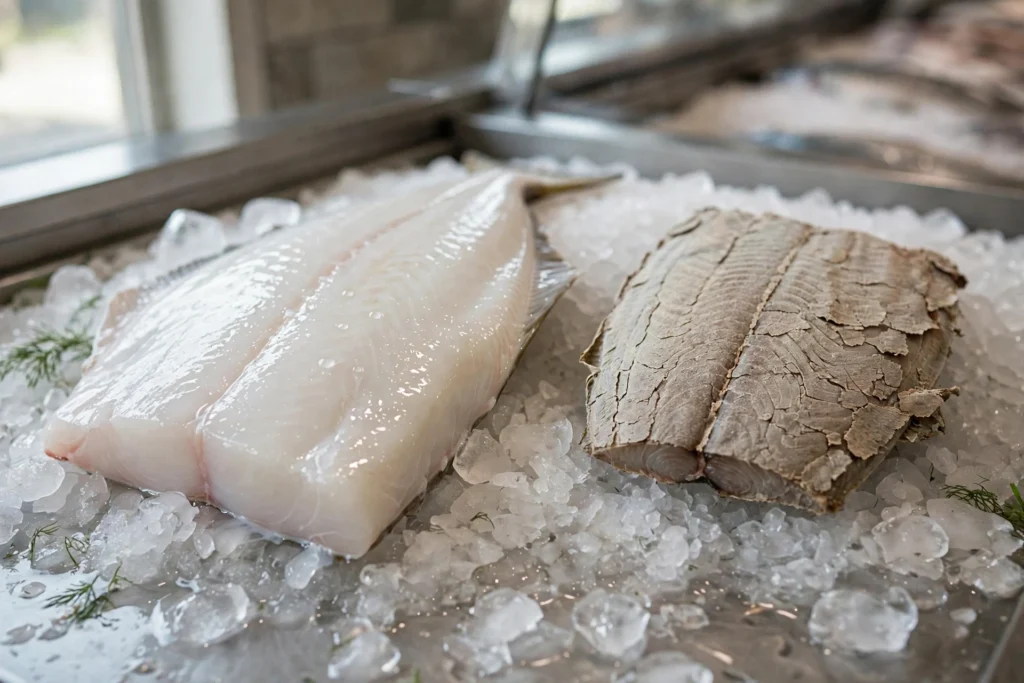
How to Choose Halibut

To choose good halibut, look for bright, glossy white flesh that looks moist and slightly translucent, with a clean, mild smell. The fillet should feel firm and spring back when pressed, with tight flakes and no gaping seams. Avoid pieces that look dull, yellowed, dry at the edges, or that smell sour or strongly fishy. […]

Read the guide
Fish & seafood4 min read

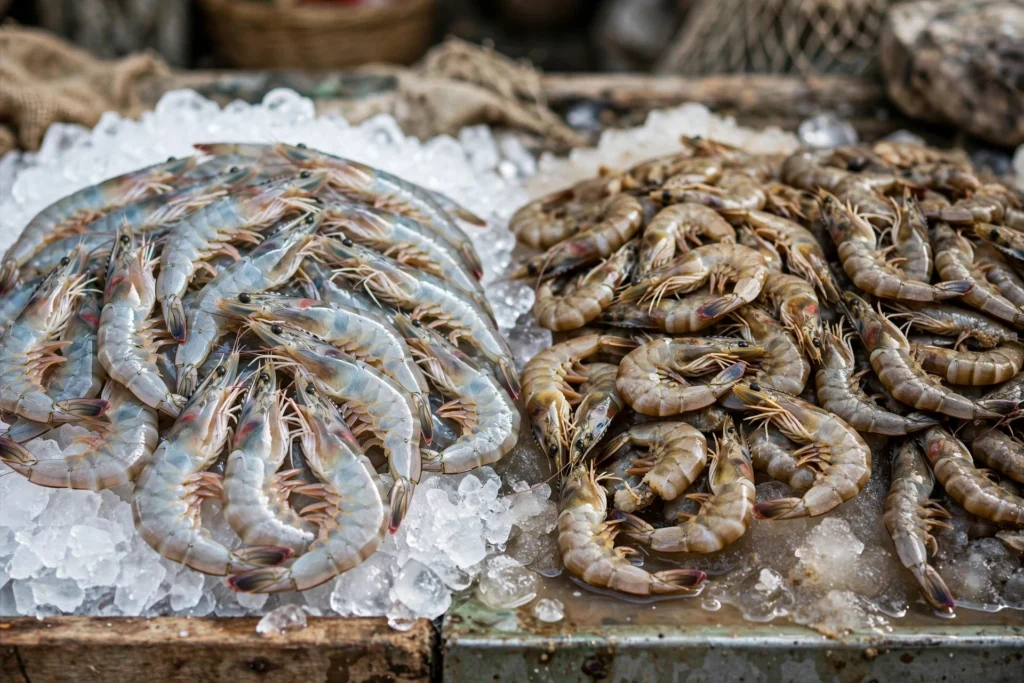
How to Choose Shrimp: Size, Color, and Freshness

To choose good shrimp, look for firm, translucent flesh with a mild, clean smell like seawater — never sour or ammonia-like. The shells should look moist and intact, the color should be even for the variety, and the shrimp should feel springy rather than soft or slimy. Whether you buy fresh or frozen, size counts, […]

Read the guide
Fish & seafood3 min read

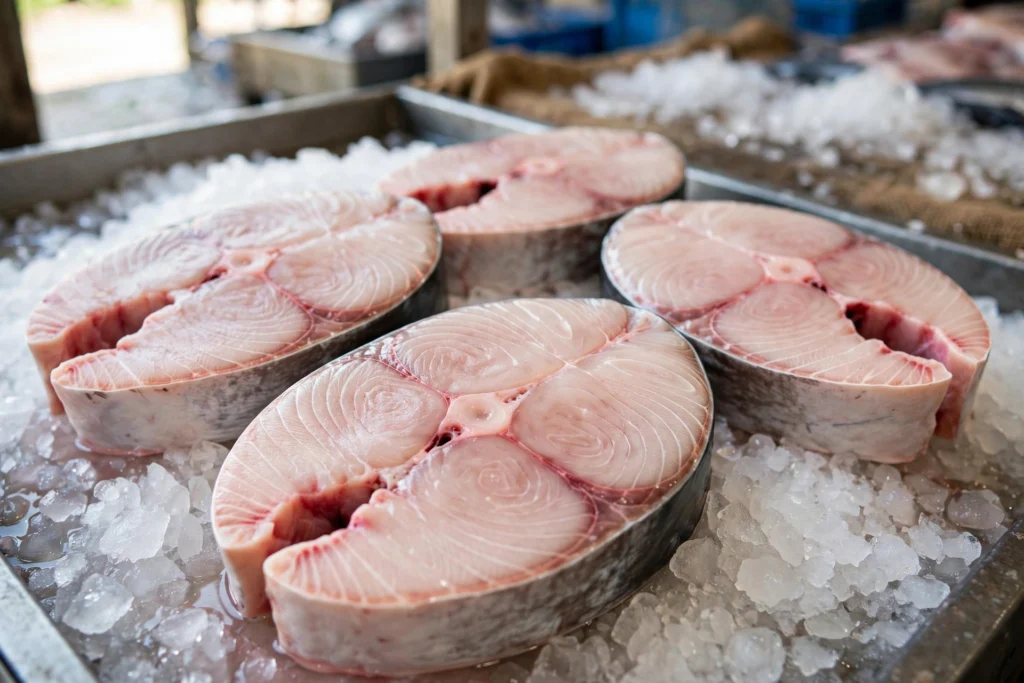
How to Choose Swordfish: Firm Steaks, Color, and Fresh Smell

To choose good swordfish, look for steaks that are firm, moist, and ivory-white to pale pink, with a clean, mild ocean smell. The flesh should feel dense and spring back when pressed, with no browning along the edges. Avoid steaks that look dull or dry, feel soft, show brown discoloration, or smell strongly fishy or […]

Read the guide
Fish & seafood3 min read

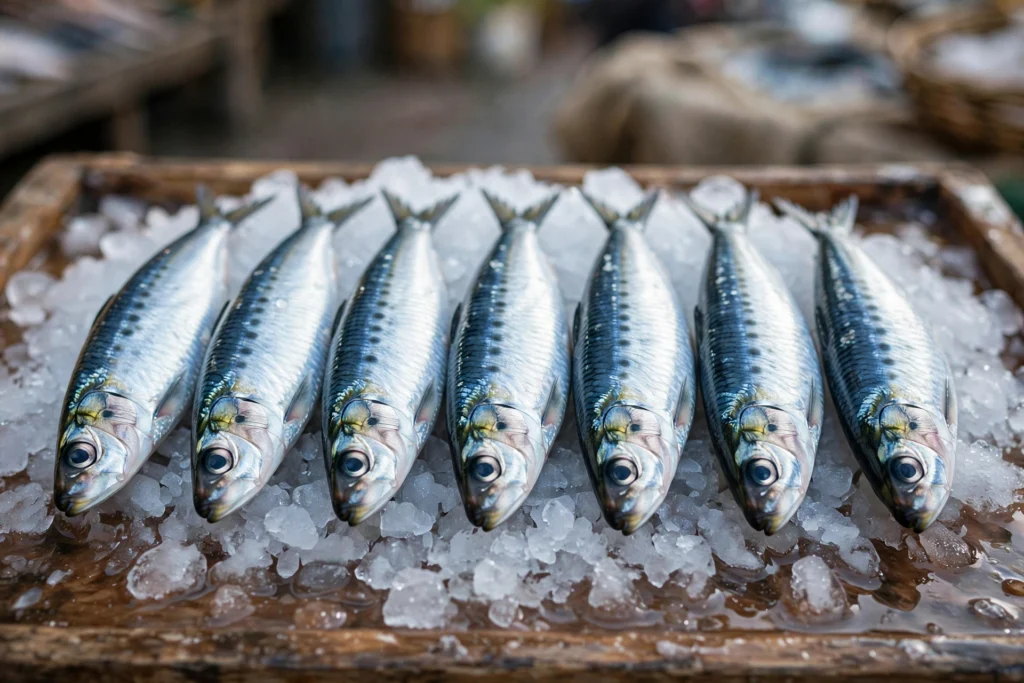
How to Choose Sardines: Shine, Firmness, and Clear Eyes

To choose fresh sardines, look for bright, silvery skin with an almost metallic shine and bodies that feel firm and springy. The eyes should be clear and bulging, the gills bright red, and the smell clean and briny — never strongly fishy. Fresh sardines hold together well and their scales stay attached. Avoid fish with […]

Read the guide
Fish & seafood3 min read

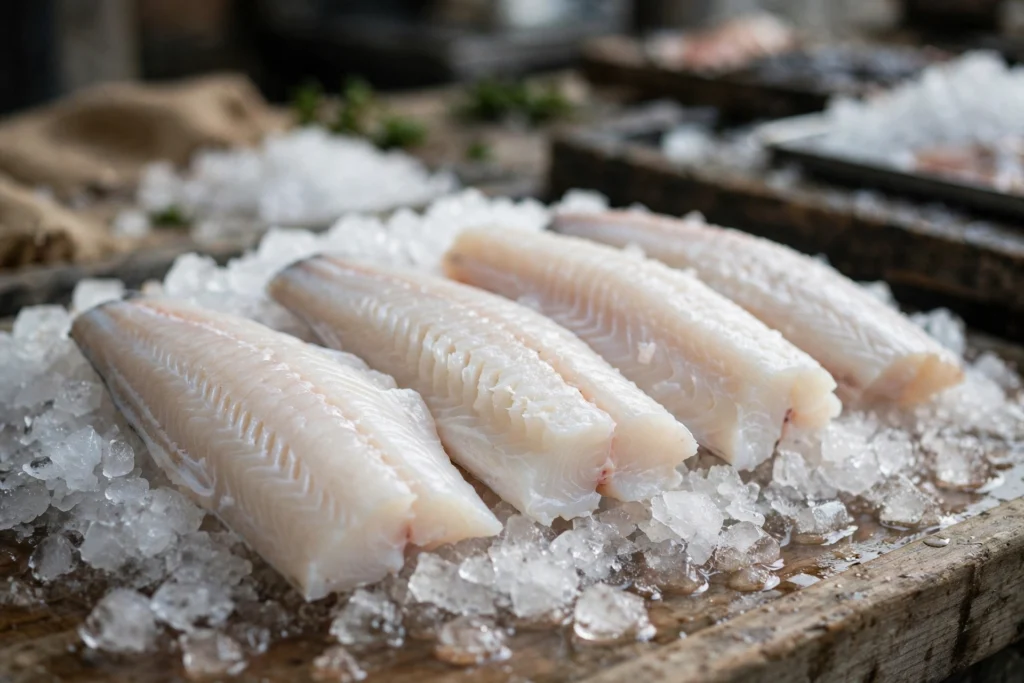
How to Choose Cod: Firm Fillets, Clear Eyes, and Fresh Smell

To choose fresh cod, look for fillets that are firm, moist, and slightly translucent with a clean white to ivory color. They should smell mildly of the ocean — fresh cod has almost no “fishy” odor. The flesh should spring back when pressed and show no gaps or separation in the flakes. Avoid fillets that […]

Read the guide
Fish & seafood3 min read

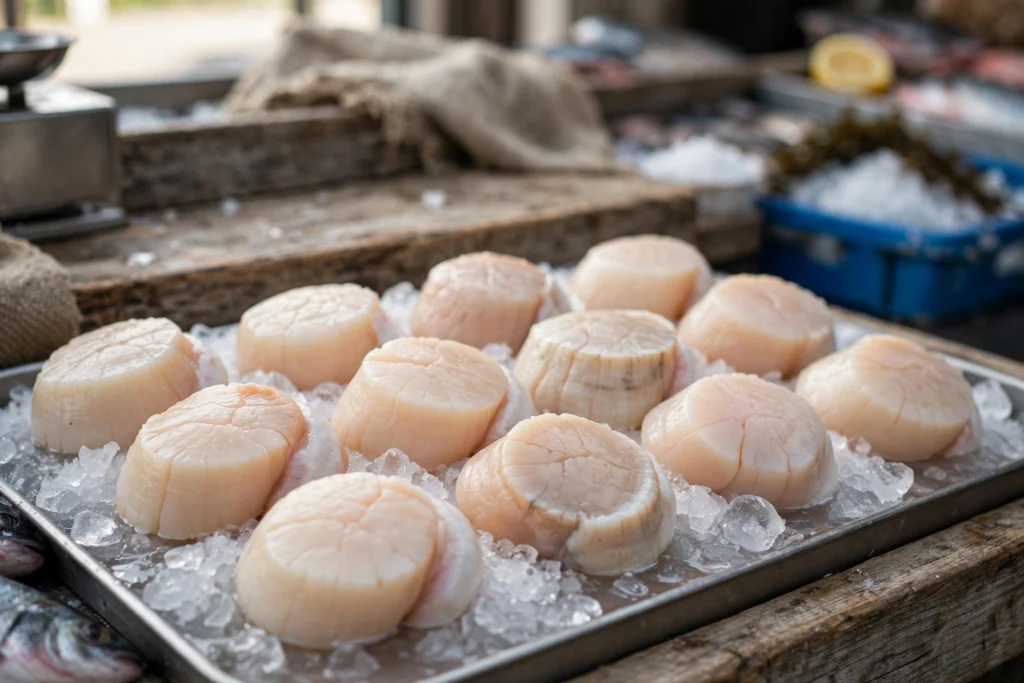
How to Choose Scallops: Dry vs. Wet, Color, and Smell

To choose good scallops, ask for “dry” scallops — cream to pale beige in color with a natural, slightly varied tone. They should smell sweet and briny like the ocean, never fishy or sharp. The flesh should look firm and feel springy, not mushy. Avoid stark white, uniformly perfect scallops sitting in milky liquid — […]

Read the guide
Fish & seafood3 min read

How to Choose Mahi-Mahi: Smell, Color, and Firmness

To choose fresh mahi-mahi, trust your nose first: it should smell mild and sweet like the ocean, never strongly fishy or sour. The flesh should look moist and slightly translucent — typically pinkish-white to light beige — with no browning or drying around the edges. Press a fillet gently; fresh flesh feels firm and springs […]

Read the guide
Fish & seafood4 min read

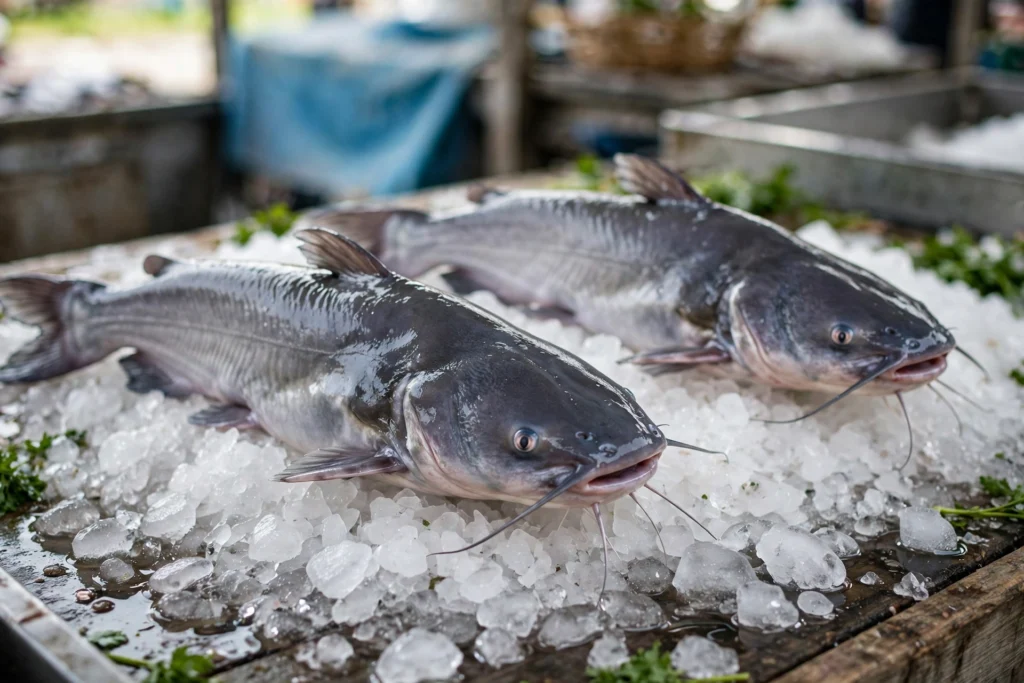
How to Choose Catfish: Eyes, Gills, Smell, and Flesh

Fresh catfish — whole or fillet — should smell mild and clean, never strongly fishy or muddy-sour. For whole fish, look for clear, slightly bulging eyes, bright red gills, and firm flesh that springs back when pressed. For fillets, choose firm, moist pieces with no discoloration or drying around the edges. Whether farmed or wild, […]

Read the guide
Fish & seafood3 min read

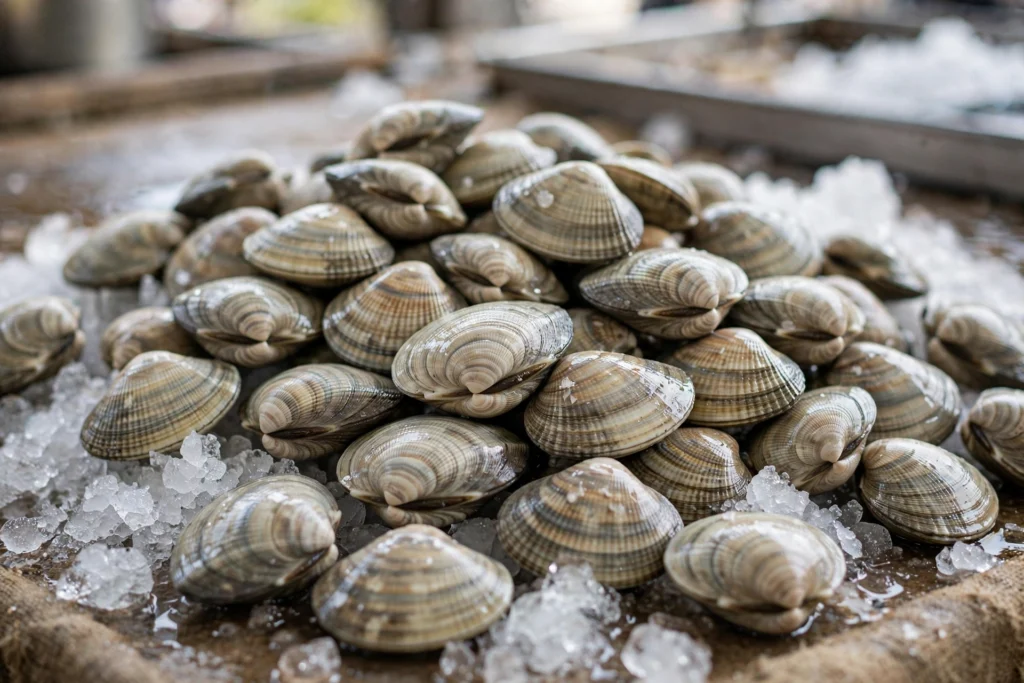
How to Choose Clams: Shells, Smell, and Size

Fresh clams should be alive at purchase, with shells that are closed or that close when tapped. They should smell clean and mildly briny — never strongly fishy or sour. Look for intact shells with no cracks, and pick the size that matches your recipe: littlenecks for eating whole, cherrystones for grilling, and larger chowder […]

Read the guide