fresh decoded.
Fresh Decoded guides

Storage

Fridge organization and food handling.

Storage4 min read

How to Thaw Frozen Food Safely

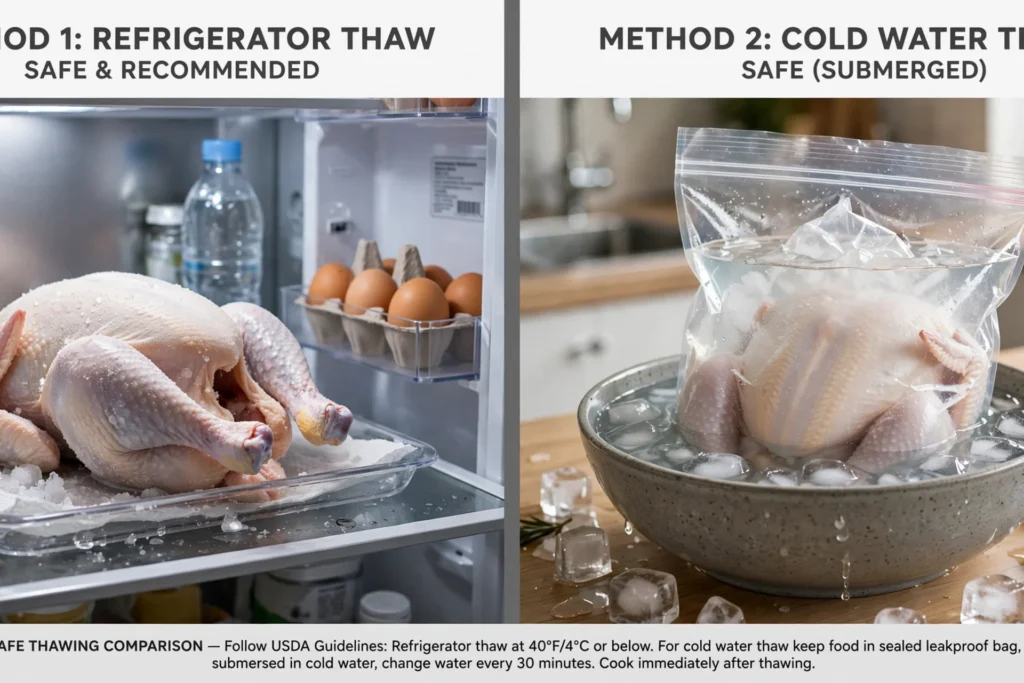
There are three safe ways to thaw frozen food: in the refrigerator, in cold water, or in the microwave — and thawing on the kitchen counter is not one of them. Fridge thawing is easiest and safest: move food from freezer to fridge (at or below 40°F / 4°C) and allow roughly 24 hours for […]

Read the guide
Storage4 min read

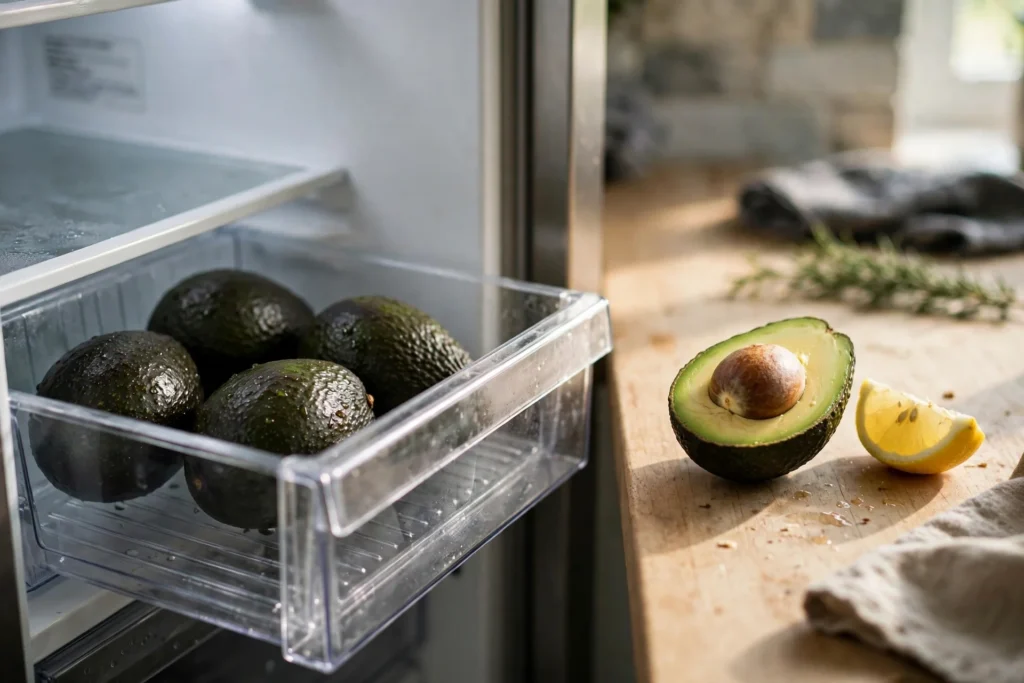
How to Store Avocados: Whole, Cut, and Ripe

Ripen whole avocados on the counter, then refrigerate them once ripe to buy three to five extra days. A ripe avocado gives slightly to gentle palm pressure; at that point the fridge slows it without hurting texture much. For a cut avocado, leave the pit in the half you are saving, brush the flesh with […]

Read the guide
Storage3 min read

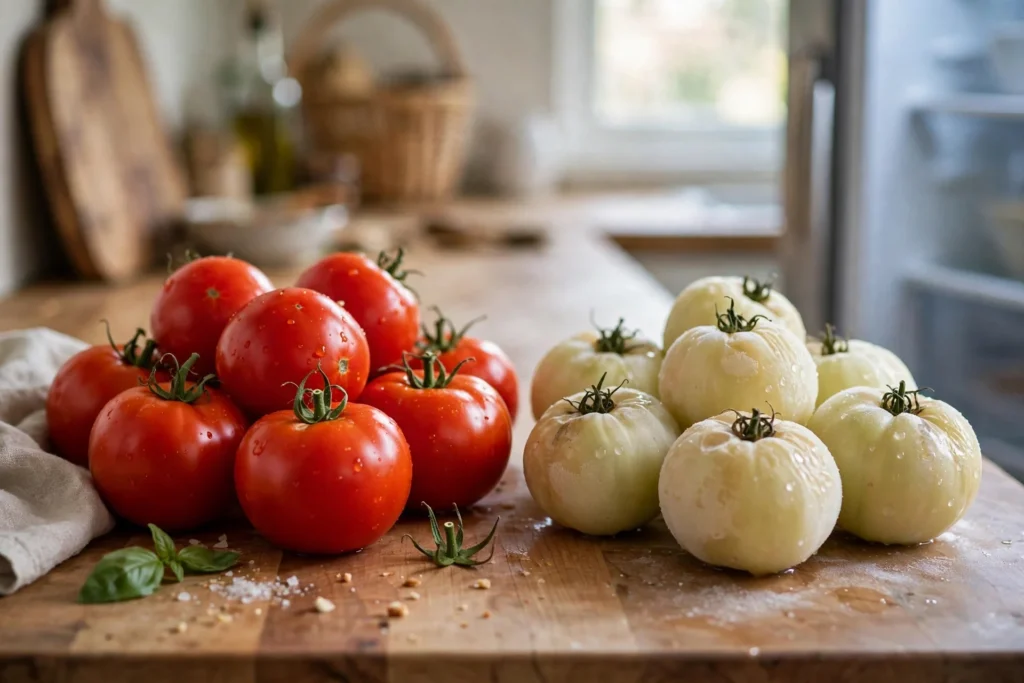
How to Store Tomatoes (and Why the Fridge Isn’t Always Right)

Keep ripe tomatoes on the counter, stem-side down, out of direct sunlight, and eat them within a few days — refrigeration below about 55°F (13°C) dulls their flavor and makes the flesh mealy, which is why the fridge is not always right for tomatoes. The exceptions: very ripe tomatoes you cannot eat yet, and any […]

Read the guide
Storage3 min read

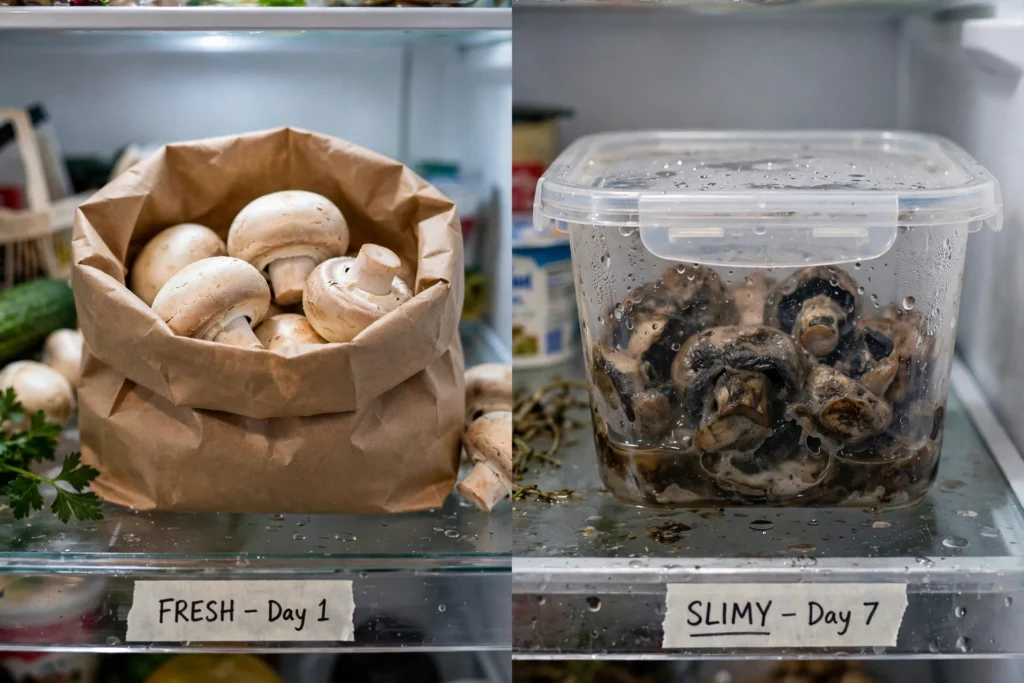
How to Store Mushrooms

Store mushrooms unwashed in a paper bag in the main body of the fridge, where they can breathe and stay dry. Paper absorbs excess moisture and slows the sliminess that plastic wrap causes — mushrooms sealed in plastic sweat and deteriorate within a couple of days. Kept dry and cold at or below 40°F (4°C), […]

Read the guide
Storage3 min read

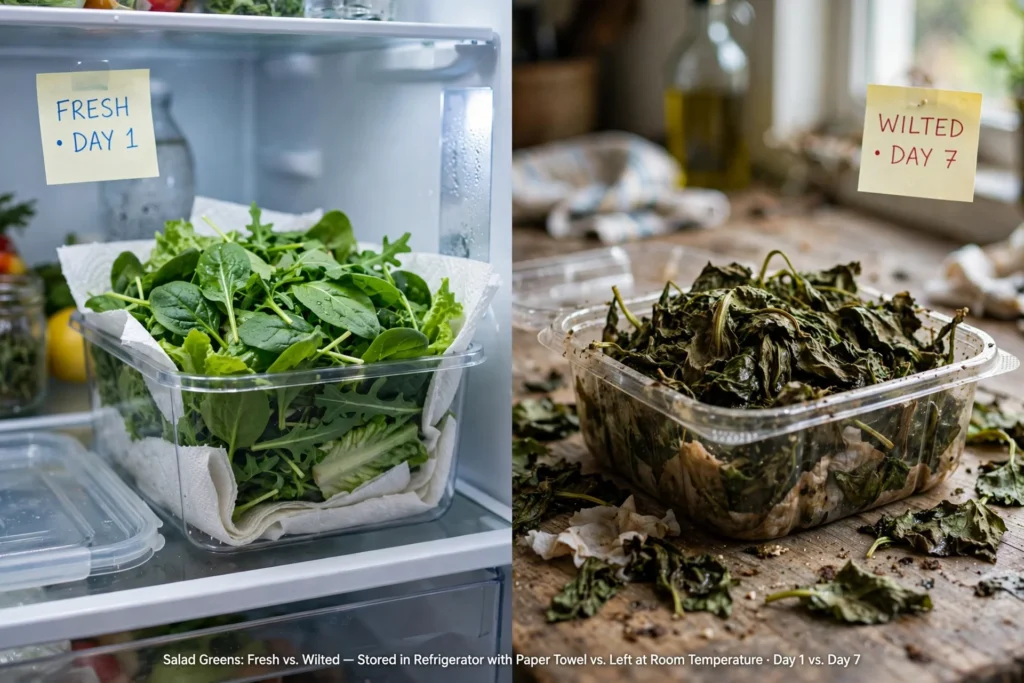
How to Store Salad Greens

To keep salad greens crisp, wash them, dry them thoroughly — a salad spinner earns its keep here — then refrigerate them loosely layered with dry paper towels in a container or bag at or below 40°F (4°C). Excess water is what turns greens slimy, so the drier they go in, the longer they last: […]

Read the guide
Storage3 min read

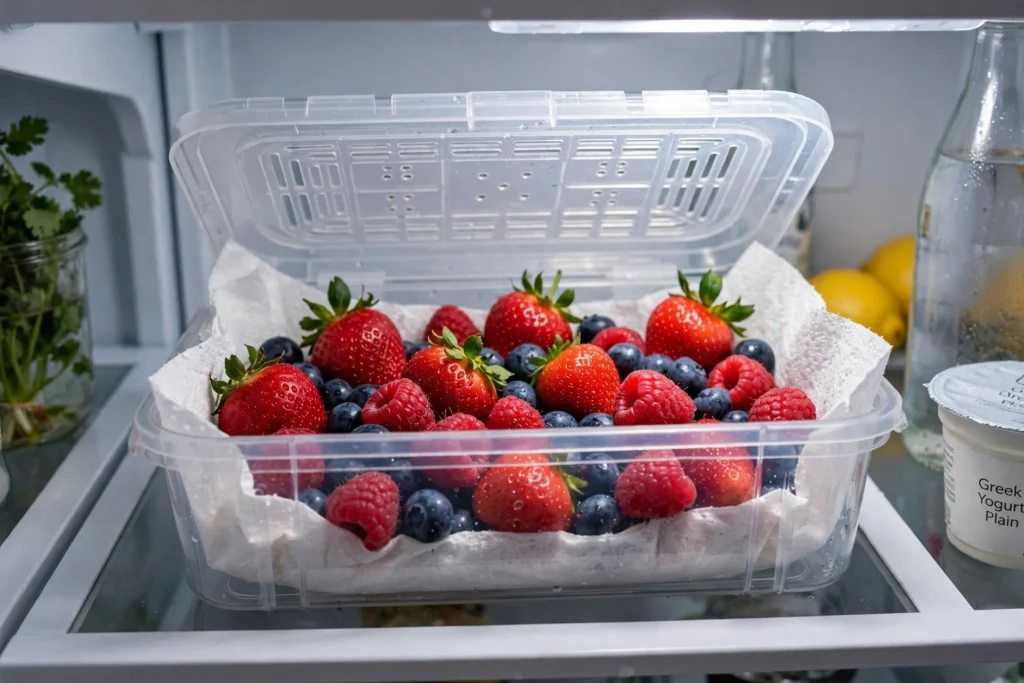
How to Store Berries So They Last Longer

To make berries last longer, refrigerate them unwashed in a ventilated container lined with a dry paper towel, and remove any moldy or crushed berries before storing — one moldy berry spreads quickly to its neighbors. Keep the fridge at or below 40°F (4°C), avoid sealing warm berries in an airtight box, and wash berries […]

Read the guide
Storage3 min read

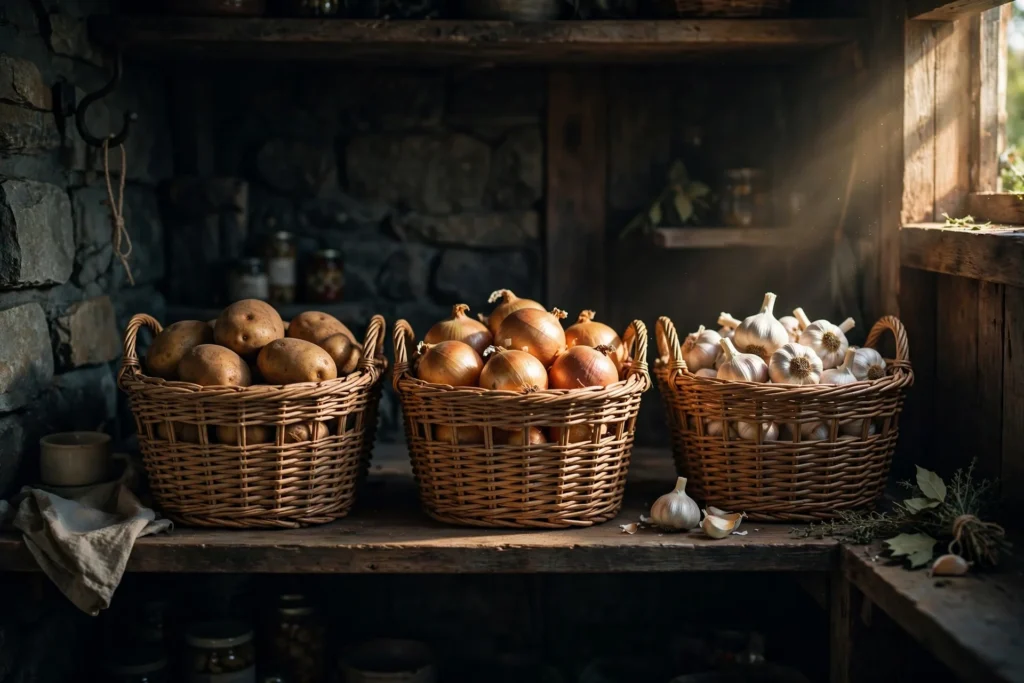
How to Store Potatoes, Onions, and Garlic

Store potatoes, onions, and garlic in a cool, dark, well-ventilated place — a pantry, cupboard, or cellar around 45–55°F (7–13°C) is ideal for potatoes — but keep potatoes and onions in separate bins. Onions release gases and moisture that make potatoes sprout and soften faster, while potatoes can make onions spoil sooner. Keep garlic dry […]

Read the guide
Storage4 min read

How to Store Eggs (and How Long They Last)

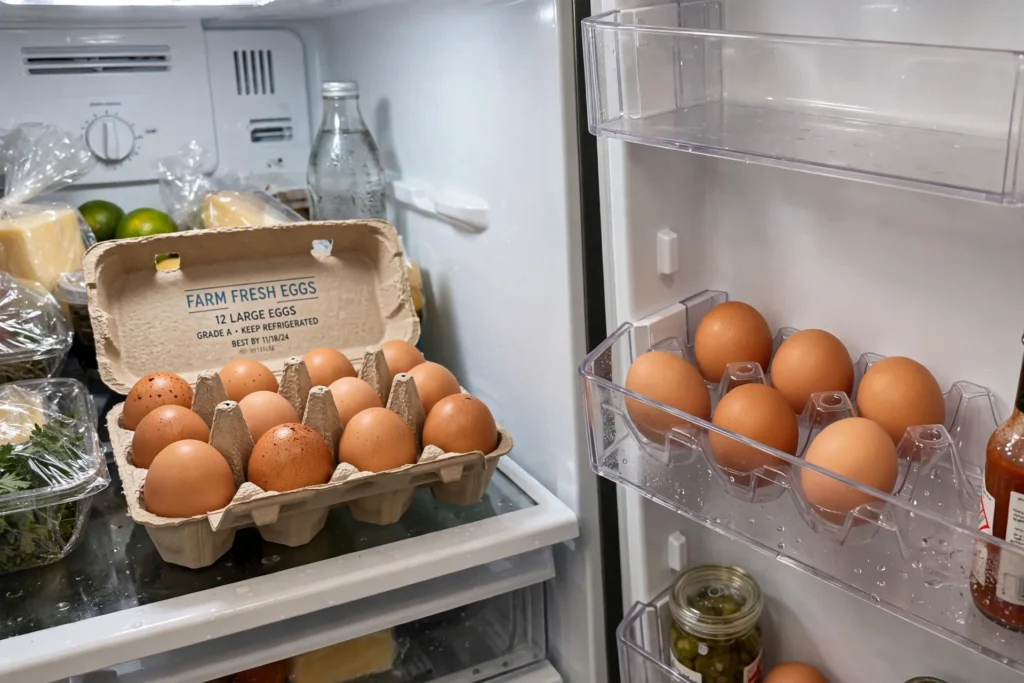
Store eggs in their original carton, in the main body of the fridge — not the door — at or below 40°F (4°C). Kept that way, shell eggs typically keep for three to five weeks from packing, often a week or two past the date on the carton if they have stayed cold. The carton […]

Read the guide
Storage4 min read

How to Store Cheese: Wrap It Right, Keep It Tasty

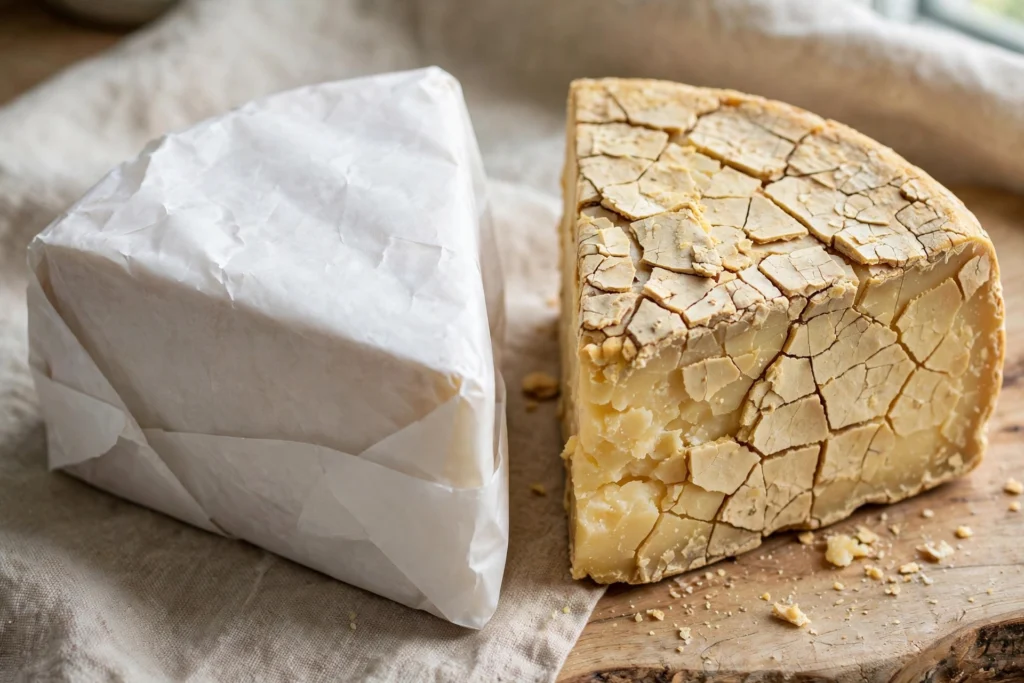
To store cheese well, wrap it so it can breathe but not dry out: wax paper or parchment first, then a loose outer layer of foil or a container. Refrigerate promptly and keep cheese in the vegetable drawer or a dedicated spot away from strong-smelling foods. Let cheese come to room temperature for 20–30 minutes […]

Read the guide
Storage4 min read

How to Store Bread: Keep Every Loaf Fresh Longer

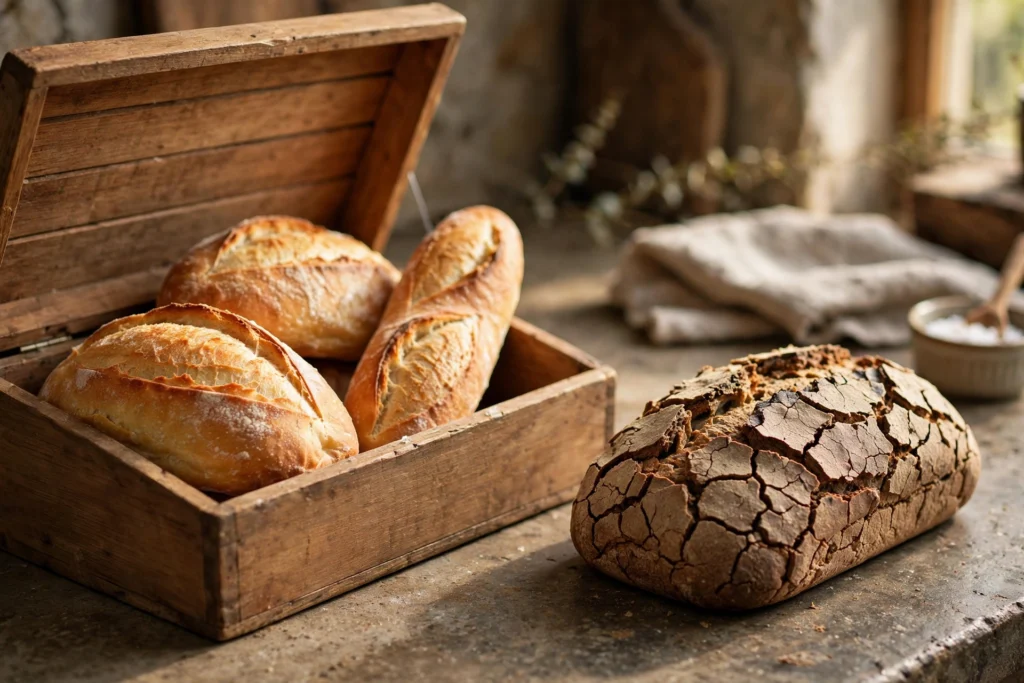
To store bread well, match the method to the timeline: keep daily bread at room temperature in a bread box or paper bag, and freeze anything you will not eat within two to three days. For ordinary unfilled bread, freezing is a useful way to keep extra portions; follow refrigeration instructions on packaged products or […]

Read the guide