
To shop in bulk wisely, start with foods you already use up quickly — rice, oats, cooking oil, and toilet paper are safer bets than a gallon of something you have never tried. Always compare the unit price (price per ounce or per pound) rather than the package price, because bigger is not always cheaper. Check the expiration or best-by date before loading up, and make sure you have storage space at home. Avoid bulk perishables you cannot finish in time, no matter how good the deal looks.
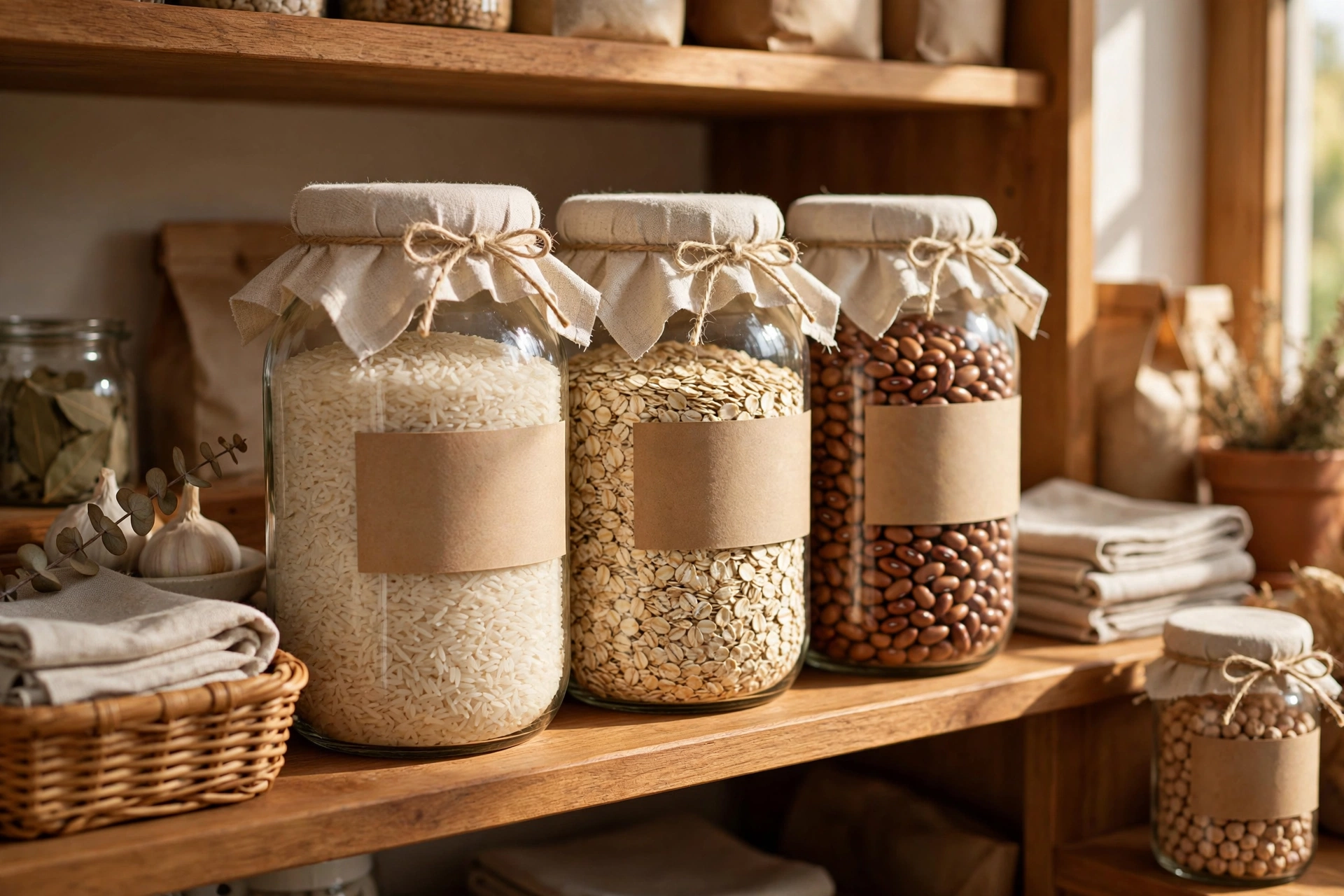
Prefer
- Staples you already use up quickly
- Lower unit price than the smaller size
- Dates far enough out to finish the package
- Enough storage space at home
- Bulk bins with high turnover (fresher stock)
Avoid / check more closely
- Perishables you cannot finish before they spoil
- “Deals” with a higher unit price than small packs
- New products you have never tried
- Short dates on large quantities
- Buying more than you can store properly
The unit price is the real price
Shelf tags usually show a unit price — the cost per ounce, pound, or quart — in small print. That number is the only fair way to compare sizes. A giant jar can cost more per ounce than two small ones, especially when the small size is on sale. Do the math on the spot: divide the price by the number of units. Phone calculators make this quick. Also compare across brands, not just sizes — a store brand in a medium size often beats a name brand in bulk. Sales rotate, so a bulk buy that wins this week might lose next week.
What to buy in bulk (and what not to)
Good bulk candidates are shelf-stable staples with long lives: rice, dried beans, pasta, oats, flour, sugar, canned goods, and cooking oil. Paper goods and cleaning supplies are also safe. Be cautious with perishables: a huge pack of berries or a gallon of milk only saves money if you genuinely finish it. Spices are a classic trap — a giant tub seems cheap per ounce, but ground spices lose flavor within months, so you may throw most of it away. Buy bulk spices only if you cook with them constantly.
Bulk bins: fresh or risky?
Bulk bins can offer great prices on grains, nuts, and dried fruit, but freshness varies. Choose bins in busy stores with high turnover — the stock moves faster and tastes fresher. Look for bins that are clean, covered, and labeled with the product name. Avoid bins with stale smells, moisture, or mixed-in debris. Bring or use the provided scoops, never your hands. At home, transfer bin purchases to airtight containers right away and label them with the date, since they lack the packaging dates of sealed products.
Storing bulk buys at home
A bulk deal only pays off if the food stays good until you use it. Invest in airtight containers, jars, and a marker for dates. Keep grains and flours cool and dry; in warm climates, the freezer protects against pantry moths. Divide giant packages into smaller portions so you are not opening the whole supply every day. First in, first out: put new purchases behind older ones. If you consistently throw away the tail end of bulk buys, that item is not actually saving you money — buy it smaller next time.
Common questions
Is buying in bulk always cheaper?
No. Compare unit prices every time — sales, store brands, and smaller sizes often win. Bulk saves the most on staples you use steadily and store well.
How do I keep bulk bin foods fresh?
Transfer them to airtight containers immediately, label with the purchase date, and store cool and dry. Most bin items keep two to three months at best.
What is the biggest bulk-buying mistake?
Buying perishables or unfamiliar products in huge quantities. If it spoils before you finish it, the “savings” were actually a loss.
References
U.S. Food and Drug Administration — Food Labeling & Nutrition. Reference for comparing packaged food value via labels and unit pricing.
Prepared October 13, 2026 with AI assistance. Cited sources do not endorse the entire article.